Follow Us for Free:


About the episode
“We push through, but sometimes we push too hard, too long, too often.” – Candice Guardino
It’s so easy for painful periods to become part of a family story. Your mother had them, your aunts had them, your great-grandmother had them. Throughout, everyone learned to keep going, show up for work, take care of the family, and not make too much of it. While we should be proud of that strength, normalizing pushing through the pain makes it much harder to recognize when pain is not normal and when a different level of care is what’s needed.
The same family dynamics tend to come back into play with fertility treatment. The questions, opinions, encouragement, and advice probably come from a loving place, but they add pressure to an already exhausting process. As women’s health practitioners, we have to consider what our clients are navigating outside our treatment rooms. Are their symptoms being minimized at home? Do they feel like they can ask for help? Are they avoiding family because they don’t want to explain another unsuccessful IVF cycle? Having these conversations with our patients and clients can help us better understand the support she actually needs.
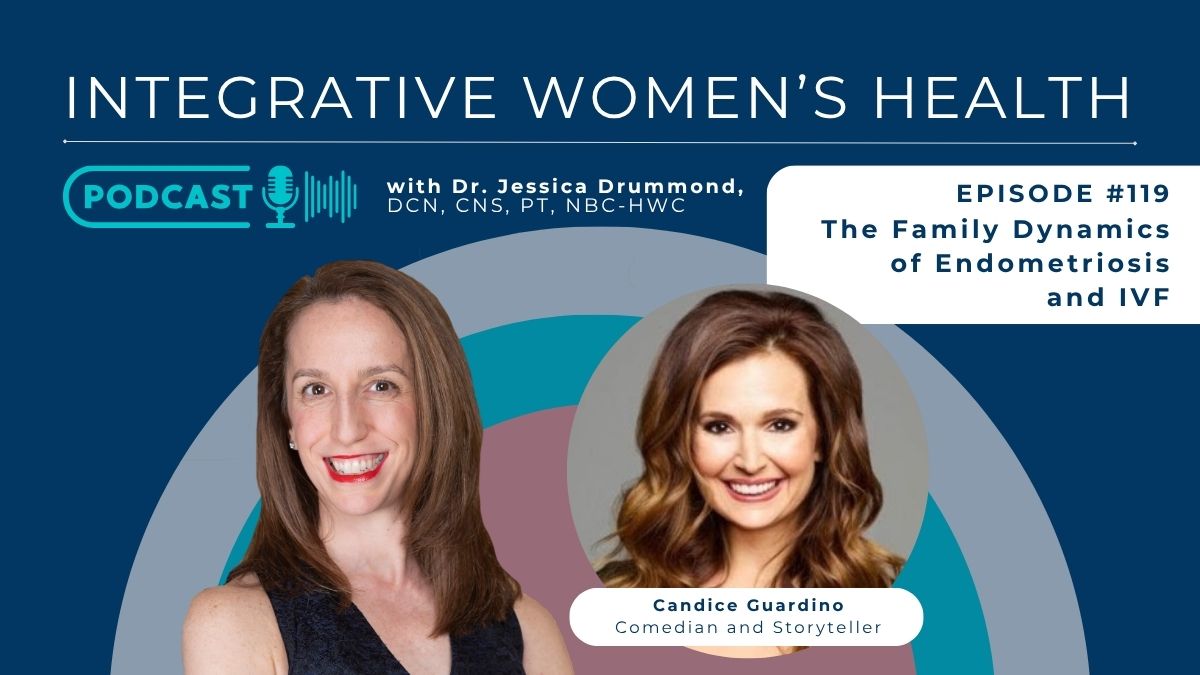
In today’s episode, I’m joined by author, actor, and comedian Candice Guardino to talk about the family and cultural dynamics that shaped her experiences with endometriosis and infertility. Candice shares how years of painful periods were normalized, what it was like to continue performing through chronic pain and IVF treatment, why receiving an endometriosis diagnosis changed the way she understood her body, managing miscarriage, the emotional and financial strain of fertility treatment, finding a more individualized approach to IVF, how practitioners can help women feel less alone, and more.
Enjoy the episode, and let’s innovate and integrate together!
Join Dr. Jessica Drummond to learn proven strategies to confidently address perimenopause, menopause, and chronic conditions while growing a profitable and impactful practice.
Discover proven strategies to attract high-value clients, deliver transformational results, and position yourself as a sought-after expert in this rapidly growing field.
Highlights
- Early endometriosis symptoms and why severe pain was normalized for years
- How birth control helped with symptom management but didn’t address the underlying cause
- What it was like performing professionally while navigating chronic pain and IVF treatment
- How endometriosis and chronic pain can disrupt women’s careers
- The breaking point that led to Candice’s surgery and a stage three endometriosis diagnosis
- How family culture can shape what women accept as a “normal” level of pain
- How Candice’s diagnosis affected her family and the challenges of navigating infertility
- Candice’s journey toward fertility after surgery
- The practices Candice uses to manage stress and support herself while living with endometriosis
Connect with Candice Guardino
- Candice Guardino’s Website | CandiceGuardino.com
- Candice Guardino on Instagram @CandiceGuardino
- Candice Guardino’s Substack @CandiceGuardino
About Candice Guardino
Candice Guardino is a Brooklyn born gal and raised in a loud, loving Italian family on Staten Island, Candice Guardino turned her unique upbringing into her hit theatrical comedy, Italian Bred, which premiered on Amazon Prime & Apple TV in February 2026! Based on her true-life events, the show follows Candice as she slips in and out of multiple characters—including her unforgettable grandmother—taking audiences on a hilarious musical journey through her childhood.
Candice Guardino is making waves in entertainment with her sharp writing, powerhouse vocals, and deeply relatable storytelling that resonates with audiences nationwide. As the host of the podcasts Italian Bred: At The Table and Don’t Start!, she continues to grow a loyal and engaged fan base.
Her upcoming comedic essay collection, Confessions of an Italian Bred Girl, is set to debut in 2027, further expanding her voice across platforms. Candice is also a contributor to HuffPost, where her personal essays—centered on fertility struggles and her diagnosis with endometriosis—have connected with readers on a deeply personal level. She also writes a monthly Substack, Candice’s Confessions, where she shares raw, humorous, and heartfelt stories on family, identity, and the chaos of everyday life—delivered with her signature Italian Bred flair.
A graduate of Wagner College’s Musical Theatre program, Candice trained at The Second City and Upright Citizens Brigade. She has performed regionally, toured nationally, and written for film and television, with credits including projects for Pure Flix and Sony Pictures. Catch Candice LIVE in a city near you! When she’s not touring, she splits her time between Los Angeles and New York City with her husband Tom, their new baby Maverick, and their feisty pup, Cannoli.
Learn more about The Integrative Women’s Health Institute’s Programs
Ready to revolutionize your career and grow your practice?
- Integrative Women’s Health Institute on Instagram | @integrativewomenshealth
- Integrative Women’s Health Institute on YouTube
Click here for a full transcript of the episode.
Dr. Jessica Drummond 00:00:03 Hi and welcome to the Integrative Women’s Health Podcast. I’m your host, Doctor Jessica Drummond, and I am so thrilled to have you here. As we dive into today’s episode, as always innovating and integrating in the world of women’s health. And just as a reminder, the content in this podcast episode is no substitute for medical advice, diagnosis, or treatment from your medical or licensed health care team. While myself and many of my guests are licensed healthcare professionals, we are not your licensed healthcare professionals, so you want to get advice on your unique circumstances. Diagnostic recommendations treatment recommendations from your home medical team. Enjoy the episode. Let’s innovate and integrate together.
Dr. Jessica Drummond 00:01:02 Hi and welcome back to the Integrative Women’s Health Podcast. I’m your host, Doctor Jessica Drummond, and I’m thrilled today to have actor, writer, comedian Candice Guardino here to share with us after her viral essay on her experience with endometriosis and IVF. Just a lot about family culture, the culture of why women often don’t even seek care for endometriosis, how are symptoms and pain or silence, and how she’s really trying to bring wider awareness of this through her work as a performer and as a writer.
Dr. Jessica Drummond 00:01:46 So to introduce you to her, more formally, Candice Guardino is a Brooklyn born gal and raised in a loud, loving Italian family on Staten Island. Half of my family. While both sides of my family are from Brooklyn, New York, and half of them are loud, loving Italian family. So we had a little fun with that. Candice turned her unique upbringing into her hit theatrical comedy Italian Bread, which premiered on Amazon Prime and Apple TV in February of this year. Based on her true life events, the show follows Candice as she slips in and out of multiple characters, including her unforgettable grandmother, taking audiences on a hilarious musical journey through her childhood. Candice Guardino is making waves and entertainment with her sharp writing, powerhouse vocals, and deeply relatable storytelling that resonates with audiences nationwide. As the host of the podcasts Italian Bread and At the Table and Don’t Start. She continues oh my gosh, how many times have you heard these right at the table? Come to the table. Don’t start. She continues to grow a loyal and engaging fan base.
Dr. Jessica Drummond 00:02:56 Her upcoming comedic essay collection, confessions of an Italian Bred Girl, is set to debut in 2027, further expanding her voice across platforms. She’s also a contributor to HuffPost, where her personal essay is centered on her fertility struggles and endometriosis. Resonate with people deeply, and you can find her on Substack under her name, Candice Scardino. All right, let’s get into our conversation. And as a women’s health and wellness professional, I want you to think about how does your clients family culture or community culture or the culture and socialization she’s had as a woman possibly contributed to making her condition worse, or delay of diagnosis, or making it harder, or maybe even easier to navigate. I think these are some of the things we need to keep thinking about and asking questions about so that we can help our clients get better, care sooner, and get more support from the people in their lives. All right, let’s dive into the conversation. I’ll see you on the other side.
Dr. Jessica Drummond 00:04:10 Hi, everyone. Welcome back to the Integrative Women’s Health Podcast.
Dr. Jessica Drummond 00:04:13 I’m your host, doctor Jessica Drummond, and I’m here today with Candice Giardino.
Dr. Jessica Drummond 00:04:19 Welcome, Candice.
Candice Guardino 00:04:20 Hi. Thank you for having me.
Dr. Jessica Drummond 00:04:22 So Candice is kind of a unique guest on this podcast and that she’s not herself a health or wellness professional, but she is a person with deep lived experience of dealing with a women’s health condition that wasn’t diagnosed until her late 30s, aligning with her complex fertility journey. And so she is a writer and a performer about both her just the her family of origin. And I think that’s something even interesting to talk about with this, because endometriosis is somewhat a genetic and familial disease. And her, you know, just her she’s a comedian on stage. She’s produced specials. And so we’re going to have a lot of fun here today. So as a fellow family origin of New York Italian welcome.
Candice Guardino 00:05:16 We meet on Tuesday nights. That’s a therapy session. That’s what I like to say.
Candice Guardino 00:05:21 That’s right.
Dr. Jessica Drummond 00:05:22 So, you know, you had symptoms of endometriosis that you spoke about in the piece you published for the Huffington Post.
Dr. Jessica Drummond 00:05:30 From as long as you can remember from when you were a young teenager with your first menstrual cycle, how was that handled? Because if we think about that, that was roughly 20 years ago. I was practicing with patients with endometriosis at that time. And I can tell you from the practitioner side. It was. It was a mess. It was a mess.
Candice Guardino 00:05:55 I can’t even imagine coming from your side what it would look like. I can tell you that I had the truth, and I hate to say traditional, but in my family it was the traditional period of it’s really painful. It’s seven days long. It’s really heavy flow. That’s just the way it is. And I thought, okay, well, that’s my mom, that’s my aunts, and I have a lot of cousins that were older than me. And they were having, you know, their periods first and then we all were sort of thrown into the cycle of, well, you go on birth control to keep it quiet. And I followed suit.
Candice Guardino 00:06:32 And it’s not because I’m, as they say, someone that follows suit. But I really thought I was doing the right thing for myself and also to I believe my mom really believed that, okay, that’s the way to do it. And I don’t want her to be, you know, 15, 16 years old, in pain, not able to go to school. I was a very active kid and dance and singing in theater, and it was like, you know, you want to live your life. So for me, that original meat of to a doctor of what do we do about this? It was birth control, so I was on birth control. I kid you not, at least 15 years straight, just on it. And it also sort of did this thing where it was like, oh, well, now she’s becoming sexually active. So that’s a good thing too. So it sort of was okay for a long time. No real symptoms, except I always still had somewhat of a painful period and it wasn’t as bad without the birth control.
Candice Guardino 00:07:28 It was definitely better. But birth control now, learning all these years later just masked the feelings and masks the the growth of endometriosis. I did at one point when it got down to almost being, you know, diagnosed. I wasn’t fully diagnosed yet. I didn’t get a confirmation because I didn’t have the laparoscopic surgery yet. But right before that moment, I remember my husband turned to me and said, what is going on with your belly? And I was like, honey, that’s not nice. And he joked, and he’s like, you have always had a flat stomach and that sounds crazy, but I have a pear shaped, I have a little waist. And I always had, you know, hips and a butt, and it was a joke in our family. And and then at one point I looked at myself in the mirror and I had a belly that was like sticking out, like a lower belly. And I thought, it’s painful. This doesn’t make sense to me. I then realized people started calling it endo belly.
Candice Guardino 00:08:20 I was like, what is that? So all these little things that have led up to those moments. But my initial introduction to that was birth control.
Dr. Jessica Drummond 00:08:28 Yeah. And and of course, at the time, hormonal birth control was the standard of care. We did not have excision surgery. We had terrible pain management. We didn’t even have good diagnostic strategies. Many of my patients in, you know, 20, 25 years ago had opioid addictions because, you know, it was just that was the pain management therapy, not only of choice but of requirement. And as we know now from Dopesick, the wonderful reporting that we have from Dopesick, the book and the movie that was done intentionally and, you know, in a really problematic way. But then the other option or the collaborating option primarily was hormonal birth control, which of course we now know doesn’t solve the problem. It is still an interesting tool in the conversation around endometriosis, because we know that getting people prepared for surgery at the right time and managing symptoms, depending on what else is going on in their life, you know, it does.
Dr. Jessica Drummond 00:09:33 Hormonal birth control does manage symptoms for about 30% or so of women with endometriosis. So it can be a tool in the toolbox. But later when you were in your 30s and you were finally getting real care, real root cause, real diagnosis, you know, excision surgery. You were already knee deep in a performance career. So tell me a little bit about living with this really painful chronic illness, going through IVF and then having to step on stage night after night in different theatres.
Candice Guardino 00:10:09 Oh, it was oh, it was interesting. There was moments when I would be, you know, backstage and we’d have the backstage manager or the front of house person knock on my, you know, dressing room door and say, you know, Candice, you know, five minutes to curtain. And sometimes they peek in because I’m very open. I’m like, leave the door open to worry about it. And I have to remember sometimes that the norm is not, you know, seeing someone bent over or leaning back with like, a needle just being injected into their belly to get through an IVF cycle or and that happened a few times where some stage managers would come backstage like, are you all right? What’s happening? And I’m like, oh yeah, I’m in the process of an egg retrieval.
Candice Guardino 00:10:51 And of course I have to, you know, inject exactly at a certain time. And that is coinciding with my job because I’m about to go out on stage. So that did happen a few times for sure. And going out on stage while you’re doing an IVF retrieval while you have endometriosis pain is awful. And what I, I say this to anyone who asks this question, it’s like when you have to get up in the morning and get dressed for work, and you’ve got to go to the office, it is the same thing. It’s awful. You’re about to somehow put on a smile and do what you have to do to get through. And the last thing I wanted to do was sort of phone in the performance. Right? Because you’re just It’s what you love to do. It’s what I grew up doing. And it’s what I want to do for the rest of my life. So it’s like, oh my God, the last thing I want to do is give a show where I’m like, half in it, but you’re in a lot of pain.
Candice Guardino 00:11:51 I had a lot of lower back pain. And, you know, I do a 90 minute, one person show where I’m impersonating all my family members and I’m taking you on a journey that is funny and sad and emotional and all these things. And my lower back was always in pain. And I don’t know about you, but when I’m like in a little bit, even the littlest bit of pain, I’m not as funny. I’m not as on point because I’m thinking about the pain. Like I’m like, this hurts. So my I started to develop a mechanism on stage where I sort of had an out-of-body experience, where I’d lift myself, like out of my body, where I felt like I was looking down at myself. I definitely was probably a disassociation of some degree, but that’s how I managed through those moments of being out on stage in front of all these people, because I wanted to give the best performance I could, and it would upset me when I couldn’t, and I would have to push through.
Candice Guardino 00:12:44 And I would say to my husband, who’s my partner in so many ways, we grew up in theater together, so he calls the shows that I perform, and he’s always running the lighting booths and all these things and sounds. And he would say to me, that was a great show. I would never know you were in pain. And I thought, yeah, but I knew. And that’s not fun for me either. So I always wanted to give the best show possible. But it’s it’s tough and it’s like going to work for anyone. It’s tough to sit in the office for 12 hours or whatever you’re doing, and give presentations and put on the smile and and act like everything’s fine. You know, that happened a lot where I’ve had to sort of disassociate, fly above myself and pretend it wasn’t me, and then I just give the best show I could.
Dr. Jessica Drummond 00:13:27 Yeah. And what I think you’re saying here is so relatable to anyone who lives with endometriosis or any other chronic pain condition, any kind of job, whether it’s a physical job where, you know, it’s kind of in your in many ways, your job is very physical or a presenting job, or you’re trying to move up the corporate ladder, you’re trying to build a business and you’ve got to give talks or you have to be on meetings.
Dr. Jessica Drummond 00:13:53 You have to manage people. I think it’s so important to just sit back for a minute and realize that if it’s you or if it’s your patients, 10% of women, many days, every single month are just trying to, like you said, show up for the theater performance. Go to, you know, I have a 15 year old who is in theater. And so, you know, going to Tech Week for those weeks.
Candice Guardino 00:14:25 No, those days are long, those tech weeks, you know.
Dr. Jessica Drummond 00:14:27 And and occasionally they happen during your menstrual cycle. And that is really difficult. And it’s the same thing as like being in the state championships for track or trying to take an SAT that day. And I think, you know, we we know now that even in the 25 years since I’ve been treating endometriosis, the time to diagnosis is only about three years better. It used to be 15 years. Now it’s closer to like 10 to 12. So women and girls, 10% of them, several days every single month, their jobs are being impacted.
Dr. Jessica Drummond 00:15:07 And in fact, there was a poster presented at the Endometriosis Summit, or actually, I think it was the International Pelvic Pain Society meeting like in 2018 or so, that basically, I’ll never forget the graph, like right after college, like there’s a point where 70% of women with endometriosis drop off their career path and they just land at like a level lower or much, much lower like than they ever would have gone in their career. And I think it’s exactly because of this. It’s so hard.
Candice Guardino 00:15:43 Yeah, that is a I did not know those numbers. And it actually makes a lot of sense. And what I mean by that is you don’t realize I just I use the term put on a happy face. I’m like, all right, I got to put on a happy face and here we go. And the pushing through aspect is a quality that I love and hate about myself. And I think it goes for a lot of things. We push through, we push through and but sometimes we push too hard, too long, too often.
Candice Guardino 00:16:13 And then all of a sudden you hit a wall. And that happened to me. I mean, I was pushing to just get out and work and work and work and not realizing, oh my God, I’m in pain. Then it started to be like, okay, it’s not during the times of the month anymore. Now it’s all the time and what’s going on here? And all of a sudden brain fog sounds really crazy. Started to kick in and I didn’t know what that was. And I was getting through. And I was, you know, this was not too long ago and I was getting thrown words, you know, perimenopause. And then I saw one doctor who was like, no, you’re kind of young for that. It’s not really that. So all of these things started to make sense where I was like, okay, the brain fog, the the physical pain, and then you rope in, okay, you trying to have a child and time’s running out. There’s a possibility you might have endo and oh my God, you’ve probably have no eggs left.
Candice Guardino 00:17:07 And then you’re like IVF and you’re trying to preserve every ounce of you. So that was like a nice volcano. I say. It just kept layering in there. And then to me, it just exploded to where I needed to have the surgery. I didn’t even choose to have the laparoscopic surgery. It happened because I was in so much pain that I went to a specialist Doctor Andre Vidal in the city and he said, let’s get you in a scan. Why are you here? And I said, I’m just in a lot of pain. And when they look at my ovaries in these fertility clinics that I belong to currently, they just say there are tons of cysts. I was like, but this feels beyond that. And he did a quick scan and said, I don’t like the way this looks. Had me in an MRI. 24 hours later I was in surgery. That man came back from a vacation to give me surgery. He ended up finding a 14 centimeter dermal leading from my ovary all the way to my chest cavity.
Candice Guardino 00:18:01 I thought I couldn’t breathe right for a couple of weeks. I was like, just feel labored and tired. And I was going, oh, I gained weight, but I didn’t. And it was all these things, you know? And he saw, I say, he saved my life because he saved so many aspects of me that I, I didn’t know. I mean, I woke up to him saying, okay, you have endometriosis. And I said, what the heck is that? And he said, I think it’s stage three. I would categorize you and you don’t. I took out the appendix and I saved the ovary, and I was like, oh my God. It’s like it was everywhere. It was on your bowels. I didn’t realize how much has grown, and that was shocking. So I as much as I want to pat myself on the back and say, I took charge and got the surgery, I was sort of like my body was failing because I was pushing too hard, too long, that I almost just was like, okay, just do whatever at this point.
Candice Guardino 00:18:52 And that’s that’s the what I hope women take from any conversation with this is the second you feel that red flag seek help, look for alternative answers. Don’t take the first answer and push through like I did, because I did that for a little too long.
Dr. Jessica Drummond 00:19:07 Well, and I think it’s more the norm. So many of the women that I work with, with endometriosis have had symptoms. They’ve had endometriosis since they were teenagers, young teenagers, sometimes even, you know, a few years pre puberty because it can often start as digestive issues, you know, eight, nine, ten years old. And then they really are to be able to kind of push through falling off that 70%. There they are. Power through kind of people. I’ve worked with a lot of performers, a lot of athletes, a lot of high level, you know, business owners, executives, health professionals, even because we’re often our own worst enemy. And but I think that is also cultural in the sense that, you know, you mentioned and especially since this is a familial disease at some level, you mentioned that it was part of your own family dynamic for women.
Dr. Jessica Drummond 00:20:05 And I won’t exactly put words in your mouth, but tell me if this is true, that the women in your family just put their heads down and work and cook and, you know, if you’re Italian, they’re cooking.
Candice Guardino 00:20:17 Yeah, we’re all feeding people. You know, it’s so.
Candice Guardino 00:20:21 True. I come from a long line of strong women that they’re in so much pain and they’re pushing through. They’re just like, we got it. You know, my grandmother used to be like, you know, you have your period, okay? You don’t need to take anything. And I’m like, but I haven’t so much. You’ll be fine. You’re good. I mean, my mom was very like. I know it’s painful childbirth. It’s painful, but you’ll be good. So. And I love that to teach someone you’re strong, I want that. But then there’s that missed moment where it’s like, wait, I have to connect that this pain is probably not normal. And that’s we were normalizing very high levels of pain and still do that.
Candice Guardino 00:20:56 I have to some sort of, you know, check my family every now and then and check myself, my sister and I’m like, we’re normalizing this and this isn’t normal. And then we laugh about it, but it’s true. So you’re right on that.
Dr. Jessica Drummond 00:21:06 Yeah. And so I’ve seen for years that what’s really interesting is I’ll find a, you know, I’ll have a patient who’s maybe a teenager with endometriosis, and then all of a sudden the light bulb goes off for her mom and she’s like, wait a second, I think I have endometriosis, you know, and it’s very normalized for women’s pain to be completely dismissed. And I think, you know, my colleague, doctor Iris Orbach, who’s a endometriosis physician, one of the top excision surgeons herself, was gaslit by multiple multiple gynecologists and GI doctors. And she didn’t find out she had endometriosis until she was in her late 40s because her daughter was diagnosed. So I do think there’s a family, there’s an aspect of culture around women just we’re weaker.
Dr. Jessica Drummond 00:22:00 We can’t take pain, you know, whatever. When the reverse is most certainly true.
Candice Guardino 00:22:04 Right after childbirth.
Candice Guardino 00:22:06 I would agree with you. Yeah.
Candice Guardino 00:22:07 We got.
Candice Guardino 00:22:08 This.
Candice Guardino 00:22:09 Yes.
Dr. Jessica Drummond 00:22:10 And because this is such a familial disease, this idea of the families themselves sort of normalizing, that level of pain. And I think it’s really interesting that the conversation in endometriosis is shifting now. To ask the question, you know, endometriosis meets all of the clinical requirements for cancer.
Candice Guardino 00:22:35 I saw that.
Dr. Jessica Drummond 00:22:35 And while it’s not and we’ve been talking about this for at least 15 years before we’ve had any research on it, and yet no one has investigated it as cancer. And now we’re finding ding ding, ding when we start looking at it in that way, that medications for cancer may be valuable treatments for endometriosis. And so we’ve skipped over all of this because it’s only a women’s disease, more or less. There certainly are some some other genders that struggle with endometriosis. But by and large, as women, and we have always thought of it as like a reproductive health, you know, so it’s a real blind spot for almost the entire medical community when Yet I think your other symptoms are some that people should start thinking about practitioners and patients alike.
Dr. Jessica Drummond 00:23:24 Shortness of breath, deep fatigue, weight gain, weight loss, brain fog. And there are so many systemic effects and even, you know, lung issues, cardiac issues because these are essentially our tumor like lesions that can grow anywhere. So coming out of that surgery, when Doctor Vidal was like, oh, by the way, we took like a 15 inch dermal tumor off your.
Candice Guardino 00:23:57 Feet, away.
Dr. Jessica Drummond 00:23:58 From your ovary to your lung. How did your your physic, the rest of your physical symptoms feel? You know, within a few weeks after you were recovering from the surgery?
Candice Guardino 00:24:09 I remember when I right before I was going to have the surgery, I didn’t know I was having it for endo. Obviously I thought I was having it for the turmoil, but I knew it was a laparoscopic surgery, so my sister connected me to a friend of hers who said, oh my God, I had it for Endo. But this is, you know, the recovery for laparoscopic. That’s what I was worried about.
Candice Guardino 00:24:30 I was like, what is this recovery like? You know, Doctor Vidal was like, it shouldn’t be bad, you know, two weeks, nothing too crazy, but, you know, and then the next two weeks after that, take care of yourself. And I asked my sister’s friend and she said, oh, my God, it was eight weeks. It was really tough. So I went into the surgery being like, okay, this is going to be a tough recovery. Here we go. And then when I woke up and got the news, I was like, grabbed my phone half on, you know, the sleepy drugs and everything and and started googling. I’m like, what is endometriosis was like, how do you spell that? Like, I literally had no idea. And then those I’m going to say the first 72 hours, my husband likes to make this joke. He was like, you were speeding like throughout the kitchen, just walking. Well, I felt so good. I was walking around my kitchen table.
Candice Guardino 00:25:18 My stomach, even though, was just literally had, you know, a little robot in there and they said, oh, there would be some swelling was flatter than it ever was. I. All of a sudden, no pain. When I had a bowel movement. I didn’t even realize I was having pain when I had.
Candice Guardino 00:25:35 A bad moment. Right?
Candice Guardino 00:25:37 When I took.
Candice Guardino 00:25:38 The first bowel.
Candice Guardino 00:25:38 Movement and I was like, wait.
Candice Guardino 00:25:40 What? It was really weird.
Candice Guardino 00:25:41 And then all of a sudden I looked at my mom and I said, I forgot what it felt like to be painless because I’ve been living so long. Just like, oh, that hurts. And I’ve just sort of pushed through. And then my mom, like you just said before, had this moment where she said, you know, I probably have it. And I said, I’m pretty sure you do, mom. And then she said, remember when I was 50, I had my mother had a very, very big mass that was growing in her abdomen that had to be taken out.
Candice Guardino 00:26:13 It wasn’t cancerous, but the surgeon who took it out said, oh, it’s a mess. We all get these. And you know, my mom was like.
Candice Guardino 00:26:21 Okay.
Candice Guardino 00:26:21 So we just took out the mess and I never, you know, we I don’t want to say Italians in general because I don’t want to do that. I’ll just say my Italian family does this thing where they’re like, oh, it’s a it’s a cyst, it’s a mass. Get it out, move on. And that’s what we did. And that’s what my mom did. So that was in her 50s. And I remember that surgery. And now here’s my mom in her late 60s and going I probably have Enzo. And that probably was a form of endo. And I’m like, yeah, yeah Ma.
Candice Guardino 00:26:52 So to your point, after that whole family.
Candice Guardino 00:26:56 You know, generational thing is real. My mom, her light bulb went off after my surgery and those weeks of recovery were quite wonderful. It was an easy recovery for me.
Candice Guardino 00:27:09 I will never speak for anyone else, you know, but for me, he I felt like and I hate to use this term because I hear it a lot. Someone says, you got to clean out. I heard you got to clean out. You know, I heard that term a lot. I had miscarriages during my fertility journey. And when I’d have a DNC and people would say, oh, you got to clean out. And it always kind of rubbed me the wrong way because I’m like, oh.
Candice Guardino 00:27:30 But that being.
Candice Guardino 00:27:32 Said, that’s the feeling I had. I don’t know how else to express it. I like just felt like I was really clean and everything felt comfortable and happy and not swollen, which I was like, oh, I’m going to be so swollen from surgery, but I wasn’t. And on top of that, I ended up getting pregnant naturally, like five weeks, six weeks after surgery, which was bananas coming from a seven year journey before that of nothing happening and IVF failing.
Candice Guardino 00:28:06 That pregnancy didn’t actually result in my son, but it was a sign that I was like, oh my God. The female body, first of all, is brilliant. And secondly, it was working correctly because things were sort of taken care of and I didn’t realize that.
Dr. Jessica Drummond 00:28:23 Yeah. And it’s also amazing to me. Well, not really, because I work in this and I.
Candice Guardino 00:28:28 Know it’s amazing to me. Yeah, but.
Dr. Jessica Drummond 00:28:31 It’s also amazing that or in a bad way, that someone could go through IVF for years and years and years without the reproductive endocrinologist at least referring you for an endometriosis consult because it’s the number one cause of infertility.
Candice Guardino 00:28:53 It’s crazy.
Candice Guardino 00:28:53 That is something that. Now, looking back, I couldn’t believe how many years and no one ever said the word endometriosis to me. And I jumped clinics. And I don’t mean to say I jumped, but I wasn’t someone that said I have to be with the same doctor. I was like. You know what? This IVF didn’t work.
Candice Guardino 00:29:11 Do you have a different protocol? And they’d say, no. I’d be like, okay, I gotta find a different doctor. And it was always coming back to my age, and if not my age, it was actually.
Candice Guardino 00:29:22 More.
Candice Guardino 00:29:22 My AMH. AMH was always thrown in my face. Your AMH is so low. Your AMH is so terrible. That’s the egg reserve that I had was so beyond pitiful that they would say that’s the reason. That’s the reason. And then it turned into after that surgery with Doctor Vidal, my AMH went up.
Candice Guardino 00:29:41 Yeah.
Dr. Jessica Drummond 00:29:42 Because you didn’t have something like growing on your ovary, not to mention the inflammation. You know, I think that idea, one of the reasons that there’s more and more research going into and conversation in the world of endometriosis about using GLP one medications is because of that sort of chronic inflammatory nature. When endo is chronically driving inflammation. So it is true. And I think it’s really valuable for you to share the story that there are you know, I definitely have patients who don’t immediately bounce back post-surgery.
Dr. Jessica Drummond 00:30:17 But what does often happen is that even if they don’t, there’s a shift in their symptoms. Maybe it’s some post-op related pain or they’re still fatigued because when you’ve had 10 or 15 years of chronic inflammation and chronic pain and growths and pressure to your nervous system and your immune system, we have to unwind that. Ideally, we do some of that work even pre surgically to get people ready. But that immediate pain changes in a way that I think it’s really encouraging to hear, because it does happen a lot as well, that, you know, you have you feel almost immediately better at some level, even if there’s a recovery to be had.
Candice Guardino 00:31:02 It’s true. That is something that I fully remember. I remember sitting there at home and thinking, I just got out of a major surgery and I feel better than before I went in.
Candice Guardino 00:31:14 Yeah.
Dr. Jessica Drummond 00:31:15 So you were then kind of at the well, maybe not at the end, but seven ish years into your infertility journey. Talk about how that journey continued on.
Dr. Jessica Drummond 00:31:28 And, you know, what was the family dynamic overlay? How did that interact with your job?
Candice Guardino 00:31:35 Yeah, it’s.
Candice Guardino 00:31:35 So interesting trying to explain infertility to people like my.
Candice Guardino 00:31:43 Family. What I mean by that is.
Candice Guardino 00:31:45 They’re the kindest, vibrant, most eccentric people. So they make for great characters. They’re very funny, but they’re also realists, and they are kind, but they don’t understand medical terms. And when I would say things like, oh my God, I have no eggs left, my mom and dad would literally be like, I don’t understand. You’re perfect. You’re fine. What do you mean? Is there something wrong with his sperm? Are you not having sex? Enough? Like that was a joke. You’re not doing it enough. And then the. The other joke was, you’re not calm enough. And I’m like, how am I supposed to be calm? You know, it’s a really stressful time, and I’m supposed to just be calm? yeah. So I do think there’s a lot of, for most women going through the, the journey of infertility, you sort of retreat to yourself and there’s a lot of quiet time.
Candice Guardino 00:32:34 I had a I had I started to not open up as much. And I also didn’t want to, you know, we have Sunday dinners and we have a big family and holidays. I didn’t want to walk through the door and be the girl that still isn’t pregnant in the family, or poor Candice or oh my God, I feel so bad and they don’t know what else to talk to me about. I just wanted to feel like me in my family, having fun, so I would retreat and not talk about it and then just be like, guys, let’s just have a good time because it was so painful emotionally for me and my husband. So it’s an interesting moment too, because you realize how fragile life is. And I had a lot of time to look and see people raise their children, happy families, sad families, stressed out families. I was an observer for a very long time and I am that sort of person. As a as a child, I was that person I would observe and my mom would always joke and she’d say, she’s writing it all down, she’s going to get us.
Candice Guardino 00:33:33 And that’s why when I went.
Dr. Jessica Drummond 00:33:35 I’m sure enough.
Candice Guardino 00:33:36 Sure enough, when I started performing as a teenager and now being who I am now, she’s like, of course you would do this because you took all the notes and I did, and I do as a human. So being an observer of watching people go through a fertility journey or an easy one, you know, the ones that sort of and I mean easy where I joke, they roll over and got pregnant and I thought, what the hell did I not do? Or what letter did I not sign in this world? You know, and I observed all of it. And it took it took a lot of patience to stay on the journey because nothing is guaranteed. And that is something that IVF explaining it to my family, they didn’t understand because it was almost like, you pay for an education, you get the degree, you pay for the surgery, you get the surgery, you pay for the IVF cycle. Where is the embryo? Where is the pregnancy? And that was something that I had to really be like, even me, myself, $10,000.
Candice Guardino 00:34:39 I just flushed down the drain. And it’s not because I didn’t do everything I could and or the doctor didn’t or whatever. It just didn’t work. And that was a really hard pill to swallow emotionally, financially, all the things for everyone in the family. Does that make sense?
Dr. Jessica Drummond 00:34:53 Oh, absolutely. And it’s not just your issue, even though you did kind of retreat into yourself, but there’s a whole family dynamic around it and people having opinions, you know, and if you’re Italian families, anything like mine, they feel super comfortable sharing them. They do.
Candice Guardino 00:35:12 And also, what always make me laugh is my my dad would say, you don’t need a kid. They’re a pain in the ass. And I’m like, dad, I’m your kid, right?
Dr. Jessica Drummond 00:35:22 And then my mom.
Candice Guardino 00:35:24 Would say.
Dr. Jessica Drummond 00:35:25 The.
Candice Guardino 00:35:25 Opposite. Oh, you have to have a baby. So it would, it would, you know, you would teeter totter from one thing to the next, or the next person would say, you know, you should try IVF.
Candice Guardino 00:35:33 And I would say, I’m in my fifth year, you know, you should try acupuncture. And I’d say I’m in my seventh year, you know. Opinions are wonderful because I knew they were coming from a place of love, but they were also extremely unwanted at times because I thought, I. I’m doing all the things here, read this book here. And you’re like, oh my God. A lot was coming at me for many years. So that’s why I got quiet for a while. And that was okay too, because there’s a lot of strength in that. My husband and I felt that that was the best thing to do and just feel as if we were human again, back in, in our own groove of, you know, living life. Because I wasn’t living life for a while. I was sort of just going through the motions.
Dr. Jessica Drummond 00:36:17 Yeah. So talk a little bit more about your surgical recover. See? So you came out, you felt better. But then what was the road to fertility and the rest of your kind of health recovery.
Candice Guardino 00:36:31 Yeah. So once I found out I had endometriosis, I decided to do the deep dive for a diet. And I read this book by Amy Raupp. And she was. And meeting her, I ended up becoming friends with her. I did a lot of her programs. They were wonderful for inflammation in general. And I the littlest research. I did a lot of research, but the littlest, quickest information I got was inflammation, inflammation. And I thought, okay, I need to change how I eat. I need to figure out how to manage my stress because, you know, that was so high and I didn’t realize I was so stressed because it sounds funny. My mom always says, you go out and perform in front of hundreds of people. That doesn’t stress you out. And I would say, no, that’s actually the moment that I’m like calmest and happiest. Everything else in life stresses me out and.
Speaker 5 00:37:21 You know that. So I had to figure out how to manage.
Candice Guardino 00:37:24 The everyday life stress and that road to recovery.
Candice Guardino 00:37:29 After the first 4 or 5 weeks, I immediately got pregnant and I was sort of shocked and I thought, well, I’ll stay on this diet that I just started getting into a groove with, and I did. I stayed on the inflammation free diet, and what that was for me was, you know, cheese and breads, the white breads. I had to really pull back on that. I did start changing the supplements that I used. I started to use more fish oil, things that I didn’t realize that I was doing. I stayed away from. I’m a big snacker. I want to eat all those like, crackers and things and I’m like, nope, can’t do that. Tons of water. And I noticed the the more I did that and I leaned into the protein and the light 3 to 4 times a week of lifting heavy weights. Those things were working, and I stayed on it through the first 12 weeks of that pregnancy. And then unfortunately, I did have a miscarriage, and that took me sort of back.
Candice Guardino 00:38:29 Unfortunately, I think it’s because so much led up to that surgery. And then I thought, this is it. This is the baby that we’ve been praying for and oh my God, this is the moment. And then when that was ripped, the carpet was ripped again. I sort of went into more of a depression again for a few months. And I had to my husband and I had to pull ourselves out of it together. I was very lucky. I still am very lucky to have him as a partner. We we leaned on each other. There was times when I didn’t want to talk to anyone, so there was very dark times there. And what got me through, weirdly enough, was performing because it was the thing that made me feel like me for two hours. I’m like, okay, this is my purpose because you you’re searching for your purpose when you’re in the fertility woes of, okay. So I guess I’m not supposed to be a parent. Okay. I guess I’m not supposed to be pregnant.
Candice Guardino 00:39:19 Like, you know, you’re you’re looking for signs. And when all those signs kept leading to no’s, I was just like, okay, so my purpose is I’m a writer. I sold a few scripts in those those months because I was like, great, make a movie, I’ll be a performer. And that’s and I’ll just do. And I sort of I wasn’t the happiest, but I was doing the thing. And then my husband said to me, so are we going to not talk about having this baby that we’ve been wanting for eight years? And I thought, and I said, I’ll give it one more try. And I did see a doctor, Doctor Murphy in New York City who looked at me and my age. You know, because at that point I was over 35 and didn’t even blink an eye. He said, great, let’s try a few rounds. Let’s do them differently. Let’s let’s try PRP, which I did do. And I very much recommend because it’s not the thing that got me pregnant.
Candice Guardino 00:40:13 But I did see beautiful things happen with my numbers that I thought, okay, my AMH went through the roof again. My endometriosis Amanda layer in my uterus was so wonderful for implantation. All these things were sort of working and he very much was like, stay on this diet. You know, I think it’s it’s helping your inflammation, keeping everything down. And the one thing that ultimately did work for us, because he was the first person that said, because you have endometriosis, I’m not going to pump you with a lot of drugs because it’s not going to work. Right. And I’m sure you probably see that in your practice or here. That I should say a lot of the times girls with endo.
Dr. Jessica Drummond 00:40:52 Because in sometimes your estrogen levels are generally higher, sometimes your progesterone levels are higher. Absolutely.
Candice Guardino 00:40:59 Yeah. So for me my case was okay. Your estrogens through the roof automatically. So we’re not going to pump you. And I needed actually a lift on progesterone. My progesterone would tank all the time.
Candice Guardino 00:41:11 And I didn’t know that. And I would say oh I get headaches. He says, yeah, because you’re tanking in like 24 hours so drastically. So what ended up working for me was actually no drugs, and we just obviously did the one egg that I naturally ovulate did. And then he just said, take some progesterone, because that’s something that I think is important to try to have this little embryo.
Dr. Jessica Drummond 00:41:33 To preserve the. Yeah, preserve the embryo.
Candice Guardino 00:41:35 Yeah, yeah. And that’s and we just transferred it and it stuck. And it turned out to me, my beautiful son. And that was sort of shocking again, because it was a very Non-traditional way to do an IVF. And he was so open and willing and he said, let’s try it. You are you okay with it? I said, at this point, oh, sure.
Dr. Jessica Drummond 00:41:55 Yeah, yeah.
Candice Guardino 00:41:57 So that’s how we did that. And I did also do the drip in my arm, the intra lipids that we did every week.
Dr. Jessica Drummond 00:42:05 So was it like auto like antibodies.
Candice Guardino 00:42:08 It wasn’t it was literally an extra bit of lipid. Lipid.
Dr. Jessica Drummond 00:42:13 Interesting.
Candice Guardino 00:42:14 Yes.
Dr. Jessica Drummond 00:42:14 For just cellular membrane support. Like what was the goal of that.
Candice Guardino 00:42:18 So the goal of that I did see Doctor Sammy David in the process as well, who’s a renowned fertility expert in Manhattan. And he I believe he’s 95 or sorry, Doctor David, if I just made you older, you might be 92. But he you’ll get mad at me. But when I saw him in conjunction with Doctor Murray. Doctor Sammy David does not do IVF. He only does eyes. But he said to me, your case, if you’re going to do this one round with no drugs, the only thing I will say is I studied everything. I mean, I gave him mounds of paperwork and he sat with me and said, try the drip lipids in the arm. And I said, really? He’s like, it will keep all of your inflammation at bay even though you’re doing the diet, you’re doing this, you’re doing everything, he said.
Candice Guardino 00:43:05 But it’ll suppress it even more that it won’t attack the embryo when they’re trying to implant it. And man, was he right, because it stuck. And I stayed on that for about six weeks leading into the pregnancy.
Dr. Jessica Drummond 00:43:19 That’s great. You know, I’ve had a few patients. It’s interesting 20, 30 more like 30 years ago now. There was a bit of a like turf war in the world of reproductive endocrinology versus reproductive immunology. And there’s a little bit of a circling back. Now, I’ve had a few patients who really needed support of immunoglobulin globulin, which is really. It’s a little different. It’s not lipids. It’s like antibody support. So there are people that have a essentially an autoimmune disease related to kind of fighting off the embryo, if that makes sense, which it does because there’s an immune aspect since half of the genetic material is not your own body. There’s a natural kind of immune suppression or immune shift they call the H1, H2 shift. But some women really struggle with that, especially who have other autoimmune diseases, whether it’s, you know, I’ve seen it in cases of diabetes, I’ve seen it in cases of other sort of underlying autoimmune diseases.
Dr. Jessica Drummond 00:44:27 So I think the the one physician I have referred clients to is in Chicago area, I believe her name is Doctor Kwok Kim. and there are others. Doctor Vidal’s former partner was really skilled in this area as well, but that’s essentially the work that we try to do from a more like whole system of calming the overactive inflammatory activation, which also involves building more, autonomic nervous system flexibility, so that like if you are periodically stressed, you also have the capacity to just come into states of parasympathetic calmer states, more rest and digest states. But many people and couples and women who go through, you know, years and years of IVF, pain of endo, gaslighting of you don’t have endo or you’re fine or we all just have pain like this. You know, there’s a normal reactivity by the nervous system to stick in a number of different maladaptive states. One of the most common ones I see is what’s known as functional freeze. So like it’s exactly what you’re talking about in that your body kind of separates.
Dr. Jessica Drummond 00:45:49 That’s one of the ways it presents. But it’s like there’s the state of collapse where like you’re so just burned out by the whole experience that you literally are just like, you’re kind of like frozen, but in a way where you’re just like, you have no energy, you’re depressed, like you’re just stuck. But functional freeze is a little different because you’re kind of like wired and tired. It’s more of a nervous system. So like, you can rest, but the rest doesn’t get you to full calm. It’s more like you have to be back in alignment. And I think that’s probably what all of the performing and the writing work was actually supporting you to do was like taking some action, but not an action that was like stressful to your body weren’t like, right, you know, distance running or something like that. And because one of the things that’s really interesting, when we used to do a group program for women with endometriosis and kind of optimizing that neuro immune pathway, and we still teach it in our endometriosis certificate program, was that we gave everyone in that program the patient’s Garmin fitness watch, as a way to track their stress, their heart rate variability.
Dr. Jessica Drummond 00:47:09 Because with the Garmin the it’s an easy user interface. So like if you’re stressed it turns orange. If you’re calm it’s blue.
Candice Guardino 00:47:19 Oh gosh I feel like mine would be orange for so long.
Dr. Jessica Drummond 00:47:23 Yes. And so many of our patients with endometriosis, because of what you were saying before that power through.
Candice Guardino 00:47:29 Yes.
Dr. Jessica Drummond 00:47:31 You know, just normal adaptive response. They were orange. Like they’d be sound asleep. Still orange, you know.
Candice Guardino 00:47:38 Oh, yeah. That’s me.
Dr. Jessica Drummond 00:47:40 And it might have been really fascinating to see. Like, maybe on stage it was a little blue.
Candice Guardino 00:47:45 Probably.
Dr. Jessica Drummond 00:47:46 Maybe in a writing hour, it was blue. But like any other time, going to your family dinner, which you love on one hand, like an external level.
Candice Guardino 00:47:56 Yeah.
Dr. Jessica Drummond 00:47:57 There’s not that sense of real deep safety that we need to kind of be in the blue from a nervous system perspective.
Candice Guardino 00:48:06 Oh, that’s so interesting and honestly makes complete sense because it’s like a fight or flight that I didn’t realize.
Dr. Jessica Drummond 00:48:12 It’s like you’re stuck in your body, your mind is fighting, or your nervous system is fighting, but your body is frozen.
Candice Guardino 00:48:21 That is 100% true. That is exactly right. And that’s exactly what it feels like. And I will say something that and maybe this can help someone listening ways that I, I should say I figured out how to navigate that stress and keep it hopefully in the blue. It’s little things like cast oil packs made me so calm. So now I sleep with them on the daily. My sheets are ruined. But that’s okay. Okay. I’m like okay.
Dr. Jessica Drummond 00:48:47 You can get new sheets.
Candice Guardino 00:48:49 But I do notice that that really helps. Really, really, really helps. I did have a I did buy a red light sauna because I’m like, I’m doing it. And I, you know, three times a week if I can throw myself in there, I’m doing that. And I live off of a Selma. It’s the red light. I put it on my belly when I’m watching TV or my back. If, you know, my sun goes down by 8:00 the last half hour of my life, if I have any brain cells left I like, I put the solution on my body part that is not feeling great or, you know, and I just do a little work or whatever I do.
Candice Guardino 00:49:22 So these little things that I never thought, I mean, I used to make fun of my mom growing up because she would be like, I’m putting on my magazine when.
Speaker 6 00:49:33 Remember the.
Dr. Jessica Drummond 00:49:34 Mask? The mask.
Candice Guardino 00:49:36 My mom would have that and my grandmother would have that on. They’d have them on together and I’d be like, what are these two doing? As a kid, I remember that. And now hearing I’m an adult and I’m like, I have the red light mask on, I have the thing, I have the Castrol pack. But these things actually really help. So for me, that keeps everything at bay. I’m very interested in the GPL one, I have no idea about it. I’ve been hearing it a lot, obviously seeing it a lot on Instagram. People have been sharing stuff and DMing me and I am not against it. If it really is working and I would actually explore it as well. But obviously you would know way more than me.
Dr. Jessica Drummond 00:50:14 Yeah, I mean, right now we don’t have a lot of data specifically for endometriosis.
Dr. Jessica Drummond 00:50:18 All we know is that on a kind of basic science level, people with endometriosis tend to have lower levels of GLP one peptide in their body just naturally. And we are seeing, you know, just more anecdotally, clinically that women with endometriosis, especially if they also have mast cell activation syndrome or histamine issues, do have if they’re on a GLP one for another reason. They are reporting pain relief and inflammation relief and swelling relief and things like that. So I think it’s a really exciting area of research of possibility. And theoretically the mechanism makes sense. And then we just have to wait for, you know, stronger data. But I do think it’s a good tool in this population for sure. I’ve seen a lot of really positive impacts. Well, thank you so much for sharing your story, your experience, how this all impacts your work life. So share with us where people can find you if they want to. They want to see the whole more of the performances.
Candice Guardino 00:51:27 They want to see the whole drama.
Candice Guardino 00:51:29 Yes you can. You couldn’t find me anywhere. You can literally type in Candice Guardino because I’m Candice Guardino. Com you can find me on Instagram at Candice Guardino I have a Substack, Candice Guardino, where I write stories like this. And also, you know, just the chaotic family of it all. And and it’s it’s so wonderful to share this. Just anything about this topic because like I said, I didn’t know anything about it. And I’m so grateful that I sort of came out on the other side, but now I’m living with it. And that is a whole other thing, you know, because it’s almost like the other day my son cut himself and I was like, you know, as toddlers do. He literally just is about to be two years old. And he didn’t know. He had no idea. He’s running around. And I’m like, I think his leg is bleeding. And the second he, like, looked down and saw it, he screamed. And I had this moment where I was like, well, it’s like I didn’t know I had endo until, you know, and now that you know, you’re like, oh my God.
Candice Guardino 00:52:25 Like, it’s like you have to figure out how to to navigate this now. So I’m in it with all of you, and I will continue talking about it as much as I can and and any way that I can help, please let me know. But thank you for having me on and for and for just doing what you do. It’s so important. And voices like yours will be heard. And that’s that’s exciting to me because you’re speaking the right things. Yeah.
Dr. Jessica Drummond 00:52:49 All right. Well, thank you so much for being here and sharing your story and everyone. Go search or read all of her hilarious stories, go see her shows, watch her special, and we’ll see you soon. Thank you.
Candice Guardino 00:53:02 Bye.
Dr. Jessica Drummond 00:53:07 Thank you so much to Candice for being here. I cannot wait to watch her entire special. I know there’s going to be a lot of resonance between our families. I grew up with a lot of big Italian family dinners, the Christmas Eve dinners, the, you know, spaghetti and clams, all of it.
Dr. Jessica Drummond 00:53:25 So that was a really interesting conversation to really start thinking about how family dynamics, how cultural dynamics, how women are seeing in the health and medical systems. I think it’s a really important thing that we begin to take into consideration as we’re deepening our relationships with our clients, getting them better care faster, even if culturally their strength or their ability to power through is being praised. And this is something I have to fight in myself, and even how I parent my own kids, or how I relate to my clients, because there’s so much deep internalized conditioning of power through you’re Stronger Than This. You know, that comes from so many different places in my personal history. And I think you’ll see that in yourselves and in your patients and clients. So think about that. Talk about it more with your clients. Ask questions. Be open and absolutely follow Candice in her hilarious performance journeys in her writing. Wherever you find her work, which is all over the place, under her name and under Italian bread. Thanks so much, everybody.
Dr. Jessica Drummond 00:54:45 I’ll see you next week.
Speaker 7 00:54:50 Thank you so much for joining me today for this episode of the Integrative Women’s Health Podcast. Please share this episode with a colleague and if you loved it, hit that subscribe or follow button on your favorite podcast streaming service so that we can do even more to make this podcast better for you and your clients. Let’s innovate and integrate in the world of women’s health.
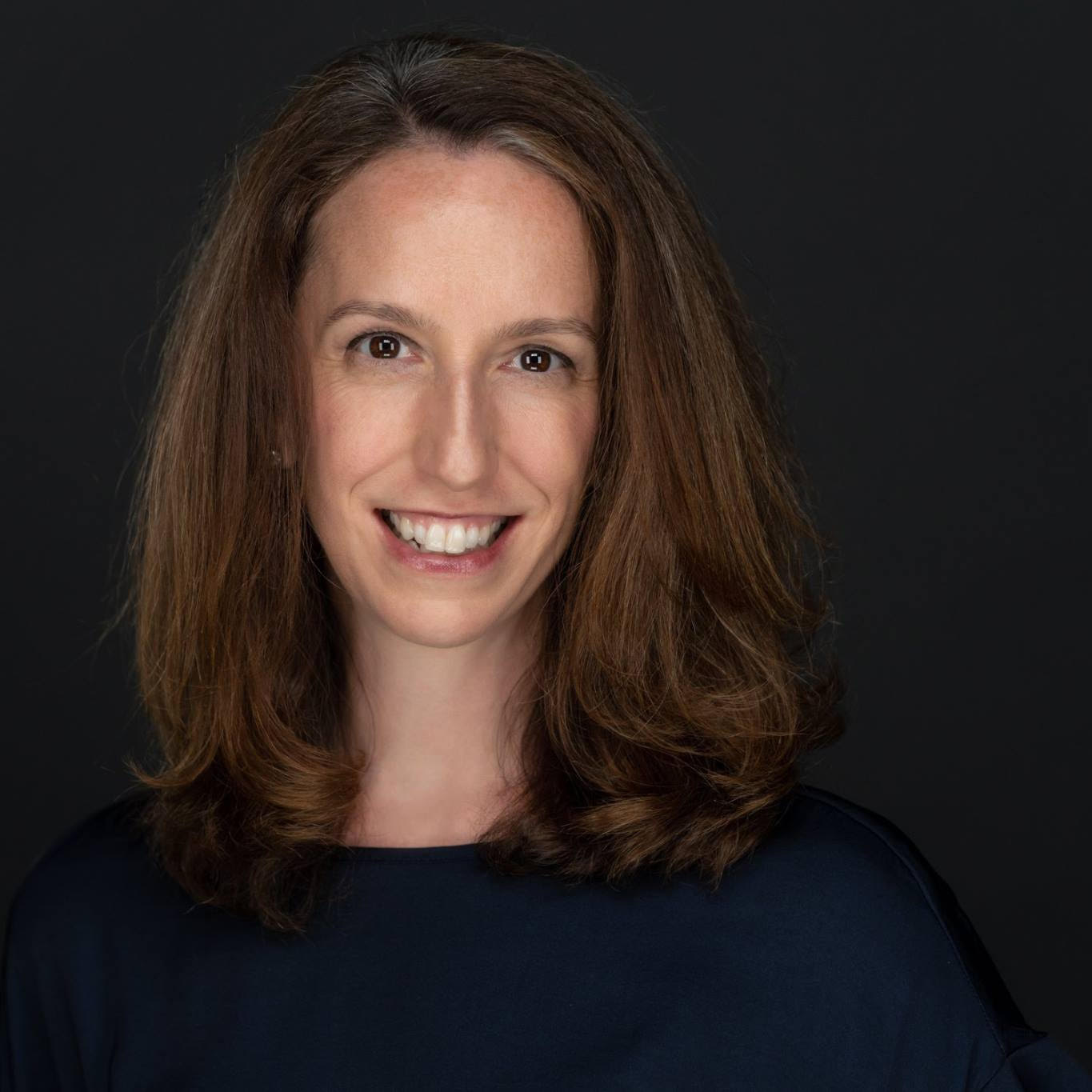
Dr. Jessica Drummond
Founder & CEO
The Integrative Women’s Health Institute
At the Integrative Women’s Health Institute, we’ve dedicated 20 years to crafting evidence-driven, cutting-edge programs that empower practitioners like you to address the complexities of women’s health.
Dr. Jessica Drummond’s unique approach focuses on functional nutrition, lifestyle medicine, movement therapies, nervous system dysregulation, trauma, and mindset – essential elements often overlooked in traditional health education.
In addition, your training will be fully evidence-based, personalized, and nuanced (this is not a cookie-cutter approach) in functional nutrition, exercise, recovery, cellular health, and all other lifestyle medicine tools.
You’ll learn to support your clients with cutting-edge tools safely and effectively.