Follow Us for Free:


About the episode
“Your body might be acting up right now, but your body is amazing, and it will respond.” – Monica Reagor
Up to 1 in 5 women struggle with PCOS, and while it can start with irregular cycles or difficult periods, over time it tends to lead to other symptoms and conditions, from fatigue and insulin resistance to anxiety, fertility struggles, chronic pain, and many more. Unfortunately, many women spend a long time being dismissed by practitioners while their list of symptoms and the impact on their quality of life grows year after year.
PCOS is a chronic condition that requires constant adaptation. It’s an ongoing relationship with the body that shifts through different phases of life, from the first menstrual cycle to perimenopause and beyond. Living with PCOS, like with many other chronic conditions, requires women to constantly work to balance life with PCOS with careers, caregiving, productivity, and all the other demands. That’s one of the reasons access to community and long-term support makes such a difference.
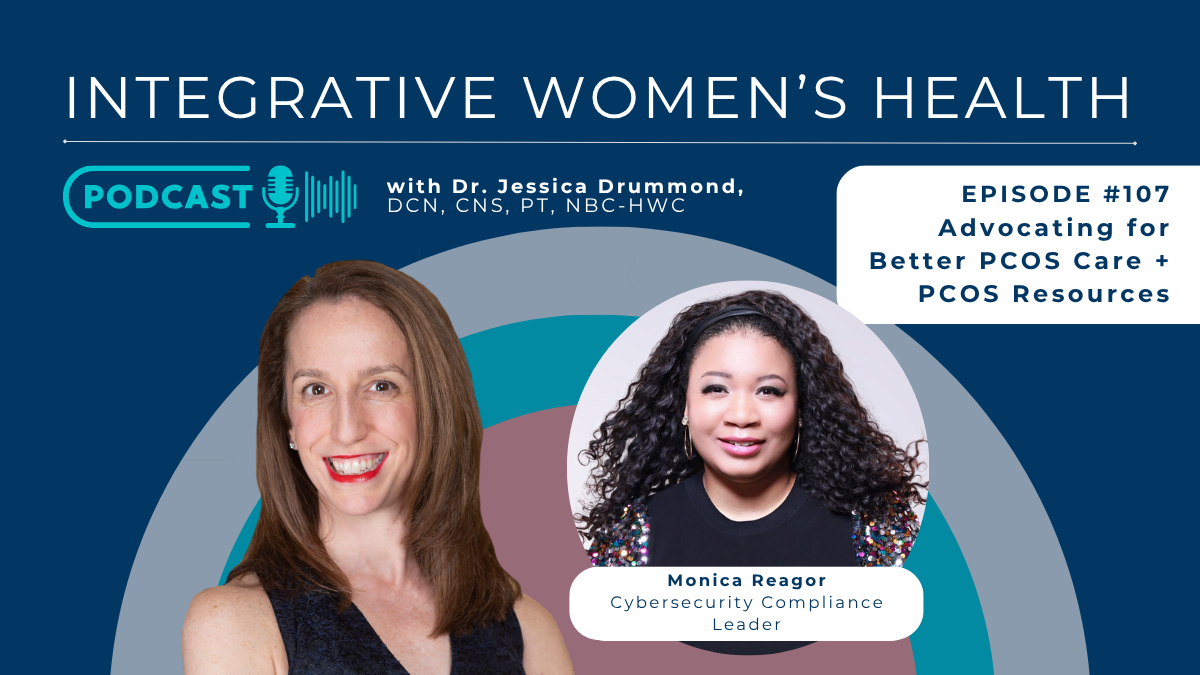
In this episode, I’m joined by Monica Reagor, co-founder of the PCOS Awareness Association, a community, support group, and resource organization for women living with PCOS. We discuss the lived experience of PCOS, the importance of creating sustainable support systems for women navigating complex hormonal and metabolic conditions, Monica’s delayed diagnosis journey, the emotional impact of trying to keep up with life with chronic illness, the physiological and mental impact of PCOS, the overlap between PCOS and perimenopause, why healing often requires more than protocols, and more.
Enjoy the episode, and let’s innovate and integrate together!
Highlights
- Monica’s PCOS journey and why she co-founded the PCOS Awareness Association
- Why PCOS is still widely misunderstood and so many women experience years-long delays before receiving a proper diagnosis
- How PCOS can function as an energy-limiting condition
- The role that community plays in navigating chronic illness
- How AI-generated content is complicating the search for trustworthy health information online
- Practical ways patients can advocate for themselves
- Why long-term health coaching can help women with PCOS
- Experimenting with supplements and lifestyle strategies to help manage PCOS symptoms
- The importance of community support and safe spaces for women living with PCOS
Learn more about Monica Reagor & The PCOS Awareness Association
About Monica Reagor
Monica Reagor is a highly respected Governance, Risk, and Compliance (GRC) professional whose career is defined by her leadership in cybersecurity compliance, risk management, and technology innovation. Born in Springfield, Illinois, and raised in Virginia Beach, Virginia, Monica’s professional journey spans diverse industries including banking, electronic manufacturing, and federal and state government sectors. She holds multiple certifications, including GRCP, GRCA, and Lean Six Sigma, and is currently advancing her legal studies in Law & Policy at Liberty University.
As Chairwoman of the Privacy & Data Security Workgroup for the National Association of Black Compliance & Risk Management Professionals (NABCRMP), Monica champions initiatives that promote data protection, ethical governance, and regulatory excellence. She also contributes her expertise to the National Initiative for Cybersecurity Education (NICE), shaping the future of the cybersecurity workforce. Monica is the host of MY GRC POV, a podcast that explores emerging challenges and opportunities in GRC and cybersecurity, and serves as Manager of Information Security Compliance at Crestron Electronics Inc. Her leadership is known for transforming traditional compliance frameworks into inclusive, emotionally intelligent, and culturally aware programs—demonstrating her belief that strong compliance begins with strong community connection.
A dynamic diversity, equity, and inclusion (DEI) advocate, Monica is deeply committed to gender inclusion in cybersecurity and increasing diverse representation in risk and compliance roles. She co-founded the PCOS Awareness Association, which serves over 7 million women who have polycystic ovarian syndrome worldwide. She is also the President & Executive Director of the National Liturgical Dance Network Global (NLDN Global). Monica’s impact extends beyond corporate settings—she is a published author, motivational speaker, and long-time pageant coach, empowering individuals to lead with authenticity and purpose. Her multifaceted contributions, from the boardroom to the community stage, make Monica Reagor a powerful voice and visionary in cybersecurity compliance and beyond.
Learn more about The Integrative Women’s Health Institute’s Programs
- Perimenopause and Menopause Certificate Program
- The Integrative Women’s Health Membership
- Endometriosis Certificate Program
Ready to revolutionize your career and grow your practice?
- Integrative Women’s Health Institute on Instagram | @integrativewomenshealth
- Integrative Women’s Health Institute on YouTube
Click here for a full transcript of the episode.
Dr. Jessica Drummond 00:00:03 Hi and welcome to the Integrative Women’s Health Podcast. I’m your host, Doctor Jessica Drummond, and I am so thrilled to have you here. As we dive into today’s episode, as always innovating and integrating in the world of women’s health. And just as a reminder, the content in this podcast episode is no substitute for medical advice, diagnosis, or treatment from your medical or licensed health care team. While myself and many of my guests are licensed healthcare professionals, we are not your licensed healthcare professionals, so you want to get advice on your unique circumstances. Diagnostic recommendations treatment recommendations from your home medical team. Enjoy the episode. Let’s innovate and integrate together. Hi everyone. Welcome back to the Integrative Women’s Health Podcast. I’m your host, doctor Jessica Drummond, founder and CEO of the Integrative Women’s Health Institute. If you are not yet in our Perimenopause Menopause certificate program, now is the time to reach out. I’m really excited for this group that we have coming in now. There’s just so much that we’re supporting, and one of those things that that the professionals, the health and wellness professionals and aspiring health and wellness professionals and health coaches to be in our community are going to be learning about the intersection between perimenopause, menopause and chronic illness, including PCOS and other metabolic and menstrual health conditions.
Dr. Jessica Drummond 00:01:43 PCOS is so common, up to 1 in 5 women struggle with PCOS, and there are quite a few comorbidities that go along with PCOS, including things like low iron. Of course, for the heavy bleeding, which we’re going to be talking about in this episode. Mental health challenges, fertility challenges, and we get to meet in just a moment here. Monica Rieger she is the director and founder of the PCOS Awareness Association, and they are a community and support group and resource organization for women living with PCOS. Just I think that community aspect is so essential, and they provide resources in the area of PCOS and support, research and collaborate with academic medical communities that are providing more multidisciplinary care for PCOS. Better, more evidence based education information. We talk about the downside and complexities of AI education in on social media, and they’re actually talking about how they use AI to educate because as we all know, by the end of 2026, the vast majority of all content on most social media platforms is going to be AI driven, so we’ll see if that really happens.
Dr. Jessica Drummond 00:03:04 But I think we are well on the way. More and more, we’re seeing videos now that appear perfectly human and when they are fully AI. So I want to introduce you really quickly with Monica’s bio. Monica Rager is a highly respected governance, risk and compliance professional whose career is defined in her leadership in cybersecurity, compliance, risk management and technology innovation, which is one of the reasons she brings that innovative use of AI to platform education for health. She was born in Springfield, Illinois. She was raised in Virginia Beach, and she’s worked across many sectors. But importantly in the role that she comes to. In this interview is as a active participant in the volunteer organization PCOS Awareness Association, which serves over 7 million women who have PCOS. As the co-founder of that organization. Her main role is education to the public, to health and wellness professionals. She collaborates with research organizations, but most importantly, like so many of our guests, so many of our students, so many of the people in our community has lived experience of living with PCOS all day, every day and the comorbidities that go along with it.
Dr. Jessica Drummond 00:04:30 We’re going to chat briefly about how she’s starting to live and feel in her own body, something that maybe you have as well. The intersection between PCOS and perimenopause. And then we’re going to talk about why, especially health and wellness professionals who have health coaching training, like through our Perimenopause and Menopause certificate program, partnering with women who struggle with complex chronic illnesses like PCOS and other metabolic syndromes, not just for like a three week jumpstart or a six month program, but as a long term container of health and wellness through the ups and downs of life. I really want you to challenge yourself to think about how your business your practice, could expand to hold longer term, deeper containers to help people grow and grow and grow in their health goals. Not just like hit the next weight loss number or get to the gym three times a week or, you know, have energy in the afternoon. Like not just one off goals, but huge long term lifestyle transformations that can really change not only someone’s health, but everything about their lives.
Dr. Jessica Drummond 00:05:50 All right, let’s get into the episode and I’ll see you on the other side. Hi, everyone. Welcome back to the Integrative Women’s Health Podcast. I’m your host, doctor Jessica Drummond, and I’m here today with Monika Rieger of the PCOS Awareness Association. Welcome, Monika.
Monica Reagor 00:06:11 Thank you so much, Doctor Drummond, for having me. I’m super excited to be here today.
Dr. Jessica Drummond 00:06:15 We’re so happy to have you. So many of the women’s health and wellness professionals that are in our community either have experienced PCOS themselves or have friends or family member experiencing it, but many of them are working with patients who are struggling with PCOS, whether it’s related to fertility issues, metabolic syndrome, risk factors later in perimenopause, menopause and post menopause for cardiovascular disease, PCOS leaves a long footprint. So when you think about your work with the PCOS Awareness Association. Do you believe that most people understand what PCOS even is yet? Or what level of kind of literacy around PCOS does the average layperson have now?
Monica Reagor 00:07:09 Yeah, so that’s a great question.
Monica Reagor 00:07:10 I’m tackling two approaches. The first is we’re still learning PCOS. Polycystic ovarian syndrome. Along with this, associated metabolic disorders are still under discovery. We’re still learning literally day by day something new that’s associated with it. For instance, many years ago, even though I was diagnosed in 2014, I probably showed signs of PCOS in my teen years. Right. But tradition culture is like, oh, you’ll grow out of it, right? And then getting older, finally getting a great job that allows for health care and being treated for PCOS but not officially diagnosed. Meaning when you have PCOS or metabolic disorder, they’re looking for symptoms and then symptoms over time. And if you don’t have a relationship with a provider and to create a portfolio or some type of history to say this is a recurring symptom, your progression of treating your symptoms, then it’s difficult to diagnose. The great thing is that PCOS, awareness, associations and others that’s come before us and with us continue to raise awareness to say that this is a evolving disorder that many women actually have, and they don’t know it, right.
Monica Reagor 00:08:28 There’s been statistics out there, essentially, that there’s about 7 million women who are diagnosed with PCOS. One year it was 1 in 5. Now it’s 1 in 10. It goes back to 1 in 5. So that means you can count one, two, three, four, five. And so one that person has PCOS. And so I think it’s important to to discuss the misconception. It’s not just the mist period. It’s not just the excessive bleeding or long periods. I had both. It is a combination of things. It’s the not just the physical symptoms that you may display, but it’s also how you feel. Mentally it attacks your anxiety. Brain fog. Sometimes you go from having really anxious experience to depression, and that it has to do with an imbalance in your hormones. So it’s a very complex condition, whereas the other, I believe, is the emotional stress on the person trying to fit into a world that already has a framework that says, this is what you’re supposed to look like, or this is how you’re supposed to exist.
Monica Reagor 00:09:33 And we’re trying our best to meet that, right? And it is very difficult for us. The third part of that, I guess I had three, was that it’s also having the conversation with the right provider to do the things that many of our people in our community have said is that it’s taken me over ten years before I’m officially diagnosed. I am one of them, right? I was treated for 2003. I wasn’t officially diagnosed until 2014. That’s a long time to not feel good or feel well, right? The other is the associated conditions that you could develop over time like diabetes, heart failure, fibroids, fibromyalgia, all of those different associated compounding. On top of that, you don’t feel well. And so having that conversation with your provider who either again, all of those things I just mentioned, either the provider has the time to work with you or they don’t. And oftentimes the rumor in the community is that most providers are just trying to get you in and out, so they’ll provide a treatment that they think works without really trying to dive in to figure out if indeed you do have polycystic ovarian syndrome.
Monica Reagor 00:10:39 And it’s not just prescribing birth control metformin or something like that, but it’s actually creating a holistic approach so that person can feel better inside and out.
Dr. Jessica Drummond 00:10:50 Yeah, and that’s one of the reasons we developed our perimenopause and menopause certificate program in this way for professionals, because women at all stages, but absolutely in their 40s have often late 30s, been dealing with PCOS, maybe since maybe essentially for their entire lives. Maybe, yeah.
Monica Reagor 00:11:11 I’m 45 and I’m like, what’s happening with this pre menopause stuff? It feels like a PCOS on times ten. And that is bad.
Dr. Jessica Drummond 00:11:20 Absolutely. And so perimenopause tends to amplify or complicate or even unmask chronic illnesses like PCOS. And I think it was very interesting what you mentioned in your second point. I think often providers and actually even women with these conditions don’t think about PCOS as a disability, but it really is because just like any energy limiting condition. You have to think about pacing your energy. When you have energy issues, chronic pain, menstrual health issues, low iron from heavy bleeding, brain fog from chronic inflammation, fertility challenges.
Dr. Jessica Drummond 00:12:04 This is going to impact your work and your life and your goals and your ability to focus and your productivity. And I think it’s really important that we start to identify our own internal ableism as a community of professionals, but also as just women living in these bodies. Sometimes it can be really problematic if you’re compounding these energy limitations with the fact that you’re just trying to keep up with a level of productivity that either you at one point had, or you think you should have this idea of the framework of what’s expected in society. Just I think bringing a lot of awareness to that ableism can be really helpful because it’s a wait a minute. I’m running at this exhaustive pace that in and of itself, is potentially exacerbating my condition and my disability and my illness, which I might be able to actually recover from or put into remission. If I address why I’m running this fast. Do I actually have to?
Monica Reagor 00:13:16 Absolutely. I myself and our founder, Megan Stewart, we talk about that all the time because not only do we both have a full time job, we work 9 to 5.
Monica Reagor 00:13:24 Then we have what we call our after 9 to 5. So I have two podcasts, PCOS where in association she has PCOS, where in association she runs an event space. She has a salon suite. There’s all of this. And to your point, it is challenging to manage one the expectations that we are tend to fit in. And then the other is to say that especially if you’re ambitious, you’re like, I know I can do more and your body is working against you to do more and, and then do. And additionally to your point, one of the things that we’re excited about is more councilmen and simply women are advocating for legislation around it being disabling and debilitating for us, especially young girls. I remember when being in high school, I played basketball my entire from elementary school to college volleyball ran track. But when my cycle was on, I was in the bathroom cringing. I remember calling home to get picked up because I was in so much pain, or I was just so uncomfortable.
Monica Reagor 00:14:30 And that affects young girls today. But there’s no safety net or guardrails to help protect them in their education, if indeed they have PCOS. If indeed they may have early signs of fibroids or fibromyalgia. Our founder, Megan, at the age of 12 or 14, she was diagnosed with cervical cancer. I’m sorry 16 and then but her PCOS diagnosis was like 12, 9 or 12. And there is a lot to deal with and you’re still not feeling well and you still have to show it for your friends. You still have to be a wife. You still have to be a mother, a coworker. For me, I’m a professional in my career that requires a lot of cognitive assessments and compliance. Right. So that’s exhausting when you’re reading those regulations for 300 pages. But then on the flip side of that, as debilitating it as it is, when I look myself in the mirror, if I don’t have the tools to help me one identify if it’s, I call it a flare up, a PCOS flare up moment, or if it’s literally something that I’m working through.
Monica Reagor 00:15:32 Maybe life is laughing. I could walk myself into a form of depression and stop liking myself, and then that will exacerbate all of the other symptoms that I have. This is personal for myself. I walk it every day. I’m grateful for my team of doctors that I have. I have my general practice internal medicine. I have my geologist. I have back issues, so I’ll have back issues for that. My dentist, who we have a dental hygienist on our board and she educated us that those who have often who have PCOS have teeth issues because of the reduced or low vitamin D. It’s not that you’re not taking care of yourself, it really is a byproduct of that. And so to your point, iron deficiency, that’s just not just low energy, but it’s how your mind cognitively operates. So there’s a lot against you. And so it’s difficult to find that sweet balance to bring you back into a center. And so having those conversations and being able to speak out about it is important for everyone.
Monica Reagor 00:16:34 And then for the spouses and your partners, you’re trying to figure out why they’re mad and now they’re crying. Outside of being a woman, it’s it’s challenging. And oftentimes we get a lot of conversations around our conferences and our events from spouses who says, I don’t know how to help, right? How do I help? And to be supportive. And often we have to say, give them space. They are trying to figure out, we’re trying to figure it out. We don’t want to be really upset or frustrating, but give them space. But your strength in that moment and not judgmental. Not saying what’s wrong with you is not helpful, but creating those spaces. So for us that PCOS, AA, we partner with organizations like Crisis Text Line, we get that. I don’t know how many times on social media and our DMs is I’m done with this. I’m tired with this, I get it, I absolutely get it. But we’re not qualified to walk you through that process. So we’ve gone a step further to partner with crisis tech, not text line.
Monica Reagor 00:17:30 If you text the 747474 I believe and then type in PCOS, you’ll get immediately a counselor to walk you through where you are in that moment. That’s more qualified than we are. And so it’s just on and on those level of resources that we provide, because it’s not just, oh, I’m having a menstrual cycle or a successive it is a holistic point of view at a woman’s health from start to finish.
Dr. Jessica Drummond 00:17:54 Yeah. And I think this is why for people with PCOS and their families and their partners working with health coaches who have that holistic level of training and who are really skilled at these communication skills, at building teams of physicians, of physical therapists, of nutrition professionals. Because the good thing I think about PCOS is we have so many tools to address it now we discuss it often comes with complications. Fibroids comorbid with endometriosis comorbid with certain cancers. Increased risk for certain Cancers comorbid with other metabolic issues, but we also have a lot of tools for this. We now can track blood sugar, direct consumer.
Dr. Jessica Drummond 00:18:45 We can track emotional stress, direct consumer with heart rate variability, tools we can track. We can look at testing for nutrient deficiencies or gut dysbiosis. We can look at strength and body composition and muscle building and bone building for women who need to layer in strength training but are in a fatigue condition. So we have to do that carefully with physical and occupational therapist and certified fitness professionals. So I think the good thing for women with PCOS is that there are these tools and resources. Now, the hard part is one knowing if you’re even dealing with PCOS and any of the comorbidities because like you said, there’s like a decade delay to diagnosis, which I hope professionals will listen to. And then second, just I think women Getting really confused in when we think about things like media literacy. Social media. We know there are some prediction that by the end of 2026, 100% of all content on most social media platforms, things like Instagram will be AI generated. So it’s hard to even know who to trust because many videos, even now that look like actual humans.
Dr. Jessica Drummond 00:20:04 And I will say right now Monica and I are not AI generated. We are.
Monica Reagor 00:20:08 I’m not asking for that. I’m too cute for that. I’m too cute for that.
Dr. Jessica Drummond 00:20:12 We are actually here, and soon we’re going to have to probably say this. And will people believe us? Who knows? But I think media literacy when it comes to thinking about because the number of AI generated videos I’ve seen in the last few months when we were talking about Harriet, menopause, a bit of someone being like, I’m 75 years old and I’m this fit because I take this supplement and they look like they’re like 40, but they’re not a real person. You’ll see that same person being like, I’m 60 and I’m doing this, I’m 19, I’m doing this. But what’s so interesting about that is I look at that and I’m like, okay, AI, but almost no one in the comments is aware.
Monica Reagor 00:20:56 Yeah, yeah.
Dr. Jessica Drummond 00:20:56 And so now that we know that most of this is going to be AI generated, and there are a lot of tools being sold to women with menstrual health issues, with chronic pain, with metabolic issues with PCOS specifically, how do women find answers when they’re being gaslit by the corporate medical system? And then they’re like, promised to these sprinkle dust solutions on social media by either real human influencers or AI influencers.
Dr. Jessica Drummond 00:21:28 How do they unravel that? How do they navigate that?
Monica Reagor 00:21:30 Let me see. There’s three ways Lisa would say three, and then see where we go with it. But the very first thing is for PCOS Awareness association. We have a very core holistic approach. One of the things that I am proud of is that we’ve connected with Cornell University, actually, more specifically Doctor Marie Lucien out of the ovary lobster, and for their clinical research. And they are part of our verification board, if you will, of all the information that we provide out on our page. So I believe that it requires all of us to be intentional about understanding what is taking place with our bodies. You’re never going to be able to get an answer off of Instagram. It’s just going to have misinformation. It’s something that we have to accept. But I believe as we continue to understand some of the symptoms, if not all of the system systems, understanding that this is a life condition is not a cure out there. Because I can tell you right now, I probably heal myself three times already if quote unquote healed or cure.
Monica Reagor 00:22:32 I’m in my cure stage right now. But if life is laughing, I promise you all of my symptoms will flare up, right? So you can definitely put it in a place of remission. But to navigate the literacy out there in social media is to find and this is something you have to be intentional about. Find verifiable information. PCOS Awareness Association. Every bit of stats that we put out research, clinical study is verified by Cornell University. That’s their heartbeat. And it’s not just for PCOS. Doctor Lucien lab. Actually it does clinical research for reproductive health. How does it start? Like how early does metabolic disorder start. And I think we’re now waiting for some of the test results. We’re looking forward to that getting some more information out there. The second is we actually use AI videos for educational purposes. We do not use it to say to help people to determine if there have PCOS. So we have three avatars that we use that helps us generate content around common symptoms of PCOS infertility. If you have, you struggle with weight gain.
Monica Reagor 00:23:44 That’s a common symptom if you have. Frustrating because my waxing bill is insane. That is a common symptom. So we have our hope. Who looks like me? That talks about the common need for community, the common need to understand who you are. To know that you count, that your voice matters. How you feel matters. That’s how we leverage AI as well. We communicate to our community. Then we have Grace, who is for our teens, and she specifically speaks to how she feels in that day. Today is a tough day of starting my period. Today is a tough day. My friends and I didn’t get along. We had a fight and I feel like. So we use AI in that way as a way to say every bit of information coming from AI is a tool that from information that has been vetted that you can find anywhere. We are very careful about leveraging AI to give a list of diagnosis. We wouldn’t do that. We don’t do that. We let that be independent stories.
Monica Reagor 00:24:41 And then we’re always asking for individuals to share their independent story, because every single person, Megan and I have a similar story in our diagnosis, but we have met people who have different stories and different journeys. We have people who don’t have the issue with the weight gain. This what we call that lean PCOS, right? Whereas I’ve been fighting weight loss gain all day for many years and it’s a challenge. It’s for myself. I wouldn’t be able to have children, Megan, the same way we wouldn’t be able to have children. And that type of ideology. When you’re watching those AI videos and you’re like, oh, you’re not contributing to society, that’s challenging for us. So to be intentional, it’s the first approach second. There are tons of organizations like PCOS awareness Associations. There are portions of hospitals who are now raising awareness around metabolic disorders, which is extremely important. Connect with the community that is providing that can give you medical sound research or message. Jim and said, hey, where’d you get this information? And if they can’t provide it, move on.
Monica Reagor 00:25:45 But if they can, by all means, educate yourself. It’s very important. And the third thing is because it’s social media and digital content is all about algorithms. If you see it on Instagram, you might see it somewhere else. I promise if you do five seconds of research, you will be able to vet if that’s true information or not. I think part of it, Doctor Drummond, is that we are so used to people just hand feeding us information, and this disorder along with any other, you have to go get it. We laugh because and I say this with every bit of compassion, is that when we think about the research and the funding is 0.002% to people with PCOS. But then we have cancer. we were like, there’s a lot of funding there. Somebody share. Right. So we can we can help out. And it’s interesting to us because I think a lot of many conditions, you will find many symptoms that could stem from PCOS or the like.
Dr. Jessica Drummond 00:26:48 Yeah. So I think bottom line when you’re talking about media literacy and by the way, thank you for sharing how you actually are using AI.
Dr. Jessica Drummond 00:26:55 Obviously there are AI twins out there and it matters what they’re saying, even if they’re not human. But I think what you’re saying is that it’s valuable to gain information about what the symptoms are and potentially what the diagnostic criteria are for PCOS, so that you can ask better questions of your own health team and also research at large academic hospital Institutions, things like that. But it’s not the place to find the magical solution.
Monica Reagor 00:27:30 Absolutely.
Dr. Jessica Drummond 00:27:31 That requires building a professional team. And so if you think about someone who has found what she feels like is a good primary care doctor, or she’s in pelvic health PT and she has questions about her PCOS, what how do you how do you help her to become more effective at self-advocacy for consistent treatment over time, for more holistic treatment, for having someone talk to her about specifics of lifestyle shifts and not just prescribing metformin or or birth control. What are some ways where patients can be more self advocating, but not necessarily having to do like all the work since it is already an energy limiting condition.
Dr. Jessica Drummond 00:28:23 Now it’s like suddenly they also have to be their own provider. How do they walk that line to preserve their health and get the care they need?
Monica Reagor 00:28:31 Yeah. My first my always my first start is to find a community of individuals. There’s again outside of PCOS awareness association. There’s other communities that are either local. There’s sometimes there’s not even finding a PCOS organization in your local area, but maybe just a all women’s local community support group. And I’m sure there’s somebody who’s dealing with period menopause like me or PCOS or something. Right. So that’s the first thing. And that will help with the energy challenge, because you will be able to feed information along with emotional support so that you’re like, okay, I’m not. The big thing is you’re not alone. And I if I can give anything out of this, out of our talk today is that you’re not by yourself. You’re not the oddball. You’re not something’s wrong with you. Your body is in the moment where it’s working against you. There’s a way for it to work with you, and so be kind to yourself.
Monica Reagor 00:29:25 The second thing I would say is that you must advocate for yourself. This is how I work. I remember early in 2014 when my doctor walked in and says, have you heard of PCOS? I literally thought she said I had cancer because I had no idea what she was talking about. And I said, please explain it to me. I ask the question as many times as you must and said, help me understand, this is similar to cancer or is this a disorder? A disorder is a condition. Okay, I think we can work through that. How much information is out there? Ask those questions and then once you take a minute to digest, which is what I did, took a minute to digest. If it takes you a week, if it takes you two weeks, give yourself time to understand what’s going on and then go back. Do five minutes of research. Five minutes you have. You literally have your phone. You can do the five minutes of research, put in hashtag PCOS, put in, hashtag Sisters, but in hashtag metabolic disorder, you will start to see all of these different bits of information.
Monica Reagor 00:30:27 And that’s not for you to diagnose yourself. It’s for you to write down your own questions. Does this apply to me? Does this apply to me? And then? Do not be afraid. And I think that’s something that all of us probably feel in, in our conversations with our providers is that we look at our health providers as they are the expert in medical health, but what they are is really practicing medicine. So they is going to give them a little grace. They’re going to have to this is a partnership with them. And so I think it’s important that we work together. This cannot be you have an infection in your arm. Let’s give you some antibiotics and roll on. Right. This is a life condition. It’s something that’s going to be with you in life. Yes. You can get to a place where you’re feeling better, but it’s going to require your attention. So let’s start with where you are. If you’re not feeling well. Right. So is it. Do we need to work through your iron and your anemia? Do we need to work through your vitamin D? Okay, let’s figure out that part.
Monica Reagor 00:31:25 I remember what year is 2026? I was 28, 21 I think maybe 2022. I was finishing up my last semester in college and I was struggling. My iron level was like five or something when I did my annual women’s checkup. Checkup. Right. And I was and my semester. So that was in I think it was in February when I did my checkup and January I was feeling bad. February, December I was feeling bad and I wasn’t doing well in school. I was like I could not between working a 9 to 5 and then doing PCOS, AA and then trying to get up and do schoolwork, I was like, dude, this is not working. I was not doing well in school. And then to my I went into my checkup and I walked into my doctor’s office and she said, you look a little pale. And I was like, lady, I’m already pale. So what are you talking about? And she said, no, you’re extra pale. What’s going on? So we did my blood work.
Monica Reagor 00:32:17 That is important to Yeah. Make sure you get your bloodwork annually. Ask for a metabolic panel. Make sure you get your A1, A1, see checked and testosterone and all of that. But make sure you ask for that metabolic panel because it’s really important. But we did all that bloodwork and then she came back and she says, oh yeah, we’re going to need an iron infusion big time today. Yeah. Like five. Yeah. Yeah. She was.
Dr. Jessica Drummond 00:32:39 Like.
Monica Reagor 00:32:40 How are you standing? I said, I’m really not. My body hurts. I’m exhausted. I’m having headaches that I can’t explain. I was like again trying to address the symptoms around that, but my lips were pale and I was like, I guess I’m really pale. But anyway, long story short, I had to go through a hematoma. Or is it a hematoma? Yes. And then they were like, at that point it was like, you need to have a colonoscopy. You need to figure out where you’re bleeding from.
Monica Reagor 00:33:05 Like, dude, you know, it’s just my cycle. But they did all this extra work to figure out, to make sure it’s just my cycle.
Dr. Jessica Drummond 00:33:12 Yeah. And I think that’s important, right? We want when someone has a chronic condition. We also want to make sure the rest of their health is not being ignored. Yeah, yeah for sure. I think you bring up some really important points that people living with PCOS, but also their providers, because sometimes when you’re living with PCOS or any chronic condition, it’s hard to keep track of what you should be checking in on and assessing every six months, every year. One of the recommendations for our students who are health coaches or health coaching students is to create containers where people can get health and lifestyle coaching and support for years, not just like a three month jumpstart or a three week jumpstart, but people need this kind of support and tweaking of their day to day lifestyle exercise programs, nutrition programs, sleep hygiene. And it’s going to vary.
Dr. Jessica Drummond 00:34:11 Even if they get to a quite stable place, then they get pregnant or they start going through perimenopause, or they lose a job, or they change jobs, or they move or they have a different health condition. They do find that they have stage one colon cancer or something while they did the colonoscopy, or they do get an infection. And so I think coaching coaches that are really quarterbacks of some of these health care teams with the client, and it’s always a collaborative effort that we should be thinking about working in health, coaching relationships for people’s lives, not just like that for six months.
Monica Reagor 00:34:52 Yeah. At one period. And you want your like I for myself and some a lot of our participants in our community, they are like, I just want to be able to figure out when I’m spiraling and how to get back on. Right. And even for myself, like this is a live experience with why we’re so passionate about it is I can tell when I’m I’m stressed, like I’m at my capacity.
Monica Reagor 00:35:14 I can feel it in my bones. I know immediately if I’m at that capacity, it means my cortisol, it is rising. Cortisol is going to send me right over the edge. Right. And so my first thing is, okay, do I need to take a gummy to calm down or do I need to take some magnesium? What’s really stressing me so I can figure out the best way? And sometimes it’s just that I’m just hungry. I didn’t have enough protein for that day and my body is okay. Hello, ma’am. You need protein. You have PCOS. The recommendation is you have about 30g of protein per meal, or at least up to 100g per day. And for me, I find for myself is that the first meal my breath is if I’m not eating or drinking my 30g of protein. I do feel it throughout the day, right? It sets the tone for the day. And maybe that’s not for everybody, but for the most part, you find what works for you.
Monica Reagor 00:36:03 And that’s one of the things that we that Megan and I are intentional about. Not not not pushing one approach to your PCOS journey. If it’s a supplement, it’s a supplement. Whatever works for you. We just create space to have all of these resources available to you, and then you decide what works for you. For me, I take an asset that helps with the information. It helps with learning all of the fun stuff of my cortisol for me. But I also know I have to do my part and doing my part is getting into the gym. So not running hard in cardio, but really lift weightlifting, right? And be kind to yourself because it takes time. It takes time to do the reverse, which is the most frustrating because many of us want to be over with it done. But this is not bad. It literally I remember I started taking notes at all, but yours is 2026. Y’all getting older? Sorry 2026. In 2024 and within probably 30 or 45 days I realized I lost £7.
Monica Reagor 00:37:04 But what I noticed, I didn’t realize I lost that much until I went to the doctor. But I realized that my joints didn’t hurt. I was like, wait. This is helping with my inflammation. Great. And I’m so understanding. That made me want to feel even more. What else can I do more. And then of course, exercising. So I’m like, you know what? There’s YouTube. They got stretching. Let me get on YouTube and stretch. Right. Like you have to do the intended work. There is absolutely no pill. I don’t care if you’re on Majuro or any of those other type of tools. None of that is not an indole cure. It is addressing a portion of the disorder. But you have to do the work and doing it long term, it hopefully is not to remain on medicine for the rest of your life, but if it is, make sure that it’s at the minimum state because insulin resistance is difficult to manage for anyone. And that’s my encouragement to people.
Monica Reagor 00:38:00 It’s this is your life and be a partner with your providers. Ask the question. Speak up and anyone that dismisses you, they are not the right provider for you. Because this is your life.
Dr. Jessica Drummond 00:38:13 No, absolutely. And I think one of the things that health coaching professionals on teams with, like I said, physical therapists, fitness professionals, occupational therapists, dietitians, nurses, physicians, other wellness professionals, even things like even and especially things like acupuncture, qigong, yoga, breathwork. Because that nervous system piece is really important to living in that more calm, parasympathetic activated state. And so I think when we think about how can health and wellness professionals really support women with PCOS and the most common comorbidities is absolutely. We have increasingly we don’t have a wide range of increasingly good tools for metabolic syndrome, but we do have a lot more than we did even ten years ago. We we know a lot more about metformin. We know a lot more about the benefits of inositol. We know a lot more about the benefits of blood sugar regulating and high protein diets.
Dr. Jessica Drummond 00:39:14 We know a lot more about the benefits of strength training, and we do know a lot more about the benefits of GLP one and GIP agonists peptides. That is a really valuable tool for women with PCOS who are trying to conceive. That can be very helpful for some women. It can help with inflammation, metabolic issues, weight loss, resistance. But each of those tools not that they all have downsides necessarily, but they need to be supported by things like lifelong strength training. Well, what’s exciting to me about strength training is let’s say you’re 55 and you’re just realizing this is all happening to you. We have data that if you start strength training when you’re 80, it’s still helpful over 80. You can be any age and actually gain muscle. And I think that’s so valuable for women with PCOS who may be if they’re on long term GLP one and GIP peptides, which may be the right thing to do. We can protect bones with balance training and jumping training and heavy strength training, and we can start that any time.
Dr. Jessica Drummond 00:40:26 And we can help with things like nutrient deficiencies by regularly testing for them, of course, but dietary shifts. Gut microbiome health help with digestive function support so that they’re actually absorbing all this protein and micronutrients that they’re trying to eat.
Monica Reagor 00:40:45 Yeah, I know, I totally agree and I’m so glad you brought that up. First of all, can we just say how cool the body is? You can start lifting at 80 and put muscle on and return back the time. Now, maybe not the skin in the wrinkles, but we need to work on that still, right? But but how great and how powerful our bodies are. So appreciate the fact that your body. Yes. You may not feel well. Yes, you may be struggling, but your body will respond if we find the right combination. And to your point, there are people who are on long term GLP one medicines and others, and there’s no shame in that, right? If it’s going to help you and you have your doctor supporting it, you feel better and you have the other items in place, meaning you’re going to your annual checkups.
Monica Reagor 00:41:32 You’re making sure that you’re paying attention to changes in your own body. They’re fantastic. And then again, like you said, just partnered it with your lifestyle. It has to be part of your lifestyle. I know when I’m especially when I travel a lot, but I do not eat well when I travel, right. Because it’s just I’m out and about. So but I what I’m intentional about is after I’m eating, especially at night and especially I’m late at night, I will make sure I don’t go to bed straight away. I don’t care how tired I am. I actually walk for 30 minutes. So either it’s in the lobby or if it’s on a treadmill or it’s outside, whatever it is, or I’m walking back and forth in my hotel room and there’s nothing wrong with me, is the reason why I do that is so I can regulate my body because I’m going through that sugar spike after you finish eating right. And that is partnering with all the tools that you already have that is assisting with your body.
Monica Reagor 00:42:25 So your body is not failing you. Your body might be, I always say my body might be acting up right now, but just know that your body is amazing and it will respond. We just have to figure out the right combination of tools and lifestyle choices to help you get to a place of healing and balance, which is what we were just hoping to do, right? Balance our test on balance our cortisol, and then the mental side of it, the mental health side of it. Stress, right? Some things you have to say no to. I’m learning that in my own life. You know what? That’s not my rodeo. Not my circus kind of thing. And that has helped me be able to. When I close out at 5:00, I’m done. I’m not going to worry about it anymore. Right. And learning those tools, developing good and strong, healthy relationship decisions and support. I can share my own story. Growing up, I was always a plus size girl. I’m five nine, played sports obviously, but I didn’t look like my young.
Monica Reagor 00:43:24 I have three younger sisters and they all were petite, skinny and cute and did stuff that wasn’t me. And so trying to fit in a mold that I didn’t look like, right. That is mental trauma. And then getting older and then I have to be in a job that is cyber security, and compliance is male dominant. That’s another trauma. So now I have a trauma upon trauma and now I have PCOS. Right. What you’re doing. So all of that matters. And how you navigate through those bits and pieces of your life is important. But making yourself the center of that and what works for you is it also more important. So I don’t want to dismiss that. Yes, every one of those tools is important. So getting a health coach is absolutely important. I go to therapy because I have a lot to say.
Dr. Jessica Drummond 00:44:11 For both of those things for sure.
Monica Reagor 00:44:13 Absolutely. It’s absolutely important. It’s if it’s therapy to deal with your past, that’s what you need. If you need a coach to help with your future.
Monica Reagor 00:44:20 Great to get there, right? If you need a nutrition to walk you through the first powder, how do I meal prep and why is it so much for me that might not be your thing. Maybe there’s a way to. There’s times when I’m rushing. I’ll go to my grocery store and get those remade salmons and things like that. It still works, right? Do I like to get in the kitchen all the time? I’m single. Listen, no, I, you know, make it quick so I can get to move on with the next thing I’m doing. But I say all that to say it’s okay to put yourself in the center of something. Get the varying tools that you need, the people in your community. But it’s up to you to do that because if no one is going to do it for you.
Dr. Jessica Drummond 00:44:57 And so I think as professionals, that idea of centering each individual in their journey of healing collaboratively with them. Knowing that we have this suite of tools, they can try different things.
Dr. Jessica Drummond 00:45:11 We can test, we can assess, we can iterate over time, always keeping in mind the goals of that unique individual and the things that feel easier for her in her day to day life. The things that are priority. I think health coaches are such experts at this that the more we bring that person to lead the team and then make sure they’re getting the mental health support that they need, they’re getting the occupational therapy that they need. They’re getting the hematology appointment that they need. It really depends. So I love that personalized approach and your emphasis of your organization on creating community, because it can feel really lonely when you’ve had to go through chronic illness for so long.
Monica Reagor 00:45:56 Yeah. It’s traumatic right? And again, I am I’m 45 and I can tell you probably in the last 210 years is taking me that long to find my voice. Miss taking me long to be okay with this is my body, and my body is okay. And so what I found is trying to figure out what this having PCOS, because sometimes you don’t even know you have it.
Monica Reagor 00:46:20 You’re like, I have endometriosis and you’re like, wait, did I have that too? Yeah.
Dr. Jessica Drummond 00:46:25 Well, so.
Monica Reagor 00:46:25 You may have boy, right. But building community is really important. So we have what we call shade of teal. Our network where we come together, we have it’s kind of like Facebook but is our own community. This doesn’t have all the Facebook noise. And we have monthly meetings where we try to have conversations around a specific topic, or we just have a conversation of like, how’s everybody doing today during PCOS Awareness Month, which is September. We have different challenges. So last year we had the 75 PCOS Challenge Edition. And so it was like, just get up, do your 30 minutes, get your protein in and then read a book, whatever that choice is, right? And so it’s doing life with others and finding that I am not by yourself. And so it is. It’s so much better to say, hey, because I remember growing up and knowing, man, there’s something wrong with me.
Monica Reagor 00:47:15 All of my friends are thin. I’m not thin. My mom was from the South, so she said, oh, you got to got big boobs and big booty. I was like, okay, that’s cute, but that doesn’t make me feel better, right? Oh, yeah. And then people always say, you look like Queen Latifah, right? You’re built like, creative, stocky and and but they considered it fat. I was like, dude, I don’t have fat on me. A muscular what are you talking about? So being different is already challenging. And then you tend to lose or you tend to not lose, but sometimes you don’t find your voice or your value because all of us are trying to just fit in because we want to be liked. We want to be in the crowd. Even the people who are creative and eccentric, They they find their tribe, right? There are people. Yeah, there are people. And so you have a people. Part of that is going to be on social media.
Monica Reagor 00:48:05 Part of that is going to be in your community. But that’s why I’m an advocate for if it’s not a PCOS awareness or a PCOS community, that’s okay. Find a woman’s community. I promise somebody in the women’s community is working through.
Dr. Jessica Drummond 00:48:19 Something.
Monica Reagor 00:48:19 Like this. Yeah. Menopause, stress. So I go to acupuncture. We can talk about that chiropractic like we do. Listen, take care of yourself. A community is important.
Dr. Jessica Drummond 00:48:30 Absolutely. Where can people find the PCOS Awareness Association if they want to find that and tap into that community, or if they want to be a resource for that community as a professional in the area?
Monica Reagor 00:48:44 Yeah, absolutely. You can go to our website at WW. Very simple. It has everything from if you want to volunteer, be a part of a medical board. We have people that life be life in a way. We have people who have just gotten pregnant and are excited, so they’re not able to serve on our board or volunteer. If you want to be a part of the Shade of Teal community, there’s a link for that as well.
Monica Reagor 00:49:06 There’s tons of resources. And then we also have we’re preparing for our PCOS con. And so what we do is in September is every other year. So we do in person every other year. So last year we were in three locations in person. This year we’re virtual so that because we’re 100% grassroot, none of myself, our founder, any one of us get a salary. This is 100% volunteer. And so this year is virtual. Tap in, make sure you get on a newsletter and get into the community. There’s a ton of resources all over the website. You can see our four pillars where we through PCOS, research, advocacy, education. And I can think of the fourth one. This is me. And we are really we’re about people finding what works for them. Right. And so and we have health coaches. We have dietitian nutritionist, doctors. We have research at all of our events because we want to make sure that we are providing a comprehensive environment so you can decide what works for you.
Monica Reagor 00:50:08 If you want to be a part of our community as a sponsor, as a vendor, any of those things, just go to that same website. There’s all that information is there. And then follow us on social media. So we have about 70,000 followers on Facebook, about 40,000 followers on Instagram, LinkedIn. We have 4000 business or business professionals on our platform. TikTok is fairly new for us, which is why we really are tapping into AI, because we want to try to give content that people can just flip through and kind of say, oh, I wonder if I have that, or maybe my daughter has that. And then we have Pinterest. Our goal is to get the information out there and you make the decision and then come back to us and say, hey, I want to know. My doctor told me this. What are your thoughts? We can get you partnered with our medical team. And then we’ve also are working with other organizations. Again, we’re organizations that support legislation around women’s reproductive health.
Monica Reagor 00:50:58 We also are partnering with Stanford University and their clinical trial as well. Like we talked about monitoring health and spikes around women who have PCOS. And then we have another organization, Black Women Health Initiative, that we’ve partnered with just so we can start, hopefully create a space for people who are in disparity groups. And that’s important because they don’t have as much resources available to them. Even down to menstrual products. There’s a huge disparity, especially for young girls who are in school, who are having, managing, having your period for six weeks. And you have to decide between food and your menstrual products. That’s difficult.
Dr. Jessica Drummond 00:51:39 Yeah, absolutely. We do have a challenge with that, even in our local community. So that’s something that I think many people could get involved in that they may not be aware of as of.
Monica Reagor 00:51:49 Absolutely. Absolutely. It’s one of the things that when we were introduced, we were called in by the assemblywoman here in new Jersey, and she was hosting a menstrual equity conference. And I it was like, dang, are you kidding me? I didn’t dawn on me until I started meeting with different organizations.
Monica Reagor 00:52:07 That’s their focus. And I was like, wow, we have to do better. It’s just simply they came down to if toilet paper is free and even the grossest bathroom, surely we can have mineral products?
Dr. Jessica Drummond 00:52:20 Absolutely. It’s a supported.
Monica Reagor 00:52:22 Child.
Dr. Jessica Drummond 00:52:23 Thank you so much for being here. I really appreciate this conversation about just the lived experience of PCOS, the importance of community, the importance of tapping into and sticking with a consistent health team over time, and the reality that when life life, sometimes the chronic illness gets a little off kilter as well. And so having that team, that health professional team, that wellness professional team and a community. Just team of women who know what you’re going through is so important. So everyone follow. PCOS Awareness Association PCOS, aa, org.
Monica Reagor 00:53:04 You said yes, absolutely.
Dr. Jessica Drummond 00:53:05 And on all the social platforms they are everywhere. And thank you so much. We’ll see you everyone next week.
Monica Reagor 00:53:12 Thank you so much for having me I appreciate it.
Dr. Jessica Drummond 00:53:18 Thanks so much to Monica and the PCOS Awareness Association.
Dr. Jessica Drummond 00:53:23 I think the key takeaway for you as a women’s health or wellness professional or aspiring to be one, is to create community. You are in competition, not with other health and wellness professionals, but with AI generated avatars that quick fix. Sell your clients with PCOS and other metabolic syndromes or menstrual health issues. Chronic illness in general, specifically women’s health. They are really, really good at selling them supplements or other quick fixes without the depth of support of mental health, support of bone health, support of deep restorative nervous system, support of muscle building, support of nutrients, efficiency support that people with these chronic illnesses need, particularly when they have, like Monica, a, you know, a really cognitively intense full time job, a full time volunteer position. They’re often caregiving, so your clients are under stress, and they are being marketed to literally by computers that look like humans on video, quick fix solutions that are not real. So your challenge is to build community, build trust, build Longevity. Build depth into your practice.
Dr. Jessica Drummond 00:54:52 That’s how it’s going to thrive. To actually change the system so that people with chronic illness can get on that upward spiral of healing and heal at a deeper level, hit bigger and bigger goals for themselves, be more and more healthy, but also more aligned with what they actually want to do with that health, which is probably not spend hours a day watching avatar videos on social media. So if you want to be in community, they want to be active. They want to be using their brains and their creativity. They want to feel well. They want to be athletic. They want to be parenting. They want to be friends. They want to be caring for their family members. They want to be cared for. They want to do so many different things that are so personal to them, but they truly need the support of people that are highly skilled, like each and every one of our program graduates, and the multidisciplinary care that each of you offers to these women. Get out there and do it.
Dr. Jessica Drummond 00:56:01 They’re searching for you. They need you. And their stories are what I hope inspire you to do this work at a deeper level. I’ll see you next week.
Dr. Jessica Drummond 00:56:15 Thank you so much for joining me today for this episode of the Integrative Women’s Health Podcast. Please share this episode with a colleague and if you loved it, hit that subscribe or follow button on your favorite podcast streaming service so that we can do even more to make this podcast better for you and your clients. Let’s innovate and integrate in the world of women’s health.
Join Dr. Jessica Drummond to learn proven strategies to confidently address perimenopause, menopause, and chronic conditions while growing a profitable and impactful practice.
Discover proven strategies to attract high-value clients, deliver transformational results, and position yourself as a sought-after expert in this rapidly growing field.
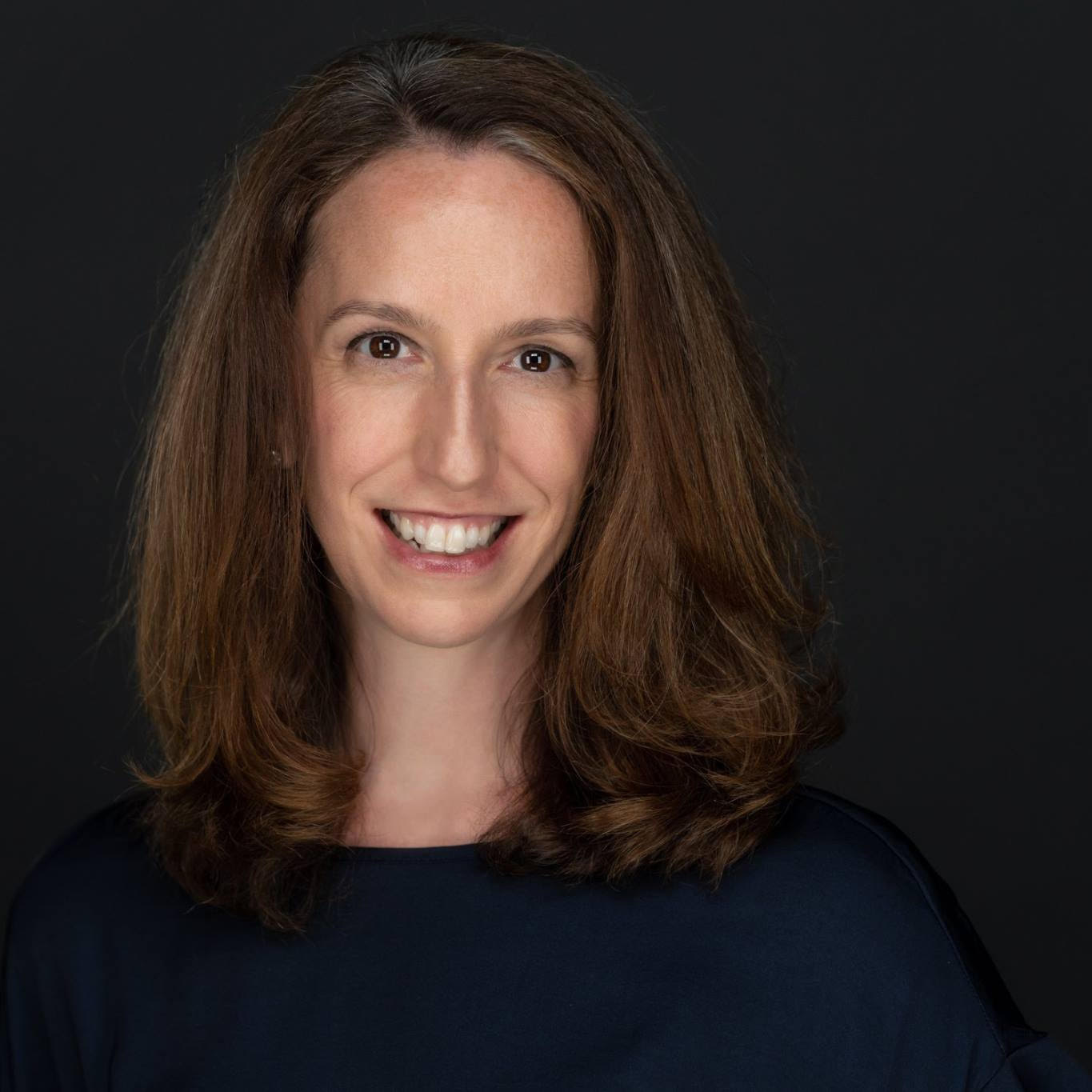
Dr. Jessica Drummond
Founder & CEO
The Integrative Women’s Health Institute
At the Integrative Women’s Health Institute, we’ve dedicated 17 years to crafting evidence-driven, cutting-edge programs that empower practitioners like you to address the complexities of women’s health.
Dr. Jessica Drummond’s unique approach focuses on functional nutrition, lifestyle medicine, movement therapies, nervous system dysregulation, trauma, and mindset – essential elements often overlooked in traditional health education.
In addition, your training will be fully evidence based, personalized, and nuanced (this is not a cookie cutter approach) in functional nutrition, exercise, recovery, cellular health, and all other lifestyle medicine tools.
You’ll learn to support your clients with cutting edge tools safely and effectively.