Follow Us for Free:


About the episode
“There’s nothing like data to be a motivator.” – Dr. Noor Al-Humaidhi
One of the biggest challenges in perimenopause care is trying to prevent problems that haven’t happened yet. By the time someone experiences a fracture, significant muscle loss, or metabolic disease, changes have often been developing quietly for years. As practitioners, we have an opportunity to shift outcomes and our clients’ timelines by looking for early signs that the body needs more support.
This model of care looks at the whole person – sleep, nutrition, strength training, mental health, metabolic health, pelvic floor function, and hormone therapy – and how each element influences the others. When we stop treating symptoms in isolation and start connecting the pieces, we can help women not only feel better during perimenopause but also stay healthier for decades to come.
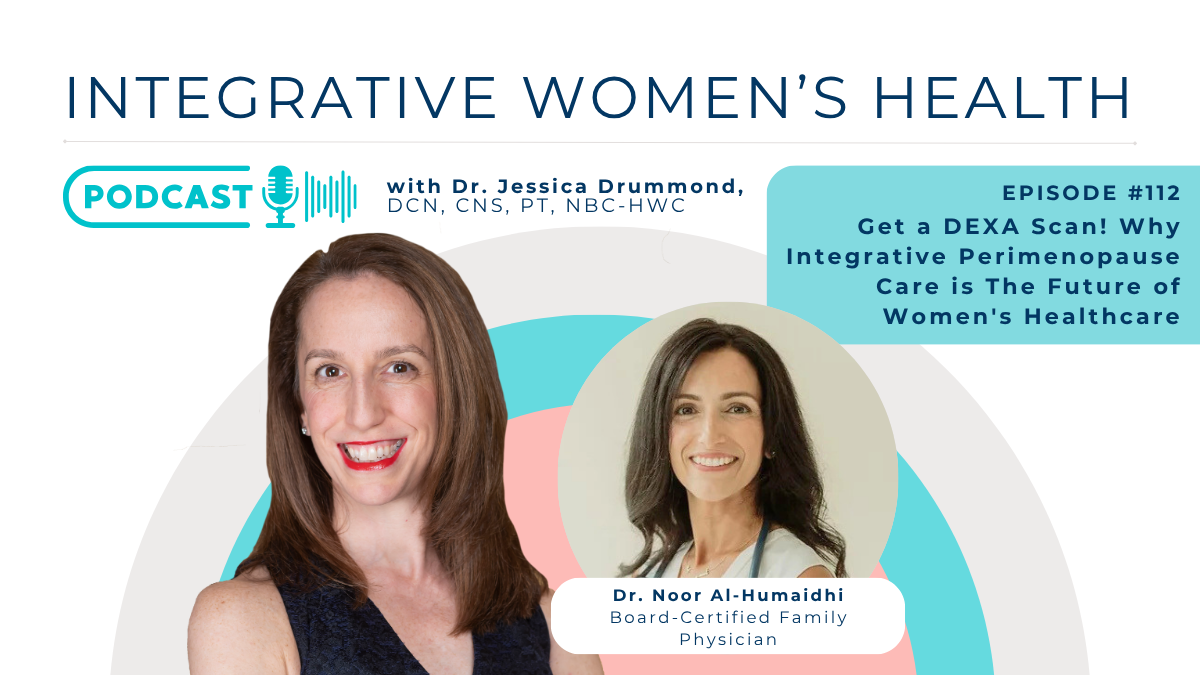
In today’s episode, I’m joined by Dr. Noor Al-Humaidhi, family physician and founder of Lifestyles by Noor, to talk about why integrative perimenopause and menopause care is the future of women’s health. Dr. Noor shares how her experience with perimenopause changed the direction of her career, what it looks like to combine hormone therapy with nutrition, lifestyle medicine, and coaching, why DEXA scans should become a routine part of midlife care, the overlooked impact of muscle loss and declining bone density, cognitive and mental health symptoms in perimenopause, caring for women with complex chronic illness, why individualized hormone therapy deserves a much more nuanced conversation than it often receives, and more.
Enjoy the episode, and let’s innovate and integrate together!
Highlights
- Dr. Noor’s experience with perimenopause and what led Dr. Noor to specialize in menopause care
- Some of the earliest mental and physical signs of perimenopause
- Why cognitive and mental health changes are often overlooked as symptoms of perimenopause
- The overlap between perimenopause and long COVID
- Why menopause care requires a multidisciplinary approach that goes beyond hormone therapy alone
- Practical strategies for reducing infectious disease risk and supporting immune health during midlife
- Why sleep and strength training are two of the most important lifestyle interventions during perimenopause
- The case for getting a DEXA scan earlier and how bone density data can change patient behavior
- Common myths about hormone replacement therapy for women over 60
- Why conversations about hormone therapy need to be individualized
- How investing in DEXA scanning transformed the way Dr. Noor cares for and educates her patients
Learn more about Dr. Noor Al-Humaidhi
About Dr. Noor Al-Humaidhi
Dr Noor Al-Humaidhi is a Board Certified Family Physician and Menopause Society Certified Practitioner. She is affectionately known as Dr Noor in the community. She grew up in Kuwait before attending medical school in Dublin, Ireland. She then moved to the UK, where she trained in General Practice and started her career. She moved to the Seacoast 7 years ago to be nearer to family and restarted her family practice career after overcoming the hurdles of Board certification here in the US.
After her own experience with perimenopause, coupled with her difficulty accessing care, she founded Lifestyles by Noor. Lifestyles is a midlife wellness destination practice. Her aim is to arm clients with the data they need to maximize their health span. She has a particular focus on women in perimenopause and menopause who are having difficulty accessing appropriate care to manage their symptoms. Her goal is to educate, empower, and help clients feel their best.
Learn more about The Integrative Women’s Health Institute’s Programs
- Perimenopause and Menopause Certificate Program
- The Integrative Women’s Health Membership
- Endometriosis Certificate Program
Ready to revolutionize your career and grow your practice?
- Integrative Women’s Health Institute on Instagram | @integrativewomenshealth
- Integrative Women’s Health Institute on YouTube
Click here for a full transcript of the episode.
Dr. Jessica Drummond 00:00:03 Hi and welcome to the Integrative Women’s Health Podcast. I’m your host, Doctor Jessica Drummond, and I am so thrilled to have you here. As we dive into today’s episode, as always innovating and integrating in the world of women’s health. And just as a reminder, the content in this podcast episode is no substitute for medical advice, diagnosis, or treatment from your medical or licensed health care team. While myself and many of my guests are licensed healthcare professionals, we are not your licensed healthcare professionals, so you want to get advice on your unique circumstances. Diagnostic recommendations treatment recommendations from your home medical team. Enjoy the episode. Let’s innovate and integrate together.
Dr. Jessica Drummond 00:01:02 Hi everyone. Welcome back to the Integrative Women’s Health Podcast. I’m your host, Doctor Jessica Drummond, and I’m thrilled today to be introducing you to Doctor Noor Al Hammadi. And I want to read you her bio. She has a really interesting backstory. She’s a physician, but she actually wasn’t trained in the United States. She was trained in the U.K. she’s a board certified family physician and Menopause Society certified practitioner.
Dr. Jessica Drummond 00:01:32 She’s known affectionately as Doctor Noor in her local community and in her large global community on Instagram and TikTok and all the things. She grew up in Kuwait before attending medical school in Dublin. She then moved to the UK, where she trained in general practice and started her career. She moved to the US, the sea coast of New Hampshire seven years ago to be near to family and restart her family practice after overcoming the hurdles of board certification in the US. And it is not easy as a foreign trained doctor to become board certified in the US. That was a huge hurdle after her own experience with perimenopause, coupled with her difficulty accessing care. She founded her own small and this is a really interesting doctor, coach and multidisciplinary practice called lifestyles. BI nor lifestyles is a midlife wellness destination practice. Her aim is to arm clients with the data they need to maximize their health span. She has a particular focus on women in perimenopause and menopause, who are having difficulty accessing appropriate care to manage their symptoms. Her goal is to educate, empower and help clients feel their best.
Dr. Jessica Drummond 00:02:45 Her Instagram handle is Ask Doctor Noor you are going to love her. I love her energy and for those of us in our multidisciplinary, coaching led mindset here at the Integrative Women’s Health Institute. I think you’re going to love the organization, the setup of a practice, how multidisciplinary it is, how integrative it is with lifestyle and modern medical hormone therapies, not just kind of lumping in essentially old fashioned hormone therapy. And the data we have from that and its impact on everything from bone density to cardiovascular and stroke, health or brain health. You’re going to hear her story. We’re going to talk about the complexity of perimenopause and menopause. And again, if you are a clinician or a coach or a health or wellness practitioner in women’s health, and you want to learn this kind of integrative perimenopause and menopause care that integrates all of it bone health, muscle health, the overlap of perimenopause and chronic illness, MCAS, autoimmunity post viral illness endometriosis. These things don’t magically disappear during perimenopause and sometimes in the perimenopause and menopause transition.
Dr. Jessica Drummond 00:04:06 We are at higher risk for some of these things, which we’re going to talk about. So if you are a women’s health and wellness professional and want to learn this kind of integrative model, join our Perimenopause and Menopause Certificate program community. You can learn more about that. I’ll put the link with the show. Let’s get into the episode with Doctor Noor. You are absolutely going to want to follow her immediately on Instagram. Welcome back to the Integrative Women’s Health Podcast. I’m your host, Doctor Jessica Drummond, and I’m here with Doctor Noor al-Mahdi, and you will know her from Instagram at Ask Doctor Noor. Welcome Doctor Noor. I cannot wait to dive into some hot perimenopause topics with you. Thank you for having me.
Dr. Noor Al-Humaidhi 00:04:56 I’m thrilled to be here.
Dr. Jessica Drummond 00:04:57 Great. So I looked through everything you’ve published online, which is quite a bit. And I think it’s really interesting that after some of your own personal experiences, you decided to focus your practice on perimenopause and menopause. And so tell us a little bit about your story, why you decided to do that.
Dr. Jessica Drummond 00:05:17 And the other thing that I really love about your practice as an institute that has globally trained people in women’s health for 20 years now across disciplines, is you also consider nutrition coaching. You have a doctor coach practice. You think about mental health. So why did you build your practice in such a multidisciplinary way?
Dr. Noor Al-Humaidhi 00:05:38 Okay. So I’ll take the first question first. So I was a family physician. I actually was trained in the UK, so I was a general practitioner and general practice in the UK. So first of all, in the UK it’s a national health service and general practice are the only doctors that are in the community. So they are forward facing paediatrics and gynecology and internal internal medicine. Those are all at the hospital. That’s what we call secondary care. So we saw a lot of pathology. I saw a lot of women, I saw a lot of children. And then when we moved to the US nine years ago now and I got reported in family medicine, it became clear to me that this was very different because we generally didn’t see the women, we didn’t see them for their gynecological problems.
Dr. Noor Al-Humaidhi 00:06:19 We weren’t talking about their periods and we didn’t see a lot of kids, so I missed that. I had done so much of it as a female GP, a lot of the patients would come and see me because I was a female GP in the practice, and I did definitely miss that, and it was a huge difference from what I experienced before in terms of my practice. But it was around Covid. I was cruising in my normal practice. It was March 17th, 2020. They closed our practice and I opened basically a Covid clinic at the hospital, what they called a respiratory clinic at the hospital. And I remember because it was Saint Patrick’s Day and I was wearing green shoes. And I have a picture of me standing with my green shoes, and we didn’t have any PPE and nobody knew what was going on, and it was all very stressful and scary. And shortly thereafter I started to have a really bad anxiety, brain fog, intrusive thoughts and I just could not sleep. I would sleep a snatch, I would fall asleep, but I just would then be awake.
Dr. Noor Al-Humaidhi 00:07:16 My eyes would open at 1130 and then I would be watching the clock until the morning. I just could not sleep and when I was awake, I was having these intrusive thoughts that somebody was in the house, that the house was going to burn down. And I was listening for sounds, and I could hear squirrels in the wall, and I was like, the heater is going to explode. I was just completely obsessed with something bad happening to us in the middle of the night. And then this brain fog. And as somebody that has done medicine and I went to med school when I was 17 years old, there’s not a test that I can’t take or a course that I can’t take. And it’s my biggest, you know, asset and ability to use. My brain left me. I couldn’t remember things. I could remember schedules I was forgetting to pay, you know, our mortgage and our was just. And that’s just not me. You know, my, I could pull things and have all the thoughts and everybody’s schedule in my brain and remember, you know, that six months ago on 29th, we such and such happened and I was wearing this.
Dr. Noor Al-Humaidhi 00:08:11 And, you know, I just couldn’t remember everything. And my idea to do that disappeared overnight. And I initially thought, okay, this is burnout. This is stress because of Covid. And then I thought, okay, maybe I have long Covid, maybe I did get Covid. And I don’t realize it, even though I didn’t actually get sick easily, I ended up psychiatry off. I just sort of went the usual, you know, like through through all the specialties of it was runny and it was a movement, you know, 3 a.m. I’m scrolling Instagram and I just something popped up on my feet. Oh my goodness, this is my hormones. And that opened up this whole can of worms for me. And I realized I started to study and I started to go to all the conferences and, you know, read every book that I could find. And I very quickly realized that I was a huge chunk of information around women’s health that had just not been taught to me. Not been presented to me in any way that was that I that was I had the ability to use in my practice.
Dr. Noor Al-Humaidhi 00:09:11 And so that a real journey of learning to try to understand what was happening to my body and in so doing, realizing that I had treated all these women and failed to treat them with actually what they needed, you know, for their joint pain or for their hot flashes, or for their insomnia or for their anxiety. And then I ended up getting I had difficulty getting hormones nobody would prescribe for me. Technically, in New Hampshire, you can prescribe for yourself. I hate doing that. And then I ended up using an online provider who prescribed for me. And it was the change was overnight. I, you know, within 48 hours I was sleeping. My anxiety was far from those intrusive thoughts were completely gone. And I, you know, I hate to think where I would have ended up if I hadn’t gotten help.
Dr. Jessica Drummond 00:09:55 Well, and I think your story being so led by both cognitive and mental health is being the strongest isn’t something that we always hear. You know, we often the kind of top line symptoms are the hot flashes.
Dr. Jessica Drummond 00:10:08 We do talk about insomnia. We talk about weight gain and things like that. But I do think it’s really important for women to be very aware and for clinicians to be very aware that sometimes the leading indicators are actually these cognitive and mental health symptoms.
Dr. Noor Al-Humaidhi 00:10:24 I think that they are. I think that they’re just not recognized. You know, I think that there for most women, I think that their cognitive ability and their mental first thing to be affected, but there’s so many other things that they blame it on all. I’ve got kids that are graduating, going through a divorce. You know, we’re empty nesters, I have grandkids, I have I have a new job. You know, I’ve been, you know, promoted, and I have this big new job or have aging parents mental health symptoms. I just think it’s to recognize it in themselves, or they blame other things, and then the people around them and their providers fail to recognize it as well.
Dr. Jessica Drummond 00:10:55 Yeah. And so I think your story is very clear, because you had such dramatic relief immediately from getting on appropriate hormone therapy.
Dr. Jessica Drummond 00:11:06 But I love your story that you were actually treating Covid. You thought you had long Covid. And I think, you know, one of the things that I’m really passionate about teaching in the perimenopausal kind of overlap. 87% of us also have something else, whether it is some of those life stressors. You were just talking about divorce, but it’s really common. Women in perimenopause are actually at 43% increased risk of actually getting long Covid, particularly if they’ve had other things like endometriosis or hypermobility syndromes. So in your practice, do you bother? Do you like well, of course you bother to teach these these things out because often it’s both.
Dr. Noor Al-Humaidhi 00:11:51 Yeah. And that’s why you spoke. You just spoke to earlier about the fact that I have a multidisciplinary team, and that’s why I have a millinery team. And because it’s rarely one thing we generally, you know, we do a big workup when the patients present. I tell people it’s not hormones, fine or it’s lifestyles, but it’s, you know, if you’re going to be part of this, I’m going to do a big workup and we’re going to uncover a lot of things, and it’s going to work to fix this.
Dr. Noor Al-Humaidhi 00:12:15 And if you’re not, you’re not prepared to do that with me. Then go to an online provider. I’m not your person. You know, inevitably we’re going to find abnormal blood sugars, nutritional deficiencies, bone density, low muscle mass. And we need every all hands on deck. So we need to be addressing all of these things in order to be able to make you feel better. The hormones. Yes. For me, the hormones from a mental health perspective were life changing. But, you know, I also have had low muscle mass and that’s taken me work to reverse that. The hormone is going to do that for me. I have to work at that. They will help me, certainly, but I have to work at that. So yes we do. Part of what we do is a really big workup and we, you know, a lot of people, when people come in and see me for the first time, they’ll say, oh, no, I don’t need a dietitian or anything.
Dr. Noor Al-Humaidhi 00:12:59 And like, nope, you do. Because once I get done with you, and when we figure out what all the things that we need to address, you’re going to need to see the dietician, and you’re going to need to see the life coach, and you’re going to need to lift weights, and you’re going to need to do all the things. And this is all, you know. And again, you’re not willing to kind of do all the things and do the work. I’m not your person.
Dr. Jessica Drummond 00:13:16 Yeah. So things we might want to think even more about is infectious mitigations. Right. Because we’re now getting so much data around particularly Covid, but also things like Epstein-Barr virus and even flu. Yeah. Even flu I still we’re very much on the same page here, which is fantastic, actually.
Dr. Jessica Drummond 00:13:39 Triggers.
Dr. Jessica Drummond 00:13:40 A lot of these root underlying causes of whether it’s autoimmune disease or chronic Inflammation. So do you have anything in your practice or things you commonly recommend to the women in your practice who are in this high risk category, which is essentially all of them, for mitigating exposures to all kinds of viruses and infections.
Dr. Noor Al-Humaidhi 00:14:02 So we do, you know, general recommendations around like travel, I do, you know, recommend generally, you know, trying it against travel. I think people feel that a lot of women need to maybe a little bit younger, have younger kids, and it’s very difficult to mitigate against not getting Covid or not getting flu or not getting all of these viruses that their kids are coming home with. So I think it’s, you know, I don’t I can’t say that I do certain things. I’m very hot on vitamin D. We do a lot of C, you know, we’re trying to make sure people are as robust as possible and going into flu season or, you know, the winter season, especially up here where we’re all it’s freezing and we’re all packed in like stars. But also, you know, I do think that it’s funny and I see this very commonly. And I said it the other day, a woman that came in that she’s been with me for a while, and she’s your typical mass sort of patient.
Dr. Noor Al-Humaidhi 00:14:54 Terrible perimenopausal symptoms. We treated her. She’s doing well. And she came to see me the other day, and she said that it’s the first winter in maybe ten years that she didn’t like. They didn’t get wiped out. She didn’t get completely wiped out by illness. So there’s we know the anti-inflammatory benefit of of these hormones. And we know that estrogen does help with a robust immune system. But when you sit in, you know, in the flesh, when somebody says, I didn’t get sick every year, I get sick and I didn’t get sick. You realize the impact that that has. And that therefore why menopausal, menopausal women are so at risk of these viruses or, you know, of these illnesses, and then the long term effects of their illness because their body is literally crying out for help fight them?
Dr. Jessica Drummond 00:15:37 Yeah, absolutely. I mean, we there’s so much data now. And like essentially estrogen being sort of the floor of metabolic support. Immune support. I was talking to my friend Isabella Wentz on a podcast episode a couple weeks ago, and she was saying, because I’m a little Becky, and that my kids are ones in college and the other is in high school, and we’ve put Hepa filters in all her classrooms.
Dr. Jessica Drummond 00:16:00 But my friend Isabella has littler kids. I think her oldest is like nine years old. And she said, that’s the one thing they did this past year was they actually had her added to his classrooms. And we’ve done that with our daughter for the last two years, and it’s been a dramatic difference. No one’s been sick for three years now in our family, so that might be a little tip like that.
Dr. Noor Al-Humaidhi 00:16:22 Yeah.
Dr. Jessica Drummond 00:16:22 So beyond the medical management of menopause and particularly supporting estrogen, of course, also progesterone and testosterone in your practice, you have this lifestyle perspective. What are some of the most important like if you’re going to priority order for a woman who is juggling middle school. High school. Moving. Divorce. Career. Like, what are the lifestyle things that you’ve seen be so important to dial in?
Dr. Noor Al-Humaidhi 00:16:53 There’s two I mean, there’s many, but the two that I think are of the highest priority are sleep and exercise. And if we could get them sleeping and and there’s multiple factors at work there.
Dr. Noor Al-Humaidhi 00:17:06 Yes. You know, hormones do help with sleep, but often they need some of that. You know, in our life coach, she does a lot of meditation and she has a very program around sleep. And we do work with some local providers that are therapists that do CBT. So sleep is a huge one. If we can get sleeping. The the downstream effect of just sleep on their stress level, on their metabolic health, their cortisol levels, on their symptoms is huge. So sleep is a big one. And exercise, people always come and say, oh no, I walk. It’s just not enough. I mean, I’ve spent my entire career taking care of older women and you know, walking is not going to cut a gut. We have to do more. And the misery of year old with a hip fracture and the frailty and inability to walk and having to use Aids because of, you know, a loss of muscle mass is just it’s so avoidable. And we’re not prioritizing it.
Dr. Jessica Drummond 00:18:03 Yeah. You know, I’ve watched my mom in the last decade ish. She’s now 7 or 8 major fractures. She’s both elbows, pelvis, femur. And she exercises. You know, she’s been exercising, but because it just wasn’t a part of their generation’s life. Really? Lift weights. You know, I think that’s such an important thing. Because even a person.
Dr. Noor Al-Humaidhi 00:18:29 Yeah, you know, we’re not looking. You know, even even. Yeah. Technically you get a bone density. Now in the US, you’re 65. Yeah. It’s not ordered.
Dr. Jessica Drummond 00:18:38 And it’s so late. Yeah. So it’s not over. So you can’t. At least it’s like you could look at it at 60. But number one, that’s so late.
Dr. Noor Al-Humaidhi 00:18:46 So late. Yeah, that’s why I bought a Dexa scanner, because nobody would listen to me. And I was like, oh, I’m just going to buy this thing and have it in my office because. And we put women as young as 35 into the Dexa scanner.
Dr. Noor Al-Humaidhi 00:18:55 And guess what we find? Low bone density. Yeah, fine.
Dr. Jessica Drummond 00:18:58 Sarcopenia 100%, 100%. I couldn’t.
Dr. Noor Al-Humaidhi 00:19:01 You don’t.
Dr. Jessica Drummond 00:19:02 Know.
Dr. Noor Al-Humaidhi 00:19:03 You know, there’s nothing like data to be a motivator. Data is a great motivator when you present somebody with the data, when you can say sorts of things like, you should do this and you should lift weights and you should, you know, but until you present them with, look, this is what your bones look like. That’s a huge motivator. It’s the same. I use continuous glucose monitors, for example. You know, I can say everything about like, you know, you should walk after you eat and you should do this and x, y and Z. You know, they listen to me and they come home. They come back the next time and they’re like, so I, I really I walk after I eat. It makes my blood sugar. I’m like, yeah, it’s just like a completely no positive reinforcement that come from having the data.
Dr. Jessica Drummond 00:19:37 Absolutely. No, I couldn’t agree more. Like if I 100% agree that we need to bring that age down to like 40. We have time. Like you said, 35, 41. We still have all some of our own estrogen at least, and more time. But also, like you said, it’s just not even though that standard of care. Even women in their 60s don’t know what their bone density is. It’s just crazy.
Dr. Noor Al-Humaidhi 00:20:00 And then the response the you know, I remember when I worked in primary care, there was a smart phrase that you had to use. So when you, you, when you went through lab results and you were, you know, signing up for I could click a smart phrase for osteopenia, osteoporosis. And it created a letter and even that, like, you know, if it was osteopenia, like, if there should be alarms ringing, there should be smoke, there should was nothing. It was like, well, you know, take some calcium, make sure you get vitamin like you should be screaming from the rooftops.
Dr. Jessica Drummond 00:20:30 And it’s not that easy. You know, you have to really build bone and muscle. It takes a concerted effort, especially at that point. So speaking about women in their 60s, one of the reasons I specifically wanted to talk to you is I love what you talk about. I think it’s really important that we address for women in six that 60 to 70 kind of range. Is it safe for them to consider HRT because they I think they really feeling kind of left behind.
Dr. Noor Al-Humaidhi 00:21:01 This is my hill, as you know. And in my opinion it is safe and that so the data around this ten year window, which is what’s often parroted to women when they’re passed, oh, it’s too late. You’re past the ten year window is the data comes from the Women’s Health Initiative. But the and similar studies which we’re looking at the use of conjugated equine estrogen taken orally, which is primarily so what they looked at was oral permanent. In the case of the I, they looked at oral amarin and medroxyprogesterone acetate, which again is not a progesterone.
Dr. Noor Al-Humaidhi 00:21:39 It is a progestin. So they looked at two synthetic. While the primary is not technically synthetic. But it’s not. It’s not human. It’s equine. So oral essentially that mimic think of HRT but are not the same as body identical hormones that we make in our body. And they use this in the study. And they showed that after that within, if you start it within ten years of menopause, you seem to reduce the risk of cardiac disease, cardiovascular disease by 30%. You reduce the risk of all cause mortality by 50%. But if you are outside that ten year window, it appears to not have that same preventive benefit. And there was a small increase in risk of stroke. It was small. Now, when we’re treating women past the age, past ten years, past the ten year window, we’re not using oral conjugated equine estrogen and medroxyprogesterone acetate. We’re using transdermal estradiol. And the difference between those two things is that CE taken orally increases your clot risk. It drives your inflammatory markers and increases your triglycerides.
Dr. Noor Al-Humaidhi 00:22:39 So yes, if you have a woman that has been without her hormones for ten years and probably has developed some metabolic syndrome, maybe a little bit of change in her cardiovascular system, then you give her oral permanent, which is a coagulant because it’s increasing your clot risk. Some of them might clot. I don’t think this is a huge surprise. That’s not what we’re doing. We have no data that suggests that transdermal estradiol increases our clot risk, or destabilizes clots or plaque and increases our risk of cardiovascular disease. But what’s so frustrating for me is that it’s this blanket use of the term HRT. No, if you’re going to go into your cardiologist and your cardiologist is going to say HRT increases your heart, no, I don’t accept that. You need to break it down. What is what is the data show what form of HRT. What are you talking about? What studies? How is that different to transdermal estradiol? I’m not going to accept your blanket statements about HRT without any nuance to your conversation?
Dr. Jessica Drummond 00:23:39 Absolutely.
Dr. Jessica Drummond 00:23:40 And I was going to ask you if that risk was more hemorrhagic or clotting based strokes, because obviously, if it’s clotting that happens with oral AstraZeneca with everybody.
Dr. Noor Al-Humaidhi 00:23:50 Yeah, exactly.
Dr. Jessica Drummond 00:23:51 Okay.
Dr. Noor Al-Humaidhi 00:23:52 And you have to wonder so they you know, they recruited women over the age up to the age of 78 right in the eye. And they gave them oral, which increases your risk from about one to maybe seven per thousand. And not that many women caught it, actually. And you start to wonder, I wonder if it still had some sort of preventative benefit. I don’t know, I can’t, you know, extrapolate that data, but I wonder.
Dr. Jessica Drummond 00:24:13 Yeah, that’s really interesting. And then to think about we, we have pools that really don’t risk increase the clotting risk at all. And then if we’re also using this tool in a full lifestyle strategy, like you’re talking about where we’re going to improve cholesterol levels, we’re going to improve, you know, inflammation, with all of the lifestyle interventions and just the transdermal estrogen.
Dr. Jessica Drummond 00:24:40 I couldn’t agree with you more. I’ve worked with several patients in that, you know, 60 to 70 window and they’re they’re strung with the exact same symptoms as women, 40s and 50s. And to leave them out without an individual risk benefit conversation is is just leaving millions of women out in the cold.
Dr. Noor Al-Humaidhi 00:25:00 I agree, and I saw a woman not that this past week she so she was coming for her follow up and she’s in her late 60s and I had seen her maybe two months ago and started her on hormones. And she over the course of the last two months, we’ve been back and forth on the portal because she has a history of hyperlipidemia, so she sees a preventive cardiologist, no history of of of cardiovascular disease events. And her PCP and both of them have been in her ear about how she’s going to have a stroke because of this tiny patch that I’ve given her, and she’s felt so overwhelmed that she’s taken it off. And she said, I’m really sorry. I just cannot cope with this noise.
Dr. Noor Al-Humaidhi 00:25:38 They’ve really scared me and I, you know, it breaks my heart because I know what the impact that’s going to have on her bones and her genitourinary system, you know, long term. But I can only present them with the data. But I get that there’s so much noise that’s just so uneducated and not nuanced and they’re afraid.
Dr. Jessica Drummond 00:25:56 Yeah. Yeah, absolutely. So your practice sounds amazing and quite rare everywhere in the world, not just in the US, but if you could think about anything that either you do in your practice that you wish you could, you know, amplify times a thousand for every community in the US or globally or that love to add to your practice that you haven’t, that you’re kind of just getting excited about now or both. what are your thoughts on that?
Dr. Noor Al-Humaidhi 00:26:27 So I that all I think the power scanner, you know when I, when I first opened, I, I looked at the Dex scanner and I was afraid of, you know, on my own, you know.
Dr. Noor Al-Humaidhi 00:26:39 And so I didn’t. I got an in-body for badness. And about six months later, I was and I wasn’t happy and that I wasn’t able to get. I was trying to get a bone density scan. I wanted them to give me the data. And I was like, you know what? Screw it. I’m just gonna buy this machine. And it was like it was, you know, as a solar provider, just starting that was seeing, you know, I had $78,000 machine.
Dr. Jessica Drummond 00:27:03 Yes.
Dr. Noor Al-Humaidhi 00:27:03 And, you know, for my mother saying, are you sure about this? I think this is a bad idea. You know, and it has been a game changer, not just for my patients, everybody, because we open it. Anybody can come and have a Dexa scan. And I think that the difference that that has made to people’s lives in learning about their own body, learning about their bone density, being able to advocate for themselves, whether it’s in their office or their rheumatologist office or wherever they are, for the care that they need because they have this data with them, has been life changing.
Dr. Noor Al-Humaidhi 00:27:34 And, you know, we actually do have a lot we more than cover our costs just with patient. We you know, we marketed to all the gyms and the Pts and the chiropractors and all the other kind of, health care services in our area. And it’s so well used that it’s it’s not a burden from a so I think if, if, if anybody’s out there and they’re kind of setting up some sort of get a Dexa scanner.
Dr. Jessica Drummond 00:27:58 I love that. And as a physical therapist, we would love to have that data on our 3544 because, you know, then we can design programs that can really help them while they’re still in that. But even if they are, you know, if we’re kind of circling back to women in their 60s and 70s, it’s never too late either. So that data, I love that.
Dr. Noor Al-Humaidhi 00:28:18 Yeah. And I’ve seen improvement. You know, there’s a lot of pushback anytime I post about it. But I’ve seen improvement in bone density with hormone. It’s the fact I see it every single day.
Dr. Noor Al-Humaidhi 00:28:28 And, you know, women come and see me and their bone density is X. And then they have a year because I do bone densities once a year and they have their on their hormones and their bone density is better. And there’s some old evidence like Aids evidence, a published data on the use of hormones. And it’s and as treatment for osteoporosis sort of all fallen by the wayside and got very hush hush with the I. But the data is there and I can tell you I see it every day anecdotally.
Dr. Jessica Drummond 00:28:53 That’s very encouraging. Anything you’d like to add to your practice if you had that unlimited budget?
Dr. Noor Al-Humaidhi 00:29:00 Not just I would love a pelvic floor physical therapist. I think that would be a huge. We’re actually moving into a new location, which has taken years off my life, but we’re nearly there. and we’re going to have more space. And that’s one of the things I’d really love to have, because we do a lot of sexual, sexual health care. We do a lot of, treatment of dyspareunia and vulva.
Dr. Noor Al-Humaidhi 00:29:21 And I think for physical therapists in house to complement, you know, would be amazing. I think it would really give us the full circle of that care.
Dr. Jessica Drummond 00:29:30 That’s fantastic. We’ll love that. All of our my fellow public. Excellent. Well, thank you so much for your time. Is there anything else you’d like to share with us before we wrap up today?
Dr. Noor Al-Humaidhi 00:29:42 No. Get a Dexa scan. That’s all.
Dr. Jessica Drummond 00:29:45 Get a Dexa scan for it.
Dr. Noor Al-Humaidhi 00:29:47 Go online. Just Google it. There’s places out there you can get a Dexa skin.
Dr. Jessica Drummond 00:29:51 Yes, well worth it. And where can our listeners find you if they want to learn more about your work or your practice?
Dr. Noor Al-Humaidhi 00:29:57 I’m online on Instagram. and on TikTok, apparently. TikTok, Instagram, YouTube as ask doctor and practice website is lifestyle. Com and then my personal website is Doctor Wellness. So we’re building that out and I hope to have newsletters and maybe some products and things like that. So lots coming there.
Dr. Jessica Drummond 00:30:17 Really really exciting. Thanks so much.
Dr. Jessica Drummond 00:30:19 It was a pleasure having you. Thanks everybody. Okay. I loved that conversation so much with Doctor Noor. I think the real takeaway for all of us is that these kinds of integrative physician collaboration with coaching, with mental health support, with fitness, physical therapy, nutrition and dietetics. This integration is the ideal future of women’s healthcare, and Doctor Noor is showing that you can do this successfully in a financial model. So if you’re curious about how to set this kind of thing up, absolutely follow her and also take our Perimenopause and Menopause certificate program. We get into all the business nitty gritty as well in there, but I think the thing I want you to just take away that kind of one soapbox clinical nugget from today’s conversation that you can apply in your practice immediately tomorrow is to really start helping women in their 30s, 40s. 50s the younger the better. Older is never too late. But thinking about their bone density and their muscle strength, we talk a lot. You know, cognitive symptoms, insomnia, metabolic symptoms really bother women.
Dr. Jessica Drummond 00:31:46 But sometimes silently underneath their their bone density is absolutely disappearing. They’re losing muscle because it takes real attention to bone density. And it’s so silent for so long that finding them a Dexa scan, getting that motivation to bring in a fully integrated approach of hormones, specifically estradiol fitness, particularly specific kinds of strength training, not just walking and nutrition that is well absorbed. So looking at the gut health and gut microbiome, how well are those amino acids actually being broken down and absorbed so they can help build muscle and bone? Helping women do this in their 30s, 40s and 50s is so much easier than when they’re older, but it’s never too late. So your take home for tomorrow get your clients a Dexa scan no matter how old they are. Thanks so much for being with me this week. I’ll see you next week.
Dr. Jessica Drummond 00:32:56 Thank you so much for joining me today for this episode of the Integrative Women’s Health Podcast. Please share this episode with a colleague and if you loved it, hit that subscribe or follow button on your favorite podcast streaming service so that we can do even more to make this podcast better for you and your clients.
Dr. Jessica Drummond 00:33:21 Let’s innovate and integrate in the world of women’s health.
Join Dr. Jessica Drummond to learn proven strategies to confidently address perimenopause, menopause, and chronic conditions while growing a profitable and impactful practice.
Discover proven strategies to attract high-value clients, deliver transformational results, and position yourself as a sought-after expert in this rapidly growing field.
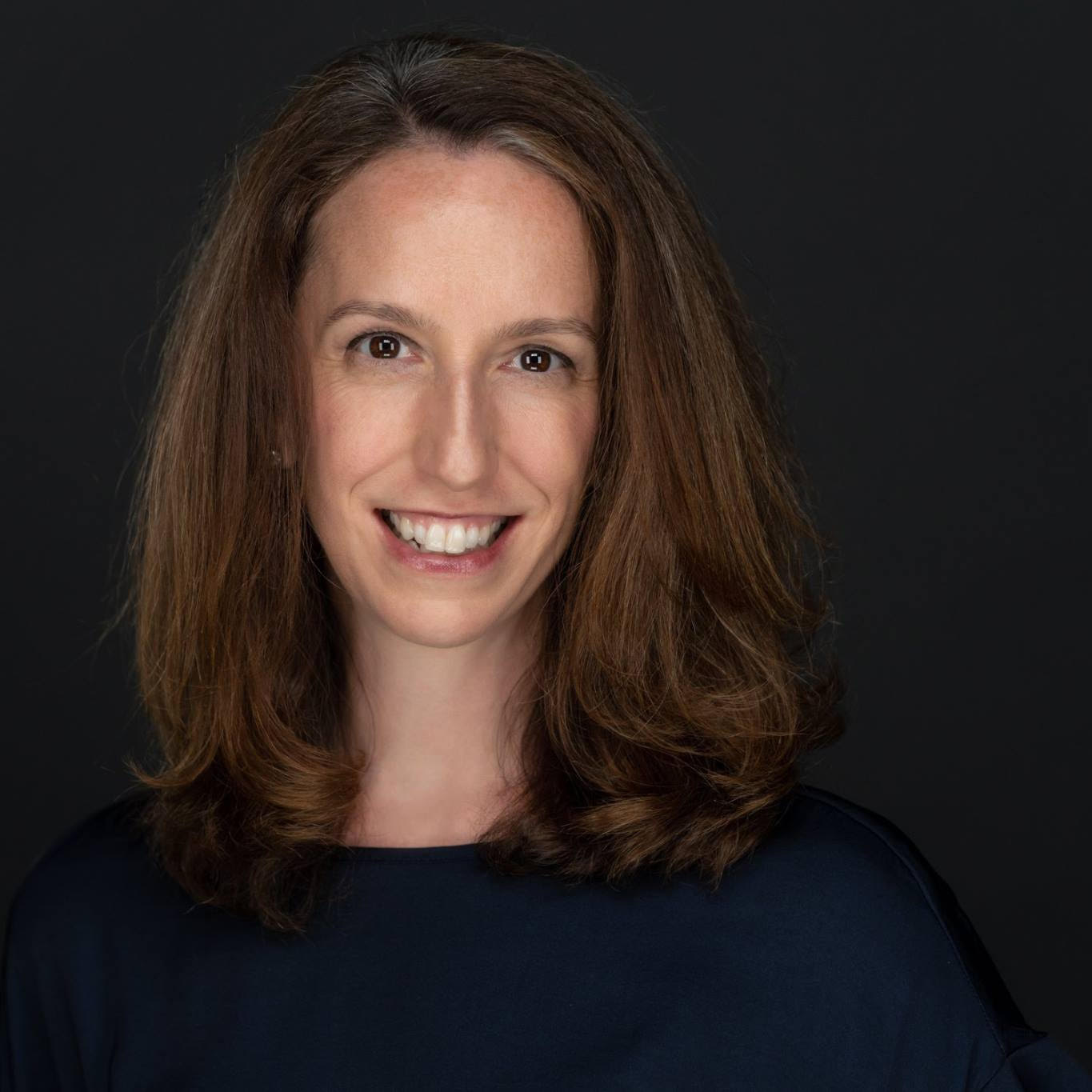
Dr. Jessica Drummond
Founder & CEO
The Integrative Women’s Health Institute
At the Integrative Women’s Health Institute, we’ve dedicated 17 years to crafting evidence-driven, cutting-edge programs that empower practitioners like you to address the complexities of women’s health.
Dr. Jessica Drummond’s unique approach focuses on functional nutrition, lifestyle medicine, movement therapies, nervous system dysregulation, trauma, and mindset – essential elements often overlooked in traditional health education.
In addition, your training will be fully evidence based, personalized, and nuanced (this is not a cookie cutter approach) in functional nutrition, exercise, recovery, cellular health, and all other lifestyle medicine tools.
You’ll learn to support your clients with cutting edge tools safely and effectively.