Follow Us for Free:


About the episode
“The more you know about how things operate in your body, the better decisions you can make.” – Tierra Duncan
Hormonal birth control is one of the most important tools in modern women’s healthcare. It has expanded autonomy, protected reproductive choice, and helped many women prevent unwanted pregnancy. But somewhere along the way, it also became the default answer for a wide range of symptoms, often without enough conversation about why those symptoms are happening in the first place, what tradeoffs may exist, or what other options might better support that individual woman.
For practitioners, this is where nuance matters. Painful periods, acne, bloating, cycle irregularity, endometriosis, PCOS, and perimenopausal symptoms don’t emerge in a vacuum. They can reflect inflammation, metabolic dysfunction, nervous system stress, nutrient depletion, sleep disruption, or broader hormonal shifts. Sometimes birth control may be the right tool. Sometimes it may be one tool among many. And sometimes what’s most needed is a deeper investigation into root causes rather than symptom suppression alone.
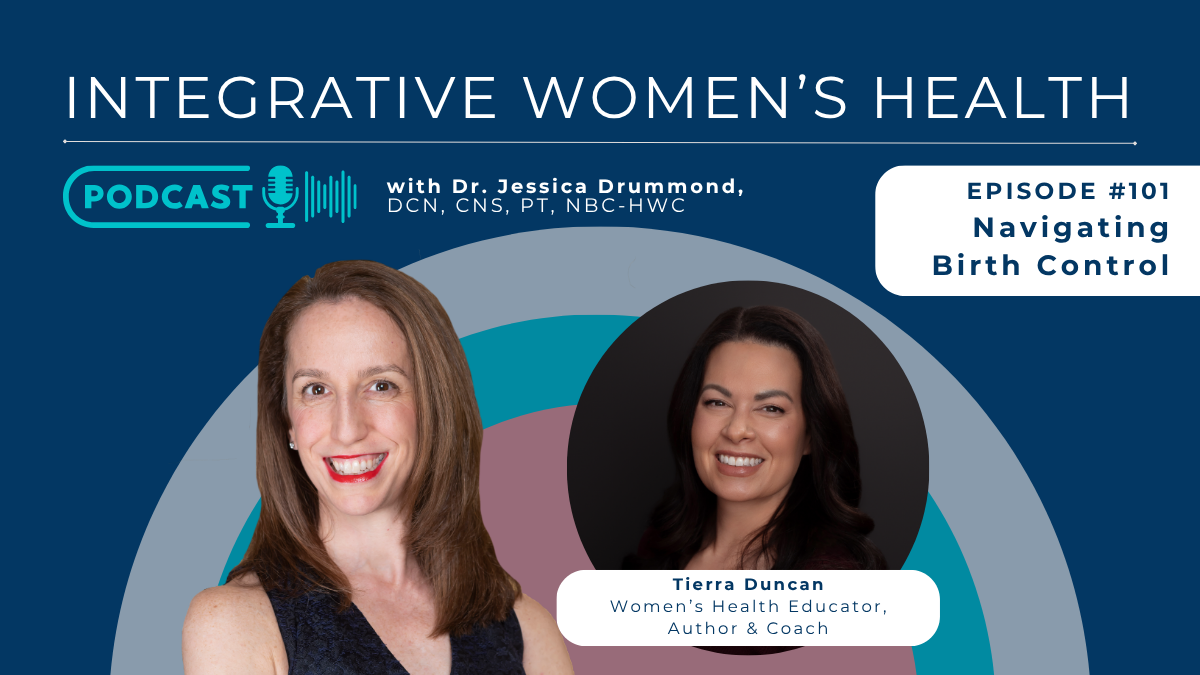
Today I’m joined by Tierra Duncan, author of The Birth Control Illusion, to talk about informed consent, hormonal literacy, and helping women make empowered decisions about contraception and symptom care. We also talk about the often-overlooked role of lifestyle medicine in supporting symptoms that are too often treated as if birth control is the only answer.
In this episode, Tierra and I discuss how hormonal birth control works, common misconceptions about withdrawal bleeds and hormone suppression, potential impacts on mood, bone health, and nutrient status, how different birth control options can affect women differently, and more.
Enjoy the episode, and let’s innovate and integrate together!
Highlights
- Why birth control is prescribed for issues beyond pregnancy prevention
- What led Tiara to research hormones and birth control more deeply
- The benefits of hormonal birth control and why informed consent matters in every decision
- Common risks and misconceptions about birth control use
- How hormonal birth control works in the body
- Why synthetic hormones can affect the body differently from natural hormones
- Mental health concerns linked to hormonal birth control
- What women should understand about birth control use during perimenopause
- Why symptom suppression is different from addressing the root cause of hormonal issues
- How to choose the right birth control option for you
- How better menstrual health education can close major gaps in women’s health literacy
Learn more about Tierra Duncan
- Tierra Duncan’s Book | The Birth Control Illusion: Reclaiming Hormones, Health, and Your Cycle
- Tierra Duncan’s Website | TierraDuncan.com
- Tierra Duncan on Instagram @tierraduncanauthor
- Tierra Duncan on YouTube @tierraduncanauthor
About Tierra Duncan
Tierra Duncan is a women’s health educator, author, and longtime coach focused on helping women understand their hormones and feel confident in their bodies. Her work blends physiology and practical application to make hormone health clear, accessible, and grounded in real life. With over a decade in fitness and nutrition, she bridges the gap between complex biology and everyday women’s health.
Learn more about The Integrative Women’s Health Institute’s Programs
- Perimenopause and Menopause Certificate Program
- The Integrative Women’s Health Membership
- Endometriosis Certificate Program
Ready to revolutionize your career and grow your practice?
- Integrative Women’s Health Institute on Instagram | @integrativewomenshealth
- Integrative Women’s Health Institute on YouTube
Click here for a full transcript of the episode.
Dr. Jessica Drummond 00:00:03 Hi and welcome to the Integrative Women’s Health Podcast. I’m your host, Doctor Jessica Drummond, and I am so thrilled to have you here. As we dive into today’s episode, as always innovating and integrating in the world of women’s health. And just as a reminder, the content in this podcast episode is no substitute for medical advice, diagnosis, or treatment from your medical or licensed health care team. While myself and many of my guests are licensed healthcare professionals, we are not your licensed healthcare professionals, so you want to get advice on your unique circumstances. Diagnostic recommendations treatment recommendations from your home medical team. Enjoy the episode. Let’s innovate and integrate together.
Dr. Jessica Drummond 00:01:02 Hi and welcome back to the Integrative Women’s Health Podcast. Today we have an awesome guest for you. I will be hanging out today with Tiara Duncan, author of The Birth Control Illusion. And we’re going to have a really fun conversation about why birth control. And I think the title of this book is really valuable is sort of used illusory to sort of solve every problem that women have.
Dr. Jessica Drummond 00:01:31 And we don’t really get into the historical aspect of that. But we talk about why it’s always just the answer is birth control, rather than thinking about what are the risks, what are the benefits, who is this most useful for? What is some of the criteria to decide which kind of birth control is most valuable for this woman to have access to pregnancy prevention? What are some of the lifestyle tools that are really effective for some of the conditions and system dysregulation, that birth control is just sort of constantly used as the answer to. So listen to this conversation. And when we meet on the other side, we’re going to come up with one thing to do in your practice tomorrow right after you’re listening to this, on your little walk at lunch, you know, with your next client or yourself or maybe your daughter, we’re going to talk about how to think about hormonal birth control, non hormonal forms of birth control, and how to help women be more empowered in their decision making about birth control. Let’s dive in.
Dr. Jessica Drummond 00:02:44 Welcome back everyone to the.
Dr. Jessica Drummond 00:02:45 Integrative Women’s.
Dr. Jessica Drummond 00:02:46 Health Podcast. I’m your host, Doctor Jessica Drummond.
Dr. Jessica Drummond 00:02:49 And I’m.
Dr. Jessica Drummond 00:02:49 Excited to be talking to Tiara.
Dr. Jessica Drummond 00:02:52 Duncan of the Birth Control Illusion. I’m really excited to talk about in this era in history of what we need to be thinking about for ourselves, our clients, and to some extent, many of the clients and practitioners in our community. We have a lot of physicians, pelvic Rehab, OTS, TS, NPS, PA, acupuncture, midwife, doula. So people that work with women through the entire lifespan health coaches, fitness professionals, yoga teachers. So when we think about hormonal birth control or non hormonal forms of birth control, I think what’s so fascinating about this book is that the wave approached it. Is that because our corporate health care system really squeezes professionals in a very short periods of time, very often just an offhanded recommendation will be for hormonal birth control for a wide swath of issues. And so I think we need to have start really having broader conversations about this.
Dr. Jessica Drummond 00:03:59 So welcome, Tierra.
Tierra Duncan 00:04:01 Thank you for having me. Yeah, I’m excited to talk things all birth control.
Dr. Jessica Drummond 00:04:05 Yeah. So what brought you to this topic?
Tierra Duncan 00:04:10 Yeah, I have had my personal experience with birth control. I also have worked with a lot of women in the fitness nutrition space, and I found myself having a lot of the same conversations a regular cycles, painful periods, bloating, all these things. And I found that we weren’t connecting the dots. They were quote unquote doing everything right, but still weren’t understanding how their bodies functioned. Same with myself. And so I sat down one day and I said, I need to educate myself on the sex hormones, on estrogen and progesterone. Testosterone. What are they actually doing to my body, how they operate in my body, and how does birth control impact that? How do lifestyle factors impact that? So I started doing research so I could be better for my clients and also better for myself.
Dr. Jessica Drummond 00:04:58 Yeah. And so when we think about hormonal forms of birth control, obviously the invention of hormonal birth control has been fabulous for women in the sense that it’s really opened opportunity, financial independence, lowered risks of pregnancies that were unwanted.
Dr. Jessica Drummond 00:05:17 And in this day and age, where we have reversed the gains from Roe v Wade, where women’s health care is actually at risk in a lot of places, I think it’s given us a lot of it’s actually saved lives, but it’s not like a magic tool for everything. And so what are some of the risks of hormonal birth control that when we just use it in general to suppress hormones due to symptoms, what are some of the things that we’re risking or potentially making trade offs that women aren’t generally aware of.
Tierra Duncan 00:05:55 Yeah, I want to touch on that, because I think sometimes when you talk about the trade offs of birth control, there’s a desire to be like, this has helped me have sexual independence, have freedom, have those things. And I want to make it really clear that the conversation about this has nothing to do with as far as the independence that women have gained through the use of it. It really is about informed consent. So there’s no judgment. It’s more about if you’re experiencing symptoms or things are happening in your body that you don’t understand.
Tierra Duncan 00:06:26 You should have the place in the space for education. The more you know about how things operate in your body, the better decisions you can make. And maybe for you, that’s the decision of instead of taking the pill, I take an IUD. Instead of doing a hormonal IUD, I do a copper IUD, or I just use condoms, or there’s all kinds of methods. Yeah. So I really want to emphasize that the the point here is not to demonize birth control. It’s I was on it for 14 years. The point really is to recognize what’s going in our body, because some methods of birth control can lead to vitamin deficiencies. There’s been some studies on anxiety and mood disorders. You know, you’re not ovulating. There’s a big misconception that if you have a withdrawal bleed, that’s your period. And synthetic hormones do not act on our body the same way as our endogenous hormones.
Dr. Jessica Drummond 00:07:23 And so, for example, if you’re using oral hormonal birth control, the mechanism of that tool is actually hormonal suppression.
Dr. Jessica Drummond 00:07:34 Right. You’re adding sex hormone binding globulin. You’re suppressing estrogen and to some extent progesterone actually both and testosterone. And so we do know from the research. The goal is to limit women’s ovulation. So they’re not technically having a period there more having a withdrawal bleed from the little bit of hormone that’s given back. One of my favorite analogies for this was created by Doctor Goldstein. Not Irwin Goldstein, but his his colleague on the East Coast. They’re both named Doctor Goldstein. But this idea that they’re both one of the earliest public pain physicians and the idea that some women have Prius estrogen receptors, some have Hummer, or I guess you could say g wagon these days, estrogen receptors. And some women just genetically need more estrogen to have healthy vulva function, to have healthy mental health, because there are 300 locations in the body where there are estrogen receptor. Some women do absolutely fine with just a little bit there. Your hormones are bound up by the sex hormone binding globulin. Then you get just a little bit of estrogen.
Dr. Jessica Drummond 00:08:47 But for the women that have those Hummer or G wagon receptors. What are some common symptoms that can often be brushed off, and that I think we need to look for as women’s health and wellness professionals?
Tierra Duncan 00:08:59 Yeah. Yeah, absolutely. So going back to the vitamin deficiencies B vitamins, magnesium or some of the common ones, even things like PMS is something that is very common, but not always necessarily normal. So having extreme feelings of like breast tenderness when you’re on the pill or headaches or nausea, we get that looped in as to being normal symptoms, but you really shouldn’t. Your body’s responding to that imbalance. Right. Because estrogen, synthetic estrogen and estrogen don’t apply to the body the same way. Right.
Dr. Jessica Drummond 00:09:37 What are some of the differences?
Tierra Duncan 00:09:39 Yeah. So estrogen responds to estrogen receptors right. Same with progesterone. But when you have synthetic progestin and synthetic estrogens they can actually bind to other receptors in the body. And that’s why you get some of those widely varying symptoms, right to, again, to include the mood disorders for some women.
Dr. Jessica Drummond 00:09:58 Yeah, I think that mental health aspect of it is one that’s really important because there is some good data on suicide risk in teenagers on hormonal birth control. And I think this is just, again, something that women, kids, women, young girls and their parents need to be aware of because it’s such a high risk time in general that essentially, if those receptors are not being appropriately bathed in estrogen and even synthetic estrogen to some extent can act in the same way. But a lot of times it’s just not dosed well, it’s not dosed enough for the very reason that you’re trying to suppress ovulation. And so those brain side effects, I think, are something that really need to be. Women need to be aware of in the same way that in perimenopause when estrogen is low or postpartum when estrogen is low. We expect mental health issues, but I think that one of the big misconceptions among the public is that when you’re on hormonal birth control, there are actually adding hormones. But the reality is the level of hormone is actually coming down.
Dr. Jessica Drummond 00:11:04 They’re just adding in enough that if you have those genetically pre receptors, you’re functioning better, but it’s not the level you would have had as a pre menopausal woman who was ovulating.
Tierra Duncan 00:11:19 Yeah. And to go to your point about teenage and young women, 1 in 4 women are on some sort of hormonal birth control. And the average like starting age is within the teen years I think. Last time I looked I think 16 or 17, that between 16 and 25 we are we need to maximize our bone density. And estrogen and progesterone and testosterone are all so powerful. They don’t just. It’s not just reproductive. Our brain health, the way that we think, our synapses, our digestion. And I talked about our bones, our liver health, all of these things. It’s the entire system is impacted. So the question comes into when you start replacing your natural hormones with these synthetic hormones, how systemic is that change going to be. And that’s going to depend on the person. Right. But for doing this at such a young age.
Tierra Duncan 00:12:17 And then now you get off of it and now you’re going to perimenopause, you’re starting at a huge deficit where you didn’t get to maximize and optimize those hormones. When you were a teen and a young woman.
Dr. Jessica Drummond 00:12:27 I think bone density is really under discussed. And it because we generally don’t see the effects of low bone density until women are in their 70s, 80s and 90s. But women who have fractures in their mid to mid 70s and above, that’s the number one cause of death in women of that age group. And yet we don’t talk about it until they get there where it’s much too late. So I think this is a really important point to start girls in. 12 1416 2025 this is your window of having appropriate levels of estrogen and healthy vitamin D and healthy nutrition, protein, high mineral foods.
Tierra Duncan 00:13:13 Resistance training.
Dr. Jessica Drummond 00:13:15 Strength training 100%. This is the opportunity that I think is one of the biggest reasons that I think everyone should have this conversation, even if they’re not having side effects that they can be aware of.
Dr. Jessica Drummond 00:13:27 But when we deliberately lower estrogen for a decade, it will have bone impacts.
Tierra Duncan 00:13:33 Yeah. And I being 40 something that I’ve experienced with my girlfriends and women, 40 and 50 is even in perimenopause they will prescribe birth control, right? You’re starting to get that dip in estrogen progesterone. And you’re having these symptoms. And it’s prescribed as something to help with the symptoms. Right. Or regulate your cycle. But that’s not what’s happening. You’re masking what’s happening in your body. And I think and again it may be the right decision for you if that’s what you choose. But you have to really understand those trade offs as you are transitioning into menopause.
Dr. Jessica Drummond 00:14:06 And I think that’s really why it’s so important to understand the mechanism. Right. Because of course it could help your symptoms. It’ll just bring them lower but steady, which can feel better. But then it’s a question of do you want them lower and steady or you want them back, as we would use medical hormone therapy to bring them back to a more I would not say physiologic dose, but a little bit higher and somewhat more steady.
Dr. Jessica Drummond 00:14:31 So less of a dip. And those two strategies are opposing mechanisms. So I think understanding those mechanisms well they might impact symptoms. Similarly, it really does impact your physiology quite differently.
Tierra Duncan 00:14:47 Yeah. And I think having gone in with the experience of birth control and having IUD removed and all those things, there was never a conversation about lifestyle as far as, okay, we’re going to put you on this birth control for these symptoms. But have you ever considered stress management if you’ve ever thought about your sleep? I was diagnosed with endometriosis at 17, and we know now that it’s a very inflammatory disease. Right. It’s full body. If there had been more thought or conversation about what’s going on with your prostaglandins, what’s going on with the inflammation as opposed to here you go, take birth control. Those lesions don’t go away just because you’re on synthetic hormones. So lifestyle truly has a huge impact. And I want women to know that if they’re having a lot of these symptoms, not just on birth control, just in general, and you’re looking to birth control, I would also look at lifestyle factors and work with somebody that maybe understands both of those mechanisms to try to get you in a good place.
Dr. Jessica Drummond 00:15:47 Yeah, that’s so true. Because one while you can sometimes, not even always, it’s only about 15 to 30%, but sometimes suppress symptoms related to either endometriosis or general painful periods. You’re not getting to the why of those symptoms. And in perimenopause is a little bit more direct because essentially this is a hormonal transition, but it’s also a metabolic transition. It’s a neuro immune transition. It could be an inflammatory transition. So as practitioners, I think we have to be more responsible than just quieting symptoms. We have to be becoming more and more aware. I was just on a call with our students right before this, and we were trying to unravel a case around perimenopausal sleep challenges. And so rather than being like, what supplement do we take or what medication do we take? It’s a matter of what has gone wrong with the sleep architecture. Is it circadian rhythm? Is it adenosine rhythm? Is it low absorption of precursors to Gaba? Is it sympathetic nervous system upregulation. Is it blood sugar dysregulation.
Dr. Jessica Drummond 00:16:59 And I think it’s the same kind of conversation we need to have with symptoms related to hormone dysregulation at any age. So let’s say your your client is 15 isn’t looking for hormonal birth control for the sake of birth control, but has acne, for example. Then circling back to lifestyle strategies, there’s a lot we can actually do to address the true problem rather than just suppress the symptom.
Tierra Duncan 00:17:30 Yeah, absolutely. I was just thinking of conditions like PCOS type of acne, and that’s such a difficult condition to have. And again, it goes a lot to what are some of the lifestyle factors that may or may not help with some of the androgen kind of excess that’s happening there? It sometimes I find it to be almost very not simple, but more simplified than what people are looking for. Like, how about your fiber or your right? Or is your liver? Are we overloading it? Is it functioning the way it needs to? How about your sleep hygiene? Going back to your sleep? Are you sleeping with the TV on having inconsistent sleep and wake times? I think sometimes we look for a more complex answer, when sometimes it can be very small changes that make a significant difference.
Tierra Duncan 00:18:18 But you’re not going to know that unless you understand how these things actually work. What is sleep? What is protein? What is estrogen?
Dr. Jessica Drummond 00:18:25 Yeah, and I love that. I think when we think about a lot of these chronic inflammatory conditions, whether it’s in any obviously estrogen interacts With metabolism and with the immune system and with inflammation. So a lot of the. Quote unquote, problems that birth control will solve are related to those systems being out of whack. Like you said, when it comes to acne or PCOS or metabolic dysregulation or even mental health stressors. Something as simple as optimizing fiber, optimizing sleep hygiene, sleep schedule, getting people not constipated. Hydrating them really can make a dramatic difference, which I think is hard for people to understand. It seems like sometimes those tools are too simple and that they need a medication or a supplement stack. But in our experience here at the Integrative Women’s Health Institute, like the Foundation of Health, those basics of fiber and sleep and hydration and a little bit of time outside is what almost everyone skips.
Tierra Duncan 00:19:38 Yeah, it’s not the sexy stuff, right? It’s not the specialized diet plan. Like you said, it’s not the supplements diet. It’s. Yeah, that’s the conversation that I have a lot with people looking for personalized care. And really, when I start saying, okay, why don’t we go for a 20 minute walk in the sun three days a week? Let’s just start there. That’s not enough. That’s not enough. I’m like, let’s start there. If we’re not walking at all. So let’s just start there and see where we go and see how we feel. And also that change takes time. If your system’s been dysregulated for a decade or more, you can’t expect metabolic dysfunction to just go away because you because you cut out soda for three days or whatever. It’s not the most exciting answer to give people, but it really comes down to the small changes.
Dr. Jessica Drummond 00:20:26 Yeah, and I think that comes back to your idea of framing this as like an illusion, right? This idea that hormonal birth control is actually solving these problems when in reality that’s an illusion.
Dr. Jessica Drummond 00:20:38 In almost every case it solves. It is a hormonal oral birth control is a very effective tool for birth control, if that’s the goal.
Tierra Duncan 00:20:46 Absolutely, absolutely. Pregnancy prevention is your goal. It’s a pretty well proven studied tool for pregnancy prevention. But if you have endometriosis, PCOS, acne, bloating, you have other things and you’re not necessarily using it just for pregnancy prevention. There may be better options that don’t have the trade offs where you’re not at full estrogen and progesterone levels.
Dr. Jessica Drummond 00:21:12 Yeah. Where you’re where you’re actually not blurring the underlying cause, but you’re actually addressing the underlying cause. And I think the other thing to mention is of course you can do both. So let’s say someone has has a clear desire for pregnancy prevention and they have underlying PCOS. We also can at the same time optimize or improve metabolic health. We can address fiber and gut microbiome health. And I think that’s the real exciting thing to me is like, we have these tools and we have these lifestyle strategies. We have nutrition strategies that can also support actually improving the root cause issue.
Dr. Jessica Drummond 00:22:00 Now, I wanted to ask you one of the question related to the book. So it’s not just oral hormonal birth control that has some of these challenges and side effects and kind of lack of getting to the real solution that we want to get. But you mentioned there are many other forms of birth control. So in the current day and age, we have a lot of options. What are some of the things you help your clients think about when they’re deciding which pregnancy prevention tool to use for themselves, no matter how will they are?
Tierra Duncan 00:22:32 Yeah. So specifically with hormonal options. Right. There’s vaginal there’s transdermal patch. The ring for vaginal, the patch for transdermal. There’s the hormonal IUD. And dosing dosing. Excuse me. Varies application varies for all of those. So it’s like a consideration for the vaginal ring. For some women is it can affect the vaginal microbiome. For some women it’s not a great option because they find that they have more yeast infections or ve other women. With the hormonal IUD, there might be discomfort with the implant.
Tierra Duncan 00:23:05 I know for me, getting it removed was excruciating. But for the idea that’s progestin, right? So that’s not synthetic estrogen and synthetic progesterone whereas the combined pill is. So for some women they may have less side effects. They may feel better. There’s you don’t necessarily stop ovulation, although in some cases your uterine lining gets so thin that you really don’t have a period, so we got to take all those things to consideration. How does your body respond to these different synthetic hormones? At what dosing? And then what is your lifestyle and stress and all those other things look like. So. Unfortunately there’s not like a one for one answer, which I know. Obviously you work in this field. There’s no simple answer for everybody. Yeah, it’s really going to be dependent on the person and how they respond and what their goals are.
Dr. Jessica Drummond 00:23:57 Yeah, and I think that’s wonderful. There’s absolutely not one answer. But I do think there’s a set of criteria as you were walking through. Is it a desire that you no longer cycle? Do you care about ovulation? How does your body feel with this tool or a different tool? Do you struggle with chronic inflammation? Because we do know that the copper IUD can increase inflammation.
Dr. Jessica Drummond 00:24:18 So we need to be careful with that. Actually might be better to use a hormonal version in that case. But for others they don’t respond well to hormones or it modifies their gut microbiome too much. So they do much better with a copper IUD. Maybe it’s barrier methods because they also need protection from sexually transmitted infections. So I think what kind of relationship are you in. Things like that.
Tierra Duncan 00:24:40 Yeah. And the kind of work you do and all the all those things. Definitely. Yeah, it’s a lot of factors to consider.
Dr. Jessica Drummond 00:24:48 And I think that’s one of the challenges for having to navigate a five minute appointment or a seven minute appointment, whether you’re the practitioner or the patient, you don’t really have time to walk through all of those different options. So that’s where I think health coaches add dramatic value to the system, because you have this time to educate people and they can read books like yours. Then they have more targeted questions. They can navigate those with health educators, health coaches and other allied health professionals who have more time with their patients.
Dr. Jessica Drummond 00:25:25 I’m sure that the average gynecologist would love to sit down and really go through all your options. She has maybe 15 minutes max.
Tierra Duncan 00:25:33 Yeah, that’s an unfortunate kind of byproduct of the system. But yeah, I do have four readers. There are questions to ask your doctor after each chapter, and that’s exactly for that. Right. So that you can go in and go, okay, these are the five things that I really just even if I have those 15 minutes, these are the five things I really want to address before I make any decisions. Yeah, I hope that empowers some women to to feel like I can go in and have a little bit more confidence in that appointment.
Dr. Jessica Drummond 00:25:58 I love that. So anything else that’s in your book that you really want to highlight that you think is a great resource for women who are just navigating this themselves or their health or wellness professionals?
Tierra Duncan 00:26:10 Yeah. The only thing I want to highlight is the importance of just a menstrual cycle. As far as I didn’t know when I started and what a menstrual cycle really was, I didn’t know for a long time that wasn’t something that I learned in sex education and just the importance of it.
Tierra Duncan 00:26:26 If you’re in within those reproductive years, what it really means. And again, if you’re looking to not have a cycle, that’s totally fine, but at least having that information and making those decisions. So yeah. So the book addresses sex hormones, the importance of your cycle, how birth control impacts it, and then lifestyle factors that can help you with things like inflammation and metabolic dysfunction and all that type of stuff. Yeah, I just I wish it was a guide that I had when I was starting out and trying to learn about my body. And I do talk about perimenopause and menopause as far as how estrogen and those things change within that too. It’s not a guide necessarily for that portion, but just the educational resource.
Dr. Jessica Drummond 00:27:11 I love that, and I agree with you. I think we really are seeing a problematic dissolution of any sex ed, never mind really skillful reproductive education. So I think resources like yours are really filling the gap that even parents could get for their tween and teenage daughters to really help them to understand this.
Dr. Jessica Drummond 00:27:32 And sometimes the parents themselves need to get educated before they can teach this. So more resources on the menstrual cycle, I think are desperately needed. Thank you so much for putting the work in. I know how difficult it can be to actually get a book completed and out there, so thank you for doing that work. Anything else you’d like to share and where can our listeners find you?
Tierra Duncan 00:27:55 So I have my Instagram. Tierra Duncan, author. My YouTube is here. Duncan author I share all kinds of resources on there for free. My website tiara Duncan comm and then the birth control illusions available on Amazon. All formats you can do audible, hardcover, book, whatever, whatever your preferences.
Dr. Jessica Drummond 00:28:16 I love that. Thank you so much for being with us today, Tara, and keep spreading the word about the benefits and risks of birth control and helping people to utilize all these tools more healthfully.
Tierra Duncan 00:28:31 Thank you so much.
Dr. Jessica Drummond 00:28:36 As I said, it was.
Dr. Jessica Drummond 00:28:37 Wonderful.
Dr. Jessica Drummond 00:28:38 To talk.
Dr. Jessica Drummond 00:28:38 To Tierra.
Dr. Jessica Drummond 00:28:39 Duncan.
Dr. Jessica Drummond 00:28:40 Author.
Dr. Jessica Drummond 00:28:41 Of The Birth Control Illusion. She is an author and a speaker. She also has a YouTube channel. I recommend you check it out. And I think her work is just super helpful for bringing the conversation about hormonal birth control down to a patient level. You know, here’s the reality women and teenage girls and tween girls in 2026 are not generally being taught about their health, their gynecologic health, their menstrual cycle health. Women of all ages absolutely have huge gaps in their knowledge and education about the basics of lifestyle medicine to support their menstrual, hormonal, gynecological health. And that’s a huge problem. And it’s part of the reason why women with endometriosis, with PCOS, with fertility issues, with period pain are with sexual pain are missing school are plateauing and actually falling out of the workforce with disability. They’re becoming even financially insecure because they do not have good education about the basics of their health. Now you as a women’s health and wellness professional, are absolutely filling those gaps, but you probably have less time with each of your clients than you want to really just slow down and give them education.
Dr. Jessica Drummond 00:30:03 About the basics of the menstrual cycle, what hormonal birth control is, what it does, what other options there are, what’s the difference between hormonal IUDs and hormonal oral contraceptives? What’s the difference between hormonal IUDs and copper IUDs? What’s the difference between hormonal rings, birth control rings, and oral contraceptives. We have to be getting into the nitty gritty because I think the stakes are higher than ever. You know, we’ve lost Roe v Wade. We’ve lost women’s health care, access to a lot of women’s health care, not just abortion care, but even emergency room care for pregnant women in some states in the US. The risks are high for women getting pregnant and the tool of oral contraceptives, or hormonal IUDs or copper IDs or other forms of hormonal birth control are not always the one size fits all solution that is in kind of the gynecologic zeitgeist. Right. And of course, you know that you’re a women’s health and wellness professional, but I want you to maybe slow down for a minute and come up with some criteria.
Dr. Jessica Drummond 00:31:15 And you can use this book as a guide. The real basics of education, like basic lifestyle things that all of us forget about sometimes for your practice, for your work. Do you have somewhere in your work or your practice where you’re filling in the gap about this basic hormonal education? And maybe it’s one client a time at a time, maybe it’s a quarterly workshop for your clients and their daughters to simply learn, like what is the menstrual cycle? How? When? What’s day one? How long does a period last? Then what is the impact of hormonal birth control? What are the benefits? What are the risks? Who can most benefit from birth control of different types? How to make the decision about what birth control option is best? Do they even need birth control, or do they actually need something else to solve their problem? Maybe pregnancy prevention isn’t the goal and they don’t even need birth control, but there’s a lot of other options to help improve. So whatever issue it is that they’re struggling with.
Dr. Jessica Drummond 00:32:16 So I want you to think about that. Is your practice in any way helping to fill the gap that optimize ideal gynecologic education, which in my experience, has never happened in a broad way in all public schools or private schools. It’s just not something that is well taught basically anywhere and never has been, but is becoming less and less and less. My college age daughter recently told me that her friends that grew up in Tennessee, where she goes to college, literally there was not one sex ed class ever in their public schooling. This is a huge gap to fill and I think it’s a community service. If you provide this education in some form and maybe it’s through YouTube videos, maybe it’s through sharing Tyra’s work, maybe it’s through, you know, hosting a training like that or a workshop. Maybe it’s just one person at a time. But let’s expand menstrual health literacy. Pregnancy prevention, healthy pregnancy. Literacy and lifestyle. Health for menstrual health. Starting as young as we need to. To help mothers and daughters and parents and daughters learn how to stay healthy through all phases of their lives.
Dr. Jessica Drummond 00:33:41 Thanks so much. I’ll see you next week.
Dr. Jessica Drummond 00:33:47 Thank you so much for joining me today for this episode of the Integrative Women’s Health Podcast. Please share this episode with a colleague and if you loved it, hit that subscribe or follow button on your favorite podcast streaming service so that we can do even more to make this podcast better for you and your clients. Let’s innovate and integrate in the world of women’s health.
Join Dr. Jessica Drummond to learn proven strategies to confidently address perimenopause, menopause, and chronic conditions while growing a profitable and impactful practice.
Discover proven strategies to attract high-value clients, deliver transformational results, and position yourself as a sought-after expert in this rapidly growing field.
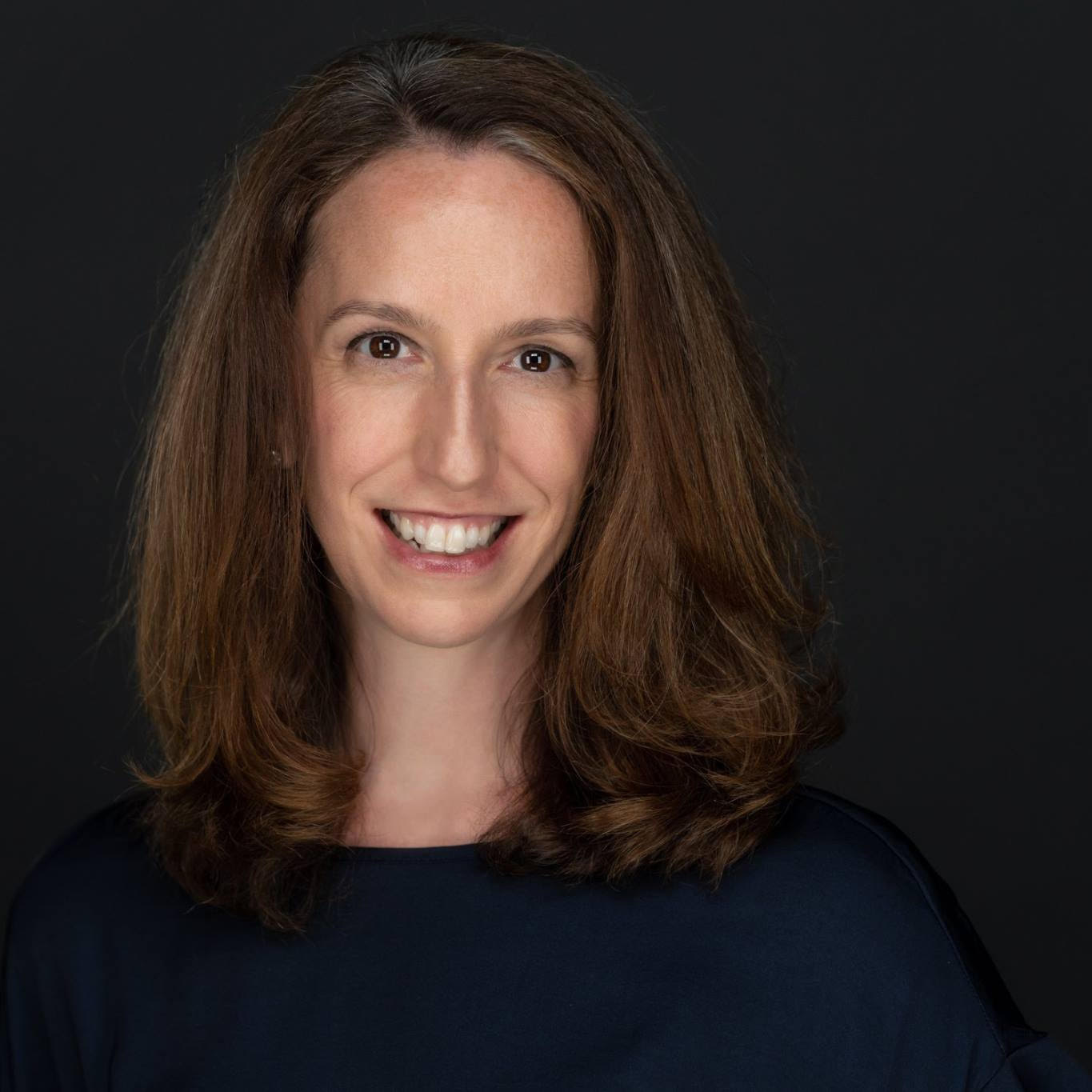
Dr. Jessica Drummond
Founder & CEO
The Integrative Women’s Health Institute
At the Integrative Women’s Health Institute, we’ve dedicated 17 years to crafting evidence-driven, cutting-edge programs that empower practitioners like you to address the complexities of women’s health.
Dr. Jessica Drummond’s unique approach focuses on functional nutrition, lifestyle medicine, movement therapies, nervous system dysregulation, trauma, and mindset – essential elements often overlooked in traditional health education.
In addition, your training will be fully evidence based, personalized, and nuanced (this is not a cookie cutter approach) in functional nutrition, exercise, recovery, cellular health, and all other lifestyle medicine tools.
You’ll learn to support your clients with cutting edge tools safely and effectively.