Follow Us for Free:


About the episode
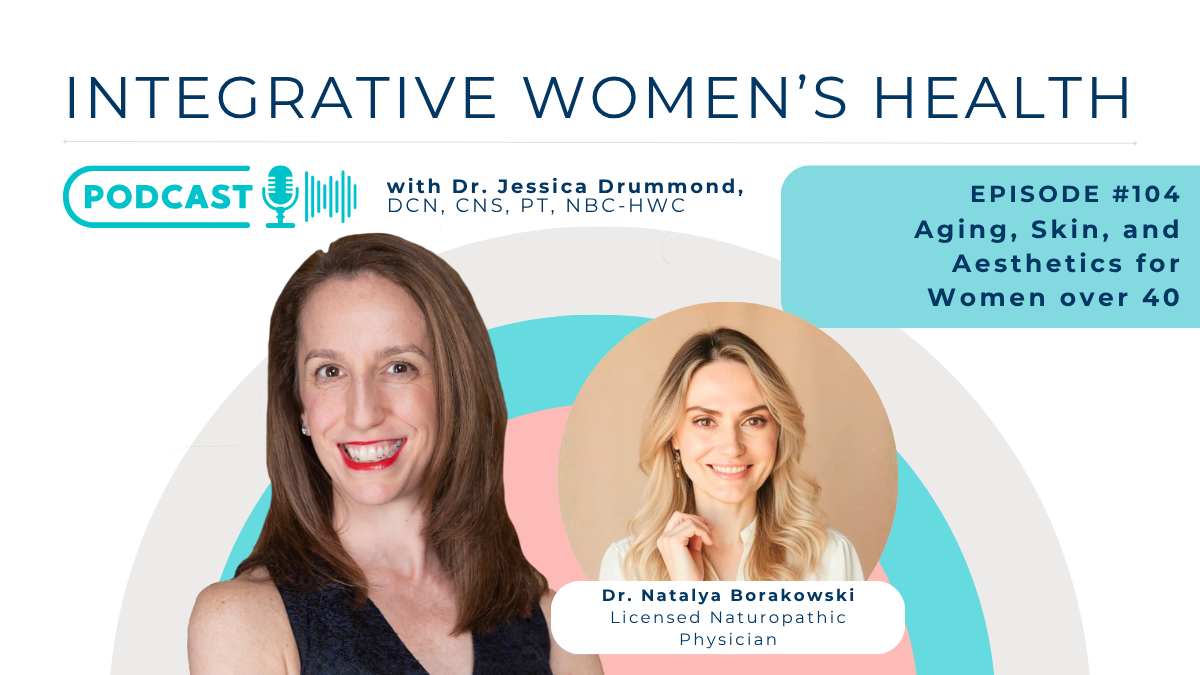
“We forget the skin is a living organ and we just treat it as a cosmetic surface.” – Dr. Natalia Borkowski
There’s a moment many women experience, typically in our 40s or 50s, where something shifts. It might be a photo, a different mirror, or a passing reflection, but suddenly the image looking back doesn’t match the one you’ve been carrying in your mind. For a lot of us, that moment isn’t just physical, it’s emotional. It feels disorienting, especially in a culture that continues to equate youth with value.
Hormonal shifts in perimenopause and menopause affect collagen, hydration, circulation, and overall tissue integrity, but we can’t look at the health of our skin in isolation. Skin health is deeply connected to nervous system regulation, sleep, nutrition, movement, and the daily environments we live in. The way we respond to the changes we see in our skin shapes not only how we look, but how we move through this phase of life.
In this episode, I’m joined by Dr. Natalya Borakowski, a licensed naturopathic physician specializing in dermatology and aesthetics, to talk about aging, identity, and skin health. We explore the physiological changes that impact the skin during perimenopause and menopause, the psychological experience of watching your appearance evolve, the role of foundational health practices like sleep, how to think about skincare in a simple and sustainable way, how to approach cosmetic treatments with intention, what it means to age well, and more.
Enjoy the episode, and let’s innovate and integrate together!
Highlights
- How society shapes the way women think about aging and their skin
- The emotional impact of changes in skin during perimenopause
- What’s happening biologically to the skin during perimenopause
- The foundational habits that support skin health during perimenopause and menopause
- How patriarchal beauty standards create pressure to maintain a youthful appearance
- Why cultivating self-compassion is essential when navigating physical and emotional changes in midlife
- How increasing economic freedom gives women more agency to redefine beauty on their own terms
- What to think about before choosing aesthetic or cosmetic treatments
- What a simple, effective skincare approach looks like
- Changing the way women experience beauty and confidence
Learn more about Dr. Natalya Borakowski
- Dr. Natalya Borakowski’s Website | UnveilYou.life
- Dr. Natalya Borakowski on Instagram: @unveilyou.life
- Dr. Natalya Borakowski on LinkedIn
About Dr. Natalya Borakowski
Dr. Natalya Borakowski is a licensed naturopathic physician specializing in women’s health, aesthetic medicine, and the interplay between physiology, psychology, and visible aging. She is the founder of Desert Bloom Skincare in Scottsdale and the creator of Unveil You, an educational platform dedicated to reframing how women understand and experience aging in a culture saturated with visual self-surveillance.
Dr. Borakowski’s clinical approach integrates systemic biology with ethical care: she views skin not as a cosmetic surface but as a reflection of underlying endocrine, neurologic, and emotional processes. Her work focuses on helping women navigate hormonal transitions, including perimenopause, by translating complex endocrinology and tissue biology into actionable strategies that preserve self-recognition, promote long-term skin health, and support overall well-being. She also speaks critically about how cultural fear of aging impacts medical decision-making and patient expectations.
In addition to her clinical practice, Dr. Borakowski is authoring Emotional Aesthetics: The Story of Aging, the Science of Beauty, and the Art of Self-Trust, a project that deepens the conversation about the psychological dimensions of aging and self-perception. Her work bridges medical science, integrative thinking, and cultural critique, making her a sought-after voice on the intersections of hormone health, skin biology, and women’s lived experience.
Learn more about The Integrative Women’s Health Institute’s Programs
- Perimenopause and Menopause Certificate Program
- The Integrative Women’s Health Membership
- Endometriosis Certificate Program
Ready to revolutionize your career and grow your practice?
- Integrative Women’s Health Institute on Instagram | @integrativewomenshealth
- Integrative Women’s Health Institute on YouTube
Click here for a full transcript of the episode.
Dr. Jessica Drummond 00:00:03 Hi and welcome to the Integrative Women’s Health Podcast. I’m your host, Doctor Jessica Drummond, and I am so thrilled to have you here. As we dive into today’s episode, as always innovating and integrating in the world of women’s health. And just as a reminder, the content in this podcast episode is no substitute for medical advice, diagnosis, or treatment from your medical or licensed health care team. While myself and many of my guests are licensed healthcare professionals, we are not your licensed healthcare professionals, so you want to get advice on your unique circumstances. Diagnostic recommendations treatment recommendations from your home medical team. Enjoy the episode. Let’s innovate and integrate together. Hi there. Welcome back to the Integrative Women’s Health Podcast. I’m your host, doctor Jessica Drummond, and I’m thrilled to be here with doctor Natalia Bora Koski. She is a naturopathic medicine physician who specializes in skincare and aesthetics. Dermatology. I really had an interesting conversation with her today, because I learned something very new that I do think has happened to me a couple of times in the last few years.
Dr. Jessica Drummond 00:01:33 We actually develop an internal image of what we look like. Like when we look in a mirror, what we look like when we’re approximately 28 years old, and our brain for decades continues to think we look exactly like that. So we kind of just when we see ourselves in a familiar mirror, we always see ourselves in that same way. but she’s going to talk about what happens when you maybe hit your could be as early as your late 40s. I mean, late 30s could be in your 50s, where one day you see a picture of yourself or yourself in a different mirror and you see something very different. I think our conversation today is so interesting, because we now understand deeply that our beauty standards are so driven by the system that we’re living with that prioritizes patriarchy and prioritizes youth forever. She talks about youth as literally a currency, which we know it is. Research shows that women with certain aesthetic looks literally make more money. So this is a challenging conversation to have with clients. And yet the health of our skin, the health of what we look like is not always the same as the cosmetic procedural options that are available to us.
Dr. Jessica Drummond 00:03:03 That may not actually be as healthy. And yet they also have their place because they can’t support our health in other ways. Our confidence, our financial health. So I think this is a really important and nuanced conversation, and you are going to love the stuff about literally how your brain sees yourself. So let’s dive into this conversation and I’ll see you on the other side. Welcome back to the Integrative Women’s Health Podcast. I’m your host, Doctor Jessica Drummond, and I’m thrilled to be here with Doctor Natalia Borkowski. Welcome and share with us what’s so important to you about your mission around not just skincare for women, which we hear a ton about. But this idea that how women physically look. And how that changes as they age is such an emotional process and really what that means and how it can be supported in our health care system.
Dr. Natalia Borkowski 00:04:09 That’s a very loaded question, Jessica. And I would say to your well-educated listeners, when we start talking about the skin, somehow the old ideas of integrative medicine approaching your body as a one community instead of a separate organs.
Dr. Natalia Borkowski 00:04:26 But when we talk about the skin, somehow that logic completely flies out the window. And even the most educated women, and I would admit, I am sometimes among them as well. We forget the skin is living organ. It’s a hormone responsive organ, and we just treat it as cosmetic surface. So when we start to age and of course as we go to perimenopause and then especially post menopause, our skin changes so dramatically. We’ll lose about 30% of our collagen in the first five years post menopause, so obviously the effects of it are visible. And then women rushed to my clinic with that very emotional story. And sometimes words change. But ultimately the idea narrative is still the same. I don’t recognize myself, and that creates a sense of panic when there are so eager to inject something. They’re so eager to swallow some kind of a pill, some kind of hormone. But then the reality is we still need to pause. We really need to first find out that we can never cancel aging. But the idea of aging beautifully is to again treat your body as the whole system and then prolong your longevity, not necessarily fixing that pretty look.
Dr. Jessica Drummond 00:05:40 So you talked briefly about how in menopause, you lose collagen. What are the physiologic changes in perimenopause Menopause to the skin that do impact how when women look in the mirror, they’re like, wow, I just I feel like I’m starting to look like myself. What are those changes?
Dr. Natalia Borkowski 00:06:02 Yeah, there’s actually two answers to that question. So we’re going to talk about biology first and then the psychology of it. What’s happening in our brain. Ultimately we do know as we age our female hormones progesterone estrogen start to decline. And there’s a lot of talk about estrogen. And most women, when they go to the OBGYN, they say, maybe I need some estrogen because our skin is a very hormonally responsive organ. It has lots of estrogen receptors directly. Without estrogen, we are losing skin hydration. There’s a less colonic acid. The skin cells overall become less active. There are some of them completely fall asleep. We call the zombie cells at that point. And then of course, when they don’t work, they don’t produce this really important essential protein collagen.
Dr. Natalia Borkowski 00:06:50 And without collagen, skin loses its thickness. So what we see is the tissue atrophy. Think about very aged people and it doesn’t matter men or women because they all go to that skin atrophy when the skin becomes very translucent and see through. So at that point there is a really very little we can do cosmetically. You can just support the skin integrity so that it doesn’t start to ripple and cause other more of a medical problems. But early as we go through that transition, there is a lot of changes, subtle changes happening to our skin that typically don’t. Women not necessarily pair it with hormonal changes. For example, in early perimenopause the first hormone starts to decline is progesterone. And it’s a fact and the skin is not well recognized the overall their literature mixed on that. But as I pieced together and learn more about what the lack of progesterone does to women’s skin. One narrative comes like essential everywhere. It affects skin micro circulation. So physically, what does it look like? It’s typically a woman in her late 30s, maybe to mid 50s, all of a sudden start to see that her skin is just lost, that radiance.
Dr. Natalia Borkowski 00:08:05 See, she’s not as glowy as she used to. She might be still using wonderful skincare products, but overall the skin just looks dull. That’s the luck of micro circulation, and if it continues to worsen, then all of a sudden all those puffy eyes come into play. Ew. That’s a very common thing. Women in their mid-forties come to me and they’re asking for some kind of eye treatment. I have those eye bags. A lot of times they’re not really eye bags. That’s, again, lack of lymph, lack of circulation, and lots of visible changes your skin is going through. So what can we do for this? Yes. You can run and try to look for progesterone replacement therapy. But again, not every woman is a candidate for progesterone replacement therapy. But there is a things you can do once you know this is happening in your body to improve your micro circulation so you can do self massages, schedule lymphatic drainage for your body, start to do things like dry brushing which includes micro circulation.
Dr. Natalia Borkowski 00:09:01 So knowledge the awareness is the key. And then you can allow your skin to support yourself through that transition without necessarily looking for pharmaceuticals or some kind of major intervention. So now the other story of this is what’s happening with our brain, because the brain is a very fascinating topic, and it’s like we can dive into a really interesting rabbit hole here. Our brain is a little bit lazy, Jessica, because it’s really does not update our external image, our reflection, as fast as our biology changes. And an average for adults, both men and women, are identity. self-identity crystallises at the age of the average age of 28. So you probably heard that narrative. I feel so much younger than I am. It’s true for everybody. We typically get that identity of what we think and believe. We are both visually and internally as of our personality at about that mid 20s, maybe early 30s can age average 28. So your brain remembers that image. So as long as you see yourself on the familiar mirror, like we’ll say your bathroom mirror every single day, what you really see is not necessarily what exists today.
Dr. Natalia Borkowski 00:10:20 And then the moment comes when all of a sudden you look at yourself and unfamiliar settings. It could be a makeup counter. Somebody gave you a mirror, could be you just kind of look at yourself on the window, reflection of the store. Somebody took a picture of you. Or like when we had all those zoom meetings during Covid, it was a huge boom in aesthetic medicine because it’s unfamiliar. Usually very poor quality camera with a terrible bad angle. Right? And now you have that psychological whiplash because you don’t recognize your image. Because your brain, what you see every day, it’s preserved image from many years ago. And you get that emotional disconnection from what you are. And then suddenly when you’re faced with really reality, you don’t recognize yourself. And then all the imperfections that you suddenly saw. They are new, they setting alarm in your brain, which is like alarm system calls amygdala. And now you start to zoom into this imperfection and it becomes more magnified in your eyes. So whatever that was a wrinkle or bags under your eyes, for example, they become such a big problem so you can no longer unsee it.
Dr. Natalia Borkowski 00:11:31 And then ultimately the world doesn’t see the problem as bad as you do. And then as our hormones change the progesterone estrogen have such a unique influence into our brain. Our internal critic becomes much louder during the perimenopause, so I really encourage women to be patient with themselves first, to recognize we all have that moment of unrecognized when we suddenly saw some kind of unflattering photo, and then all of a sudden, you start thinking of yourself a lot more critically that you have done in the past. But knowing this, it’s a normal step, normal process, and also start learning how to treat yourself, how you would treat, I don’t know, your young sister or your daughter. You probably would never say those negative things that you most women say to themselves every single morning. We don’t really need to break ourselves apart and pick up every imperfection, because ultimately the world doesn’t see you that way.
Dr. Jessica Drummond 00:12:33 That’s really interesting. So if we think about Health, with the skin being an organ. What are the kinds of things we want to do in perimenopause and menopause to support that health? And then I want to come back to this bizarre, not bizarre, but inaccurate view of ourselves in our 40s and 50s, maybe early 60s around what we even look like, because we’ve now seen ourselves in a different light.
Dr. Jessica Drummond 00:13:02 So if we think about things we can do to help our skin inside and out to be healthy, which I think it’s really important to say is distinct, potentially from looking like you’re 28, because some of the things we’re doing that may actually make us physically look younger are not supportive of our health at this time.
Dr. Natalia Borkowski 00:13:28 You’re absolutely correct. Absolutely correct. Because this is what I see in my practice, because my practice is cosmetic dermatology. So yes, I am hoping women to look more youthful, but often women do it and they will not in my clinic because I also don’t have problems to say no to patients. But often they overdo it because they chasing that image of 20 something which does not exist and it should not exist. You can still look very youthful, but then still look like you and then still be 40 something woman. It’s just we need to focus on tissue integrity, tissue support and no cosmetic treatments really should work on isolation. We need to start off with taking care of our bodies.
Dr. Natalia Borkowski 00:14:16 And that’s why I always say that every woman should have the four pillars of health. The first one starts with a great nutrition because our body, if you don’t feed it the vitamins, the minerals, the protein your body needs, the vitamin C, your body needs to cross-link that collagen. There’s no injectables going to fix that. The other very overlooked thing is I wouldn’t even call it the stress management, because I really feel like a lot of people are allergic to that word because it’s so overused, but more so establishing that self trust, having the moments of peace that you create for yourself, repeated rituals and it’s individual for every woman. I don’t even want to share any kind of ideas here, because what often women do, they just take my idea of self-care and they apply to themselves. It has to be your own. So instead, what I always do, I refer to mothers in the crowd. And I said, if you have multiple children, remember you use the different techniques to teach them how to fall asleep because those babies don’t know how to sleep, right? And then for our sanity, we need to make sure they’re sleeping.
Dr. Natalia Borkowski 00:15:21 What work for your older child might not work for the younger one, and you try different techniques, but once you find that magic juice, that recipe could be a lullaby. The rocking. We know all those different things. You’re going to repeat that ritual every single night like a clock, because your life depends on it. Otherwise, you don’t sleep. Why wouldn’t you do that same thing to yourself? Because our brains are the identical to infants. They love repetition. They love ritual. And when woman feels safe in her body. And that’s what I really think we’re missing here and now in the busy 21st century. We have so much wellness advice. We have so many ideas there. But we forget how to trust our bodies. Women naturally have a great intuition. We know we can listen to our bodies, but we don’t have time to do that. And that’s the moment when you establish that daily ritual you do doesn’t matter morning or night. You pick time that works for you. That’s a moment of stillness when you can pause and then ask questions, what is my body need? And the last pillar is sleep.
Dr. Natalia Borkowski 00:16:29 That becomes even more important as the hormones transition. Because as your ovaries go on that permanent vacation called menopause, your adrenal glands become your main hormone producers. So when you’re not sleeping enough, when you’re constantly stressed, when you’re constantly worrying about everything else in your life, when you are last person on that list, adrenal glands are very busy producing cortisol, which is our stress hormone. It’s a wonderful hormone. Don’t get me wrong, nothing wrong with cortisol. You should have a high cortisol first thing in the morning. It’s your natural cup of coffee, but if it stays high throughout your day, then it’s stealing this raw material that needed for production of other hormones. So now you become diminished. You become more irritable. You become you start having those hormonal imbalances, the weird hair growth, the hair loss and all the stuff that comes from perimenopause. The breakouts start to happen. I always start with, what do you do to take care of you? Not what cream are you putting on your face? But are you taking breaks? Are you slowing down? Are you sleeping? There’s the reason why they call it beauty sleep, right? So if you don’t sleep enough, forget it.
Dr. Natalia Borkowski 00:17:40 None of the other hormones going to work for you. So before you really go to your doctor and ask for that estrogen or progesterone replacement, then ask yourself, am I feeding myself well? Am I sleeping? Am I managing my stress and trusting my body so I can listen to it? And the last thing I actually forgot to mention. The fourth thing is movement. Again, I hate saying the word exercise because majority of women 40 plus are allergic to it. So we just say movement. Find the movement that gives you joy, but you have to do it daily. If your body is not moving. And we all know in 21st century the setting is a new smoking. If you’re not moving and then you’re not doing it with joy, if you go into the gym and you’re just punishing your body to submission, that’s not healthy either. You need to do things that encourages that blood flow. And then yes, you are building your muscles because without muscles, your metabolism is thinking and it’s already thinking because you’re aging.
Dr. Natalia Borkowski 00:18:36 So you cannot slow it, but you can support it. You can continuously doing things that helping this beautiful body to thrive for as long as possible.
Dr. Jessica Drummond 00:18:44 And I think that’s so important to think about the skin, the what we call here at IWK, the foundations that start with nervous system regulation, which is that idea of moments of self trust, moments of rocking yourself to sleep or slowly beginning your day, or sprinkled all throughout the day where you feel that deep exhale in your nervous system, that deep sense of calm. In the same way that we would do that every day for an infant that we that was our own or anyone else’s, if we wanted to get a good night’s sleep, sleep movement, circulation in particular around the skin, especially in the skin of the face, because there it’s hard work if someone has chronic, low grade inflammation to actually circulate, or if they’re simply slightly dehydrated, or they’re never doing movements to optimize lymph flow or have manual lymph drainage done. So many of our listeners are pelvic and general physical and occupational therapists who do lymph drainage and manual therapists, and even just doing movement, Pilates, yoga, Tai chi supports that.
Dr. Jessica Drummond 00:19:58 Lymph drainage supports that circulation. So the foundations are so helpful to just review because they’re exactly the same for the skin as they are for everything else. And then I think what you were talking about before, around your vision of what you look like, I think is a really challenging emotional transition for any woman in their 50s and 60s. I remember my mom at one point saying a decade ago she was probably more than that. She was in her early to mid 60s, and she said at this point, like women just become invisible. And I think that’s a really sad way to put it, versus I think I would love to know your thoughts about how to think about your aging face in a really positive way, and yet continuing to support it with hydration, with nourishment, with the things we can do from a skincare perspective. But what are some ways that we can almost like maybe start to transform the beauty standard? Because we’re now learning that this beauty standard is absolutely patriarchal, that it’s rooted in literally children.
Dr. Jessica Drummond 00:21:14 And that’s ridiculous. Like women in our 40s, 50s and 60s like it’s time to take a stand and actually own our faces in this age range.
Dr. Natalia Borkowski 00:21:25 Yes, yes, yes. It is.
Multiple Speakers 00:21:27 A very big.
Dr. Natalia Borkowski 00:21:29 Pain point. And we are. I would argue, the first generation of women that aging in the front of multiple mirrors, because think we are in front of cameras all the time. You’re getting caught on somebodies handheld iPhone camera. You get a random person snapping a picture of you. So we see our face from so many different angles. It’s extremely challenging to our nervous system, to our self-esteem. And you definitely nailed it. We still live in a society that worships youth and then treats beauty as currency. And then in that narrative that the beauty is currency, then what is aging? It’s bankruptcy. So if we do allow that narrative drive our own relationship with our reflection, then yes, it’s a very challenging Transition, and I’ve seen women really fall apart and then become really addicted to aesthetic treatment because, let’s face it, you boost that self-esteem when you’re getting that Botox on your forehead.
Dr. Natalia Borkowski 00:22:32 It’s not moving. It’s shiny and glassy. All those wrinkles went away. It’s a great boost. But if you only rely on that injectable to make you feel confident, then it that becomes a very unhealthy relationship. So essentially, it doesn’t mean that those medical tools are bad. They’re just tools. But our emotions, the narrative we have the question why we’re doing this treatment is important. So if the why is only I want to look like I’m 25 or 30, that’s the wrong why. And how can we change that narrative? That’s one of the reasons why I’m building the community I am because I feel if we have more women joining into this conversation, because it’s a very slow education of society, unfortunately, we do live in the country. When women have a very prominent positions, they have prominent voices. We have more women now in medicine. We have research starting on perimenopause and menopause that haven’t been done for decades, that medicine have existed. Everything we have done so far in medicine was based on male model.
Dr. Natalia Borkowski 00:23:38 And just in the last 20 some years, we finally starting to learn. Guess what? Women have different bodies. Even the disease is like a heart attack. We experience it differently. So so many women unfortunately passed away because the physicians could not recognize the symptoms of a heart attack because they are different, they are not male symptoms. So now we’re learning it more and realizing that the transition of our mood, our neurological transition during the perimenopause, it doesn’t mean that women are going crazy, which is going through literally a brain rewiring. It’s like a software upgrade. So if you teach women that it’s normal to feel irritable, and they can approach it with a little bit of a humor, a little bit more compassion, more patience for yourself. Like when I get because I’m going through perimenopause myself, when I have those moments, I sometimes joke with my family because I also have two teenagers that are really great at pushing buttons. So when I have those moments, I would just say, mommy’s feeling a little bit more depressed slash suicidal.
Dr. Natalia Borkowski 00:24:42 So I would like to step back. And they always look at me like I’m like, yep, I just I need a moment and then you just allow yourself to breathe through whatever that emotion is anger, your ability. You don’t have to blow up, but you also don’t have to bottle it in. Allow the emotion to rise and leave. And that’s the healthiest way to approach it. Because those hormones progesterone, estrogen there have such a strong relationship with our brain. They control things like our serotonin, dopamine. We know how those powerful those neurotransmitters are and without progesterone in the early perimenopause are a Gaba. The other neurotransmitter starts to decline. And what that means that our brains are a little bit more of a hot wired. If you think we have a more excitatory signals. Yeah, correct. Short fuse. That’s where the irritability comes from. So I always want to get that short fuse myself. I take a deep breath and I’m like, okay, I’m a little short on Gaba right now.
Dr. Natalia Borkowski 00:25:39 That’s okay. It’s temporary. It’s literally it’s like a software upgrade post menopause. Things do stabilize. They never go back to where you were before the hormonal transition, but it doesn’t mean it’s bad. You come out on the other side a different woman. The women post menopause. They are quite powerful women. And then yes, we can talk about other values we bring to society because think the woman post menopause. It’s in her prime. She’s wiser, she has more career experience. She’s typically on top of her career. At this moment, she’s on the leadership positions. So if she positions herself as now mature woman who can give her so much more to society, it doesn’t really matter what her face looks like and if she is in the environment. There are mainly men that only want to look at the pretty faces. It’s okay, you can move on and find the environment when you are feeling valued and welcome.
Dr. Jessica Drummond 00:26:37 I think that’s so important because one of the things we’ve been talking a lot about in our community in the last month, few months or a year is this idea that the women of this generation who are perimenopausal and menopausal, early, menopausal right now are really among the first women in history? Some of us now, of course, there are different socioeconomic classes.
Dr. Jessica Drummond 00:27:01 There’s different access to this. But among the first women who have had access to pure economic freedom essentially our whole lives, right? The year I was born is when women were allowed to get access to their own bank accounts, their own credit cards, things like this. And so I think what’s so great about that is you were mentioning that beauty is literally a currency. We know that women who wear makeup in an interview actually make more money, so having filler and Botox and other things put into your face literally gives you an economic advantage. But now, as there are more women in the room, women are founders, women are more in leadership positions. We actually have this opportunity to transform what that even means. And I think it’s a real opportunity to slow down and say, okay, we want our skin to be healthy, we want to have energy, we want to have cellular health. But it’s okay if we look 50, if we look 60, if we look 70 And I think it’s just a really interesting conversation that we get to decide how we want to present and be really supportive of other women, whether they color their hair or they keep it gray, whether they’re wearing makeup, whether they’re not, whether they’re using cosmetic tools or not.
Dr. Jessica Drummond 00:28:30 I think the more we’re supportive of each other to have a range of options and really just be thoughtful about why women make more money when they look younger, I think is a really it’s a really important conversation to be having because of course, it’s also more expensive to for women to maintain that kind of physical look. Over 40.
Dr. Natalia Borkowski 00:28:56 It’s very true. Aesthetic treatments, plastic surgery. Let’s say it’s a luxury treatments. They’re not cheap, but there’s a lot of things you can do for your skin that doesn’t really cost any money. Like, for example, you’re drinking water right now. This is the most powerful anti-aging serum, and it typically doesn’t cost anything. Unless you’re buying some fancy filtered water. But that’s a different story. As for overall, I cannot agree more because I think we should really drop the narrative or demand how women should age. Because not that long ago we were all obsessed about frozen faces, overfilled lips. There was that overdone look and aesthetics present. And now on this here we have a whole swing of pendulum that everybody dissolving filler.
Dr. Natalia Borkowski 00:29:42 We are terrified of this. We want the face to look as natural as possible, which is overall is a noble idea. But both of those decisions are flip coin of a same idea. A we’re afraid of looking ourselves, so we’re afraid of making our own decisions. We allow in society to dictate how women should age. I ultimately think there is nothing wrong with whatever tools we need to give a woman choice to age how she wants. Does she want to age with a hair dye? The red lipstick and Botox lets her have it, if that would empowers her. And that makes her to walk into that boardroom and present with confidence, to really glow her personality, to share her love with the world. There’s nothing wrong with those tools. But if she uses them to hide and then pretend to be someone she’s not. That will also be felt by humans. She’s communicating to you. So she’s again walking into a boardroom, but she’s so insecure. So although she looks perfect, you can see it and smell it in her pitch.
Dr. Natalia Borkowski 00:30:43 We are very smart humans. We can see that subliminal messages. So always when I have a woman who has the money and opportunity to do those injectables, my first question is why? Why do you want to do this? Because if the why is wrong, you do it because you’re trying to look like someone you’re not. That’s a wrong answer because this treatment would not give you the empowerment you seeking.
Dr. Jessica Drummond 00:31:09 So just because you can look a certain way, how you actually feel about that makes a big difference to how it actually impacts your health. If it’s making you more insecure, if it’s like a mat, like almost like a literal mask, versus just as you would pick out certain clothes, like putting on something to enhance your energy, enhance your confidence in a way that’s very authentic to you, I think can be really valuable now, thinking about health. When we think about things like injectables and Botox to be. And just to be very honest with you, I have absolutely zero experience with. So this question may be dumb, but I.
Dr. Natalia Borkowski 00:31:52 Know I bet you there are all women listening right now. But like, thank you, Jessica, for asking this because I was thinking and I thought it was too dumb and I didn’t want to ask it, so go away.
Dr. Jessica Drummond 00:32:02 Yeah. So as a person who’s literally never injected anything into my face at all, hasn’t even considered it, almost never even wears makeup. What are the health impacts of Botox, of fillers, of other things that women are using really commonly? And are there some very specific things we can do with our skin? Like, one thing I do use on my skin is red light therapy. And then other than that, essentially it’s just a hydration moisturizer and a basic cleanser. Are there certain things that we can topically use? We talk about talked about some of the things internally. Are there some things topically that do have benefit? And even in terms of enhancement, things that for your clients that they might choose.
Dr. Natalia Borkowski 00:32:46 So let’s start with kind of everyday things, right. Skincare.
Dr. Natalia Borkowski 00:32:50 Number one thing I always say do not overcomplicate your skincare. It doesn’t have to be something crazy expensive. It doesn’t have to be something requires seven steps of skincare that somebody like an Instagram influencer tells you must use. None of it’s true what your skin needs. It needs barrier protection, especially as you age. Because our skin, the outer layer of our skin, it’s dead skin cells. They’re like little shingles. So imagine it like this is your roof. So you want to protect the rest of your house. So you’re going to put a layer of tar on those shingles. And then once in a while you’re going to replace your roof. So that’s really where it simply comes from. Skincare. So to protect your own external shingles you need moisturizer. You need sunscreen. And I know there is some controversy against sunscreen that some ingredients might cause cancer. Guess what? Without sunscreen, you’re more likely a lot times more likely to get skin cancer. So whatever sunscreen you find, whatever agrees with your skin specifically because we all have different types, use it every single day.
Dr. Natalia Borkowski 00:33:55 It doesn’t matter if it’s cloudy or it’s raining or you just in the car all day. Trust me, you still get plenty of UVA rays, which when they hit your face, what they do, they denature your inside. Your skin cells denature DNA. So the DNA is a double helix, and without radiation, it separates like two lines of DNA, separates the skin. Does everything possible to bring it back together. Sometimes it can. So like it’s like a little slinky. It just doesn’t ties the coils the same way again. And when it can’t, then what happens? It peels. Like we probably all had the sunburn at that point when the sheets of the skin come off. That’s the evidence of a DNA damage right there. Often every single day. We don’t burn to the excess of peeling, of course, but that very minor damage in the future comes out as a age spots wrinkles because that damage accumulates over time and body overall repair slows down. We have much more oxidative stress on our bodies and the less ability to repair.
Dr. Natalia Borkowski 00:34:57 And that’s how the skin becomes thinner and starts to wrinkle. So the earlier you get into that regiment of washing your face, don’t do anything crazy and scrubby every single day because again, protect the skin barrier. You don’t need to exfoliate the shingles. Replace them every single day and then moisturizer. If you want to use a serum. It’s very simple. There are two ingredients that really matters in skincare. It’s vitamin A retinol. That one is the only night time ingredient, and it can be used in the form of cream or serum and vitamin C vitamin C is a powerful antioxidant. Our skin needed for collagen cross-linking. It’s a beautiful brighter. So the vitamin C, its antioxidant production during the day. So that’s even if you want to have a three step. But if that’s too complicated, you don’t want to spend $100 on a fancy serum. It’s okay if you just do that daily wash your face and putting on moisturizer. Your skin will age so much healthier and so much better. As for injectables, so let’s talk about Botox.
Dr. Natalia Borkowski 00:36:00 I was recently at the different podcast with a plastic surgeon, and she was doing this rapid fire questions. And one of her questions was, what is the most misunderstood skin injectable? And I said, Botox. And then she stopped. She goes, why? I said, well, because so many women come in and they believe that neurotoxins like Botox erase wrinkles. It doesn’t. It paralyzes muscles. So essentially prevents you from overusing same muscles of expression on your face. And we all have our kind of like a recognized facial pattern that we tend to repeat over and over. Very notorious one. It’s that elevens that’s sitting down here, I call it the deep thinking muscle. And the reason why some women would want to inject this, because strangers do read our faces before you even open your mouth. And unfortunately, when it comes to our expression, the expression of anger and expression of deep thinking, it’s exactly same muscle engagement. So when you get that deep crevice between your eyebrows, strangers might start perceiving you as an angry person.
Dr. Natalia Borkowski 00:37:07 I actually had one of my clients that came in and she was in her 60s, so she never done any injectables. And when I asked her, why do you want to get Botox today, she says, my grandson gets on my lap and always says, grandma, why are you so angry? She says, I don’t want to look angry and I’m not angry. So that was her why? And I think it was really legit. Why? She just wanted to look more relaxed. And that’s really the purpose of wrinkle relaxer. That’s what we call a that group of medications. But again women need to understand those are prescription medications. They’re not magic juice or fairy sprinkle dust. And if you do use them constantly and you constantly freeze that muscle, what happens with a muscle that doesn’t move? it atrophies. It has a less blood flow to it. So what happens with skin that lays above it starts to atrophy. It has less blood flow to it. So that doesn’t mean that Botox makes wrinkles worse.
Dr. Natalia Borkowski 00:38:05 But essentially if you just inject Botox and you don’t do the four foundations we talked about, you don’t take care of your skin. You don’t wear sunscreen. Yes. When you stop injecting Botox, your skin will look worse because now it’s atrophied and had less blood flow.
Dr. Jessica Drummond 00:38:19 Yeah, yeah, that makes a lot of sense. So if you were to think about a core belief about aging that you commonly see in the women in your practice, that you would hope they would shift now that they’re in midlife, what might that be for you?
Dr. Natalia Borkowski 00:38:36 It’s something that we already mentioned. It’s that very painful conversation, that beauty is currency and aging is bankruptcy. And I’m not I’m always trying to create this visual. I say, think about 70 year old woman, but very beautiful 70 year old woman. There are many examples on social media and public eye. Beautiful aging models with gray hair. They have wrinkles, but they are stunning women. What makes them stunning? It’s the posture. It’s the way they present themselves to the world.
Dr. Natalia Borkowski 00:39:08 It’s the way they carry the body. It’s the eye contact. They create the beautiful smile and they have healthy skin. They have wrinkles, but the skin doesn’t have lesions. It’s not irritated. It’s not dry, it’s not red. It doesn’t have any sun damage on it. So they do take care of it. They obviously show that they take care of their bodies, and they have that innate connection and trust with who they are. And that also shows with every move, every connection they create, either it’s with public or with their families. And that’s what makes those women virtually ageless.
Dr. Jessica Drummond 00:39:45 Yeah, I think that’s a really Important reframe for many women, because I think it could be so valuable if they’re doing a lot of the cosmetic support to maybe stop for a minute and just notice what are they saying to themselves throughout the day? What are they saying to themselves when they catch a glimpse in the mirror? How comfortable do they feel in their bodies? How often do they give themselves those little spaces to rest and feel really just fully embodied and then doing things to take care of their skin, but not in a way that feels burdensome, that is not too expensive, that is not to maintenance requiring for them.
Dr. Jessica Drummond 00:40:25 And of course, every woman will have a different answer to what that means. But I think how to be mindful literally about how we age is to have a little bit of a vision of it. What does that look like for women? Are they trying to stick at a certain age, or do they have a vision of what they Physically look and feel like as they’re moving into their 60s, 70s, 80s and 90s.
Dr. Natalia Borkowski 00:40:52 Exactly, exactly. I think we live in such a beautiful age of privilege to be able to live a long time, and women in general typically live longer. And I think the women who do live very long lives, they have this connection with their bodies. They do take time, the moments, the breaks when they nourish. They sold the nervous system. And that really what supports the longevity?
Dr. Jessica Drummond 00:41:16 Yeah, absolutely. As we wrap up, is there anything else you want to add to share with our community? When should our the professionals in our audience think about helping and referring their clients to a dermatologist that specializes in these cosmetic esthetics?
Dr. Natalia Borkowski 00:41:35 There’s a different reasons why women might need to go to a dermatologist.
Dr. Natalia Borkowski 00:41:39 Usually it’s something strange happening in the skin, and we need to take a look at it and scan it and make sure it’s not cancer is. But beyond that, to open up conversation and remind every woman. Our skin is not a cosmetic surface. We should never treat it separately, as we should never treat a liver separate from kidneys. They are all connected. It’s all one body. So if you do have a woman who struggles with aging, whatever, she’s going through hormonal shifts, or maybe she’s dealing with some pain that she’s coming to physical therapy for, you can open up this conversation and also ask how much time that she’s taking for herself every day. Maybe a few minutes when she can stretch, pause, breathe, and reconnect with her body to really support not just the way she looks, but again, how she lives goes through life. And that really helps with so many different aspects.
Dr. Jessica Drummond 00:42:34 Absolutely excellent. So where can our listeners find you and your work?
Dr. Natalia Borkowski 00:42:39 We do have a website at.
Dr. Natalia Borkowski 00:42:42 One life. That’s our community. For women who are interested to what we call age on your own terms. I’m also writing a book which is in final stages of editing right now. So soon it’s going to be released on pre-sale on Amazon. So if you do have go to the on Live website, you can just put yourself on a mailing list and as soon as it’s available for pre-sale, we’ll be sending out emails inviting people to pre-sale for the book. And the name of the book is Emotional Aesthetics A Story of Aging, the Biology of beauty, and the Art of Self Trust. So essentially it’s touching on and all those things that we talked about, starting with this really fascinating phenomena. I call it identity perception split. It’s when you don’t recognize yourself in the mirror and you have this moment, oh my God, I aged overnight. And how do you coach yourself through that transition, helping women to deeply understand what’s happening in the body physiologically as we age and take a mystery out of our hormones, because every woman in her 40s says, my hormones are messed up.
Dr. Natalia Borkowski 00:43:47 No, they’re not messed up. They are normal for 40 something. They are transitioning. But you need to understand the change and meet yourself in that transition and however you want to support your body transition, it’s up to you.
Dr. Jessica Drummond 00:44:00 Yeah, absolutely. We’ll absolutely take a look at the Unveil You community. I’m looking forward to your book coming out. Thank you so much for being here with us today, Natalia.
Dr. Natalia Borkowski 00:44:11 Thank you for inviting me.
Dr. Jessica Drummond 00:44:17 That was so interesting. So if I think I’m 28 now, I know why. I don’t know about you, but I do often think I’m 28 now with my chronic illness. In the last six years, you know, there have been many days where I feel 80. So things have shifted in that regard. But up until then, I was 46 years old. I felt the exact same in my own mind’s eye as I felt and felt like I looked in my 20s. Now, of course, if I saw pictures of myself, even then, there were definitely shifts.
Dr. Jessica Drummond 00:44:52 But I do think it’s so interesting how our self-perception can influence so much about our energy, our confidence, and that we have all these tools of cellular health from a skin standpoint. But almost none of them have to do with what we put directly on our skin, unless they’re actually pushing us in a negative direction. So I do think that this is such an important conversation, because I think women need to have a vision of what they look and feel like physically, that external presentation, maybe not for every woman, but I think a lot of us, you know, especially as we’re more and more in public, have public platforms, are speaking on stages or, you know, building Instagram platforms like how we look is an important part of our identity. And it may be more important for some of your clients than others. Some may have very strong feelings about it. And I think we need to be really comfortable holding this conversation, because I think it has direct impact on women’s health from a lot of different layers.
Dr. Jessica Drummond 00:46:07 You know, everything from putting things on our skin that helped to actually nourish our skin and nourish our bodies, nourishing our skin from the inside out, using skin health as a barometer of cardiovascular health, circulatory health, lymph health, using skin as a barometer of fatigue and mitochondrial health. And also just starting to understand, like, what does it actually look like to have real healthy aging? And how different is that from how many women actually present to the world in their 50s, 60s, 70s and beyond? As we’re living in a world that is going to be increasingly AI presentations is already filters, AI filters, AI technology being built into cameras. I think it’s just a very interesting time to consider what real ness from women, from the inside out and on the outside, what it means to each and every one of your clients and yourself. So what questions do you have? I have so many questions about this topic. I think it’s so interesting that we just keep talking about mindfully helping women transition in a way that maybe they didn’t feel empowered to in the past because they were trying to meet certain beauty standards for things as important as their own safety.
Dr. Jessica Drummond 00:47:42 So go follow doctor Natalia Borkowski, read her new book, and let’s continue this conversation on our calls and in our programs. I look forward to talking to you there, and I’ll see you right back here next week.
Multiple Speakers 00:48:00 Thank you so much for joining me today for this episode of the Integrative Women’s Health Podcast. Please share this episode with a colleague and if you loved it, hit that subscribe or follow button on your favorite podcast streaming service so that we can do even more to make this podcast better for you and your clients. Let’s innovate and integrate in the world of women’s health.
Join Dr. Jessica Drummond to learn proven strategies to confidently address perimenopause, menopause, and chronic conditions while growing a profitable and impactful practice.
Discover proven strategies to attract high-value clients, deliver transformational results, and position yourself as a sought-after expert in this rapidly growing field.
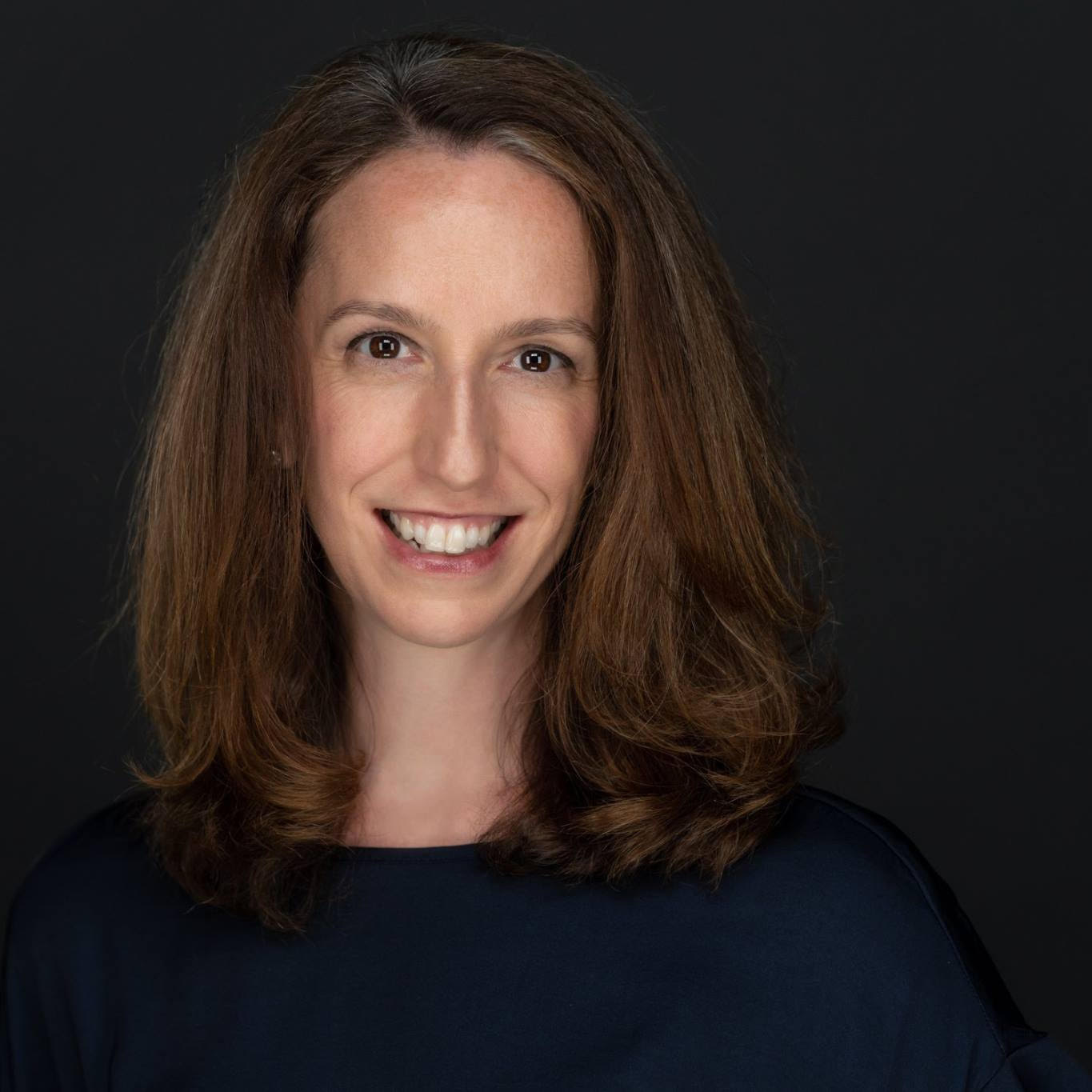
Dr. Jessica Drummond
Founder & CEO
The Integrative Women’s Health Institute
At the Integrative Women’s Health Institute, we’ve dedicated 17 years to crafting evidence-driven, cutting-edge programs that empower practitioners like you to address the complexities of women’s health.
Dr. Jessica Drummond’s unique approach focuses on functional nutrition, lifestyle medicine, movement therapies, nervous system dysregulation, trauma, and mindset – essential elements often overlooked in traditional health education.
In addition, your training will be fully evidence based, personalized, and nuanced (this is not a cookie cutter approach) in functional nutrition, exercise, recovery, cellular health, and all other lifestyle medicine tools.
You’ll learn to support your clients with cutting edge tools safely and effectively.