Follow Us for Free:


About the episode
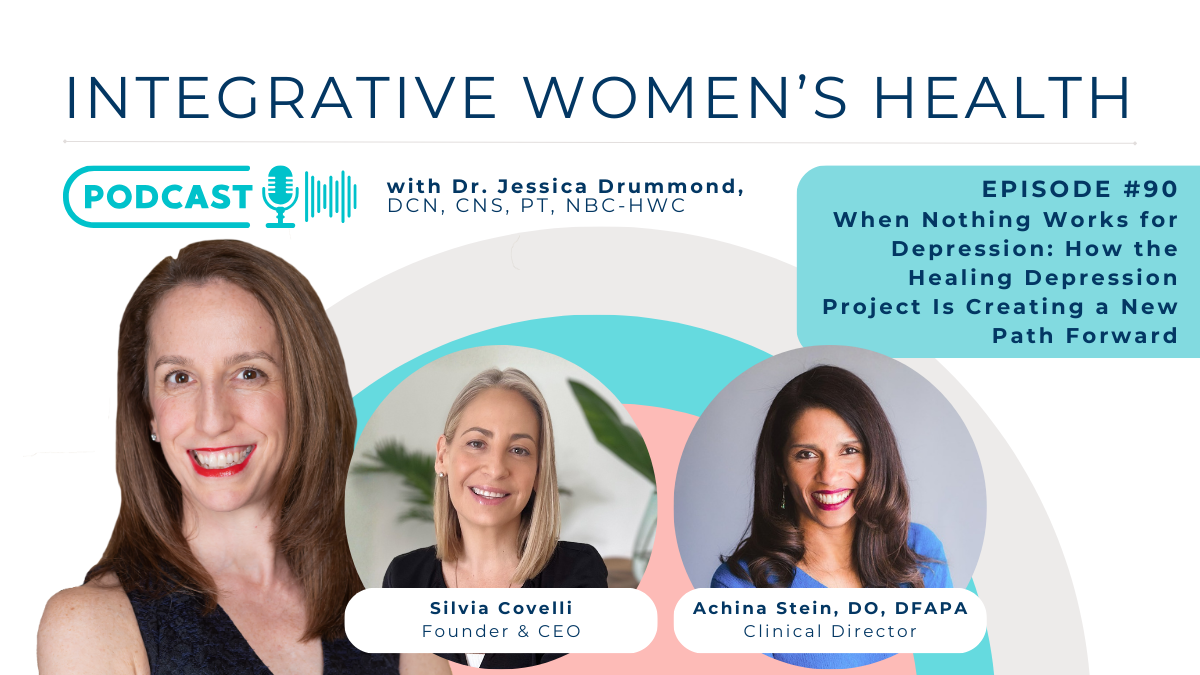
Many people live with depression for years and never feel fully better, even after medications, therapy, lifestyle changes, or countless specialist visits. What we rarely talk about is why these approaches often fall short and what it actually takes to create real change.
Today, I’m joined by Silvia Covelli, founder of the Healing Depression Project, and Dr. Achina Stein, a functional medicine psychiatrist, about their groundbreaking 30-day program for chronic and treatment-resistant depression.
They share what participants experienced inside their previous program, including meaningful shifts in mood, energy, and overall functioning.
We discuss functional psychiatry, therapeutic ketogenic diets, intensive trauma work, psychodrama, nature-based recovery, and habit formation, and the power of combining these elements into one cohesive model that can create change when nothing else has worked.
This conversation offers a new way of understanding depression and a glimpse into what recovery can look like when the whole person is supported.
Enjoy the episode, and let’s innovate and integrate together!
Highlights
- Why so many people stay depressed for years despite doing everything they can
- What becomes possible when someone steps out of daily life and enters a structured, immersive healing environment
- What participants experienced inside the program and how it differed from anything they had tried before
- The clinical results observed, including significant symptom reductions and remission rates
- How ketogenic nutrition, metabolic psychiatry principles, functional medicine, movement, meditation, and trauma work come together inside this immersive model to uncover and address the root causes of long-standing depression
Learn more about The Healing Depression Project
- To see what others have achieved through this approach, you can watch transformation stories, read testimonials, and review validated clinical outcomes at https://www.healingdepressionproject.com/stories-results.html
- Healing Depression Project Website | HealingDepressionProject.com
- Book a free call to learn more about the program, ask questions, and find out if you qualify for a scholarship:
HealingDepressionProject.com/call
Mentioned in this episode
- The Integrative Women’s Health Podcast | Episode 20: Healing Depression Project with Silvia Covelli & Dr. Achina Stein
About Silvia Covelli
Silvia Covelli is the founder of the Healing Depression Project. She is an honors graduate of Boston College and a former social science researcher at Harvard University. She pursued graduate studies in finance and business law and dedicated her career to entrepreneurship.
Alongside her thriving career, Silvia faced relentless, chronic depression and tried more than 60 treatments without finding sustained relief. Her personal struggle, combined with her background in human transformation and mind-body connection, led her to develop a program that remarkably ended 25 years of depression symptoms. She has remained depression-free ever since.
Years later, that breakthrough inspired the creation of the Healing Depression Project, where she assembled a leading team of professionals and cutting-edge approaches in psychiatry to help others overcome depression as she has.
About Dr. Achina Stein DO, DFAPA, FACN, ABIHM, IFMCP
Dr. Achina Stein is the head doctor at the Healing Depression Project. She is a leading expert in Functional Medicine Psychiatry and a best-selling author with 30 years of experience helping people recover from depression.
She is a board-certified psychiatrist, a Distinguished Fellow of the American Psychiatric Association, a certified practitioner of the Institute for Functional Medicine, and a former Clinical Assistant Professor of Psychiatry and Human Behavior at The Warren Alpert Medical School of Brown University.
Dr. Stein’s Amazon international bestselling book, “What If It’s NOT Depression? Your Guide to Finding Answers and Solutions,” offers groundbreaking functional medicine perspectives, instilling hope and providing healing pathways for those facing chronic depression.
In the 45-Day Depression Recovery Program offered by the Healing Depression Project, Dr. Stein works on identifying and addressing all the root causes of your depression-like symptoms. This program is bringing hope to those who have long struggled with depression and have not found relief with other treatments, including antidepressant medications.
Ready to revolutionize your career and grow your practice?
- The Integrative Women’s Health Membership
- What is the next step in your career in women’s health and wellness? Start here: https://integrativewomenshealthinstitute.com/start-here/
- Integrative Women’s Health Institute on Instagram | @integrativewomenshealth
- Integrative Women’s Health Institute on YouTube
Learn more about The Integrative Women’s Health Institute’s Programs.
Click here for a full transcript of the episode.
Dr. Jessica Drummond 00:00:03 Hi and welcome to the Integrative Women’s Health Podcast. I’m your host, Doctor Jessica Drummond, and I am so thrilled to have you here. As we dive into today’s episode, as always innovating and integrating in the world of women’s health. And just as a reminder, the content in this podcast episode is no substitute for medical advice, diagnosis, or treatment from your medical or licensed health care team. While myself and many of my guests are licensed healthcare professionals, we are not your licensed healthcare professionals, so you want to get advice on your unique circumstances. Diagnostic recommendations treatment recommendations from your home medical team. Enjoy the episode. Let’s innovate and integrate together.
Dr. Jessica Drummond 00:01:02 Hi, and welcome back to the Integrative Women’s Health Podcast. I’m your host, doctor Jessica Drummond. And today I’m very excited to introduce you or actually reintroduce you. This is the first time on the Integrative Women’s Health podcast that we have had a repeat guest. We’re going to be hanging out today with Sylvia Covelli and Doctor Akina Stein, integrative functional medicine psychiatrist, to talk about depression and their innovative research program that is taking clients and subjects research subject really through an immersive program.
Dr. Jessica Drummond 00:01:41 They’ve done it a few times now. It’s done twice a year. We’re going to get into all the nitty gritty of the program. It’s for chronic or treatment resistant depression, although there are also lots of other beneficial side effects. And I want us to really tune into this as women’s health and wellness professionals and just women ourselves. Because the reality is, and there is a bit of a trigger warning to this entire episode. The reality is that women in the perimenopause to menopause transition, depending on the data and which country you look at, are at highest risk between the ages of 45 and 64. Of committing suicide. And it’s a very important time to optimize mental health. And that mental health optimization really starts with full body metabolic health and done in a way that the nervous system learns to regulate, is rewired, is rested, is recovered, is supported, and their program is so innovative because it does all of these things in 30 days in an immersive way. So before we get into the episode, let me quickly introduce you.
Dr. Jessica Drummond 00:03:10 Doctor Akina Stein is the head physician at the Healing Depression Project, which is the name of their project. Stay tuned because we’re going to give you an opportunity to apply to be a participant in the project, or for your clients to be a participant. Doctor Stein is a leading expert in functional medicine, psychiatry, bestselling author over 30 years of experience helping people recover from depression. She’s a board certified psychiatrist, a distinguished fellow of the American Psychiatric Association, a certified practitioner of the Institute for Functional Medicine, a former clinical assistant professor of psychiatry and human behavior at the Warren Albert Medical School at Brown University. She lives in Rhode Island. Her Amazon International bestselling book, What If It’s Not Depression? Your Guide to Finding Answers and Solutions, offers groundbreaking functional medicine perspectives, instilling hope and providing healing pathways for those facing chronic depression. In this 45 day depression recovery program through the Healing Depression Project, Doctor Stein works on identifying and addressing all of the root causes of the clients in the programs depression and depression like symptoms.
Dr. Jessica Drummond 00:04:29 This program is bringing hope to those who have long struggled with depression, including an average of four intensive inpatient psychiatric experiences before joining this program. So this program is for people who have just not found relief in any other way. And Sylvia Cavell is so inspiring. She created and founded the Healing Depression Project. She’s an honors graduate of Boston College. A former social sciences researcher at Harvard University. She pursued graduate studies in finance and business law and has dedicated her career to entrepreneurship. But her personal story is that alongside this illustrious career, she had relentless chronic depression herself, and we go deeper into her story. The first time we talked with her earlier, so I’ll make sure I link the episode in the show notes. Our first episode was Sylvia and her team. She tried more than 60 treatments without finding sustained relief. Her personal struggle, combined with her background in human transformation, mind body connection and entrepreneurship, led her to develop a program that remarkably ended her personal 25 years of depression symptoms. She’s remained depression free, and you’re going to get so excited about some of the results of this project.
Dr. Jessica Drummond 00:05:49 I mean, they’re lasting well beyond that initial 45 days. Same for her. Gratefully. Years later, her own breakthrough and her long term depression remission inspired the creation of the Healing Depression Project, where she assembled a leading team of professionals and cutting edge approaches in psychiatry to help others overcome the depression that she has. So as you listen to this episode. Take notes. Think of who in your life, who in your client or patient population could benefit. Have them schedule a call with their team. There’s no cost for that, just to see if they might be a good fit for this immersive experience. And I’ll see you on the other side. And we’ll talk about even if your clients are not a part of this program, how we can learn from this in our own practices. Hi, everyone.
Dr. Jessica Drummond 00:06:49 Welcome back to the.
Dr. Jessica Drummond 00:06:50 Integrative Women’s Health.
Dr. Jessica Drummond 00:06:52 Podcast.
Dr. Jessica Drummond 00:06:53 I’m your host, doctor Jessica Drummond, and I’m here with Sylvia Covelli and Doctor Akina Stein. They are part of an awesome, integrative and functional team that has built out the Healing Depression Project.
Dr. Jessica Drummond 00:07:09 And essentially they have done data collection on helping people who have either treatment resistant or chronic depression finally have some tools to deeply recover and manage their condition better. We had an episode with this awesome team months ago and I’m going to put in the show notes the episode so you can just link back and listen to their stories and why they started the Healing Depression Project. Such an important project. But today we have some exciting results about what happened with that project. And if you yourself or your patients and clients are struggling with depression, especially if it’s chronic or treatment resistant. They are enrolling their next group of people in the next iteration of this project. So, Sylvia, why don’t we start with you? What was your inspiration for starting this project, and what did you learn from this first round that maybe it was either exciting or surprising to you?
Silvia Covelli 00:08:18 Hi Jessica. Happy to be here. The inspiration for the project was my personal life. I struggle with depression for over 25 years and basically I tried everything that conventional psychiatry can offer and more.
Silvia Covelli 00:08:37 I did probably everything anyone told me that could help, and still nothing will really relieve the symptoms. They will eventually come back. for people that are living with depression. They know what I’m talking about is sometimes you’re feeling better, and then all of a sudden there is this moment in time that you just can’t get out of bed. So it’s cyclic. So the symptoms come back. And that was my case. Like most of my experience in that sense is very similar to millions of people. And clinicians also see this frequently that they are doing the treatment that they’re doing, you know, the best they can and the patient will relapse or will come back with symptoms or they won’t go away. And about six years ago now, I put a program together just for myself. I basically went back and saw the things that work the best, and I put all of those together, did a lot of research on them as well, and I just decided that I was going to take a full month off of my life of work and fully concentrate on my healing, because I was doing it always on the side while running a company, while working, while raising my child, while doing so many other things.
Silvia Covelli 00:10:03 And then there was like this 20 minutes a day of like, okay, okay, what is it that I have to do? What was it? It wasn’t enough. And then I wasn’t consistent either, because I had so much going on that it was really difficult to do it. And I did this. Basically it was meditation, exercise and diet. I was very consistent. I did it consistently for three months every day, and I started to notice actually, since month one, I did see a big difference, but it took me a while to recognize the real change, because that’s another thing that happens with depression. When you have had it for so long, it’s almost that you forget who you were before the depression started. So I was getting glimpses of that person again and I’m like, oh my God. It was like, you know, amazing. And then I could tell the three months later I had changed to a point that other people were talking about it. That was really what transformed my life and the main thing that I failed.
Silvia Covelli 00:11:12 I mean, at the beginning I it was only like I was really happy to be without the depression. And that’s how it was for many years. But then I started to go back and I said, wait, how many people are going through the same thing and not being able to get well? And why are clinicians and in general people talking about these treatments that really work and that if you keep them over time, they can keep you, you know, on remission? I basically came back and God put an amazing team of doctors and professionals. Doctor Stein here with us is the clinical director, and we put together functional medicine, metabolic psychiatry, ketogenic diet, trauma healing therapy, somatic work and lifestyle medicine together into a 30 day program, which is what I did because I realized that, okay, you need to stop for a while. If you have had something chronic for a very long time, it’s hard for it to go away. So the way we do it, we have a 30 day program.
Silvia Covelli 00:12:26 It’s a retreat style where you can really make healing your main job, where you can fully focus on, okay, what is it? What are all these factors and root causes for these depression symptoms. So that’s what we put together. and is basically the program I wish I had existed back when I needed it. So it’s personal and it’s been an amazing experience.
Dr. Jessica Drummond 00:12:56 Lovely. So Doctor Stein, as the clinical director, speaking to our professional colleagues who kind of understand some of the nitty gritty of this, how have you formulated this project and what is the significance of having it in person retreat style, like full immersion for those first 30 days? And what happens after that? Well, the significance.
Dr. Achina Stein 00:13:18 Is that everyone can leave everything in their life behind them, and they’re kind of just handing it everything to us, the reins to us, and just being given permission to not figure it out by themselves and creating time and space to be able to have it stack, learn how to have it stack. And there’s a lot of research that shows the importance of habit stacking and the benefits of habit stacking.
Dr. Achina Stein 00:13:41 It’s really important to be able to come together as a group. There’s a lot of group psychology that’s involved as well, especially when you have I mean, obviously if you have one toxic person that could ruin, ruin it. So we do interview people and make sure that they’re going to be a good participant in the group and look at the dynamics that people might bring to the group. There is incredible healing that occurs just from those two things right there. So it’s creating a safe, trusting environment, a safe place, a comfortable place. The site that Silvia chose is extremely comfortable, and it’s a safe place. It’s a quiet place. It’s in nature. You have opportunities to be out in nature, which can also be quite healing. Also, she’s chosen amazing providers. Stacey is the person, the therapist that gives the psychotherapy the psychodrama. Specifically, Beth is our nutritionist, a registered dietitian who is an international expert in ketogenic diet. So the first week, we sort of add things slowly into the program, and it’s tailored in a way that it is not too much all at once, and they get a great deal of hand-holding in the beginning.
Dr. Achina Stein 00:15:02 A lot of education, a lot of training with regards to what’s going to happen this week, what’s going to happen next week. The schedule is pretty tight, but basically it is really making yourself a project. The first week is all diet. I also do an evaluation, a functional medicine evaluation, comprehensive about two hours for each participant during that first week. The second week is basically seeing how they do. But, you know, eventually they’re taught to do meditation and breathwork. Every day people are walking, which is something that pretty much everyone can do. And there’s a time in the calendar of the daily schedule for each of these activities, and all of it is guided. Mindset is a big piece of it as well. Changing the mindset. Working on mindset. When you create that time and space, you’re able to put it all into place and we’ve really got very little resistance, you know, very little resistance in being able to incorporate all the things that they’re learning, you know. Like Sylvia said, it’s no longer a side job.
Dr. Achina Stein 00:16:15 And we often see our patients that are doing that. In fact, in my own practice, I talk about project and whatever their name is. Like, you really have to make this a project. You have to create space and time to actually do it on a daily basis, and then you’ll be successful.
Dr. Jessica Drummond 00:16:31 I think that’s a really important point in our practice where we’re working with different chronic inflammatory conditions, but also they often involve the brain. One thing that I think is so important that you’re saying here is that this is most successful when people have at least 30 days of full space away from their other responsibilities, and then there’s not the resistance. So what that shows us is that it’s not that people don’t want to make these changes, but they feel very challenged to make them within the other stressors of their daily lives. I think that’s really valuable information because anyone could, as you said, kind of create a project. But of course it’s going to be so much more valuable if you’re like, okay, line in the sand.
Dr. Jessica Drummond 00:17:25 I’m going to a particular place, immersed in nature, surrounded by true experts to heal my brain, my body, my nervous system. And then. Sylvia. What happened? So actually, before we get into that, what were some of your results of this initial cohort that were either expected, unexpected, like what happened?
Silvia Covelli 00:17:53 The results were very unexpected in a way. The whole clinical team is being amazed to a degree to what we saw. And before I talk about these results, what I want to say about what you were saying about being in a retreat is not only is being away and not having the other responsibilities, but having the structure and the guidance. I try by myself to do so many diets that I read about and for example, the ketogenic diet. It does need professional guidance. You need to check and biomarkers in advance to see if your body is ready to do this diet. You need to have ketones measurement glucose measurements in order to know at what degree of ketosis you are. So to make sure that the brain is receiving that new, better, cleaner energy that is called ketones.
Silvia Covelli 00:18:55 So that requires a guidance. And then one. And one of the most difficult things for people, for all of us is change. You know, we start with something. We do it on and off. And then what this does is using the science of habits formation. We start little by little, developing that habit with the structure and the support and helping you to get all the tools so that you can replicate it when you get back home. I think that’s what really been in the retreat, how all this change that you couldn’t do before, it becomes possible now with this structure and then obviously before they joined the retreat. Also, we do lab work and specialized testing. About a month in advance. So when Doctor Stein sees the patient for the first time, she already has a lot of information that in the real world will take months for that to happen. So, you know, it’s also that immersion.
Dr. Achina Stein 00:20:00 The other thing about when we were recruiting people and even after they joined the program, many people were really concerned about all of their responsibilities and who was going to take over.
Dr. Achina Stein 00:20:13 So we strongly encourage them, like you need to talk to your family. You need to recruit a support team outside of the retreat to take over all of your responsibilities. And some people had so much hesitation because they really didn’t think that anyone would step up and take over. Because, as you probably know, and that the people who are sick are the caregivers of other people. They’re always the people who are giving to others, giving to others at their own expense. And that’s one of the reasons why they get so sick.
Dr. Jessica Drummond 00:20:48 Absolutely, yeah.
Dr. Achina Stein 00:20:50 But once they realize, like, wow, when I ask for something, people step up. Maybe I just haven’t been asking and just assuming that I have to take care of everything. And so there’s a little bit of a loss there because you start thinking, oh, I’m needed, I’m needed. And you, you do these things because it makes you feel good about being needed, but it’s still to the expense. So there’s also relief at the same time, like, oh my gosh, people do care about me.
Dr. Achina Stein 00:21:19 I can let go, you know. So it was really, really fascinating to see that dynamic happen with several people in the program.
Dr. Jessica Drummond 00:21:28 So what were some of the results? Kind of technically, although I do think those qualitative insights are actually so important because ideally we’re going to get all your programs full. But at the end of the day, you can’t take every human with depression into your program. So for people being at home still doing this, let’s get curious. Maybe there are more things you can take off your plate, at least for 30 to 60 days than you thought.
Silvia Covelli 00:21:59 We had ten people in average. They had 21 plus years of depression, and they had tried a lot of medication and many other treatments. In average, they try at least ten different things throughout the time of the depression, so they qualify as treatment resistant and chronic, both out of those ten. 100% of them had a symptom reduction between 60 and 73%, depending of which scale we use. G a, D7, Q9 Beck Depression Inventory and Hamilton Depression Scale.
Silvia Covelli 00:22:48 This reduction in symptoms is incredible. Even more if we remember that we’re talking about 30 days. And then when we look at the Hamilton, which I really like to talk about the Hamilton scale of depression, because that’s the one that antidepressant studies normally use to show their effect benefit.
Dr. Jessica Drummond 00:23:14 Yeah.
Silvia Covelli 00:23:15 Yeah. So in the Hamilton Depression Scale we use the D 17. And it’s for people that don’t know about it. It goes from 0 to 52. Anything higher than 23 is a very severe Or depression, and the group had about 20 in the scale. So that is in the severe range because the 19 is severe. And in that group, five of them reach remission. Remission means from 1 to 7. So that’s basically normal. One person had two. So he’s doing better than the three of us.
Dr. Jessica Drummond 00:23:58 There you go.
Dr. Achina Stein 00:23:59 That’s right.
Dr. Jessica Drummond 00:24:01 Yeah.
Silvia Covelli 00:24:02 And for more reach the mild range of depression. So that means that 90% move from severe to non symptoms remission or mild symptoms and 10% that is left.
Silvia Covelli 00:24:22 So one person moved from severe to medium. So that was the findings. And they were verified by the back depression inventory, because in the back it actually shows 80% of people going into remission or minimal symptoms. And that is quite impressive that, you know, that doesn’t happen in in psychiatry. for sure. Not often. And that’s it. It’s it’s incredible. It’s not only exciting, it’s very hopeful to be able to contribute to, to the amount of literature that is already out there showing that functional medicine, psychiatry, metabolic psychiatry and ketogenic diet are very powerful tools to not only help you, but actually help you move beyond depression.
Dr. Jessica Drummond 00:25:21 Yeah, those are fantastic results. You know, 100% improved 50% remission essentially is the composition of the group in this first study, primarily women, primarily men. A certain age group. Give me a little bit of information about who these people were.
Silvia Covelli 00:25:40 90% women and 10% men. It’s actually resonates with a lot of other programs that I’ve been in, especially if it has some meditation in it or it requires a certain type of work.
Silvia Covelli 00:25:56 We do see more women than men.
Dr. Jessica Drummond 00:25:59 What’s interesting, though, is it sounds like the one male actually got the best results, which I think is really interesting.
Silvia Covelli 00:26:07 I have permission from him to talk about him. His name is John. He’s 28 years old. He had been dealing with depression for ten years. The depression that had him unable to work, unable to have a relationship, and he was able to do very little for himself regarding habits. That’s another component that we didn’t mention that doing all these habits and all these changes for someone that is having depression symptoms is probably three times more difficult than anyone else that wants to change. He reached the full remission. I actually talked to him this week. It’s almost seven months later. He’s still in remission and he has a new job. He’s really happy missing a new relationship. He has a girlfriend. His whole life has been changed. One of the things that he said that is really worth quoting him is he said 30 days of keto diet did more for me than ten years of medication.
Dr. Jessica Drummond 00:27:19 That’s really amazing.
Silvia Covelli 00:27:20 Yeah that’s actually a testimonial that he gave and it’s very moving.
Dr. Jessica Drummond 00:27:27 That’s really nice. And I think the, the other more important thing here and I think ketogenic diet obviously, or any kind of diet that emphasizes the kind of neuro immune healing that any individual needs, depending on what their condition is, but particularly in depression, you’re looking at literal kind of like recovery of neuroinflammation. And like you said, using a better fuel for the brain. That’s important. And I think that the context of how you’re doing this is so important because you’re helping people get independent with doing it on their own, with immersing in nature, with separating from their phones. I’m assuming that there’s not a lot of screens at this retreat. And also a lot of people with depression struggle with addiction at varying levels. How did you navigate that.
Silvia Covelli 00:28:19 At this point? We don’t treat addictions, so it’s one of the things to qualify for being in this group is not to have addictions, at least to alcohol and drugs.
Silvia Covelli 00:28:32 If it’s to your cell phone, which is a big one, that one like we’re able to work with, if it is with food, that also could be a possible one that we could work with. But yeah, you need to do some previous work before joining this program. If there’s a condition of addiction, that’s great.
Dr. Jessica Drummond 00:28:53 So we’ve have these excellent outcomes. Now I’m curious what happens when people go home. I’m glad to hear that John is doing great. Seven months later. Was out an outlier or what happens in the transition home.
Dr. Achina Stein 00:29:11 If I might just add? Because just to answer the rest of your question earlier about who made up this group, we had one male and nine females, and the age range was from 28 to 65 And so closer to this 65 range. I think most of them were over 45. And I believe I think five of them were above the age of 45, and most of them actually had 40 years of refractory treatment resistant depression. Average history was for psychiatric hospitalizations.
Dr. Achina Stein 00:29:47 Just to give you a little of the demographics. And many of them did also have comorbid medical problems, obesity being one of them. I think we had a couple people with type two diabetes, heart disease.
Dr. Jessica Drummond 00:30:02 Well, and we do know from the data that women in the perimenopause to menopause transition roughly in the US, I think is 45 to 64. And in Australia, I think the data is 45 to 50 or 44 to 49. Somewhere in that range is the highest risk age group. Women of anyone, women in those ages are the highest risk for suicide. Aside. So I’m curious, is there anything that was a part of your protocol that was navigating menopausal hormone shifts or metabolic shifts related to menopause?
Dr. Achina Stein 00:30:37 The ketogenic diet addresses the metabolic shifts, you know. So although we tested for hormones, we didn’t necessarily address the hormones using hormones in that first 30 days. About all followed after in terms of the functional medicine approach, other than doing an evaluation, gathering data and getting testing in blood work.
Dr. Achina Stein 00:30:57 The actual addressing of the data didn’t even happen until after the retreat was over. So it just tells you that the lifestyle and the diet alone created those results. Believe it or not.
Dr. Jessica Drummond 00:31:12 And I think it’s important to kind of nail in what that lifestyle is, right? Very little screens, nature, exposure, support, structure, knowing that other people kind of have your back and are taking care of some of your responsibilities. Daily walking exercise. Ketogenic diet. I would imagine many people started getting better, more consistent sleep as well.
Dr. Achina Stein 00:31:39 Absolutely. We addressed sleep, so we did give some supplements to help with sleep. HPA axis dysfunction certainly vitamins magnesium being one of them. A multi we did offer for those people certain digestive support as well, whether it be digestive enzymes, bile salts especially with the ketogenic diet. You’re challenging the gallbladder a little bit. So so beating HDL if necessary. So we were addressing on a one on one basis of those digestive issues in that first month. But it was more than what you mentioned in terms of lifestyle.
Dr. Achina Stein 00:32:16 It was daily walking, daily meditation, daily yoga, daily listening to Joe Dispenza, you know, its daily mindset.
Dr. Jessica Drummond 00:32:28 And also trauma therapy. Of course, I don’t want to overlook that. Intensive trauma therapy.
Dr. Achina Stein 00:32:34 Ten days of the 30 days was intensive psychodrama, so right in the middle. So it was pretty amazing when you think about all the things that they fit in in each day. It was pretty amazing and all the meals were made for them. There was very little need to have specific I mean, people didn’t have very specific dietary issues, maybe just a couple. I’m saying in general, it was pretty, pretty standard ketogenic diet, therapeutic ketogenic diet. And some people have ideas about what that means. But there were maybe two, 2 or 3 at the most. I had some issues with actually being able to follow through with the diet, and needed a lot of support around that, whether it was psychological or physiological.
Dr. Jessica Drummond 00:33:19 Yeah. And so essentially you were using a strongly evidence based ketogenic diet, similar to what would be done in the literature for like seizures.
Dr. Jessica Drummond 00:33:28 Yes. Yeah. Okay. That’s great. And like you said, if there were people who had emotional eating challenges or even digestive function challenges, that was a massively supported. That’s a part of it too, is like kind of what to what you were saying. Sylvia, like a lot of times people will try something at home temporarily, but navigating those personal and individual challenges or like, what if they’re sensitive to dairy or certain kinds of proteins or other kinds of fats, like where they don’t have the gallbladder resilience to be able to digest well, or they’re eating always in their car. You know.
Dr. Achina Stein 00:34:07 What we actually had, it was suggest a therapeutic ketogenic diet. Our version was also gluten and dairy free.
Dr. Jessica Drummond 00:34:13 Okay, great. Great. First, though, what happens in the transition. Because I would imagine That’s a challenge for a lot of people.
Silvia Covelli 00:34:22 So the program lasts 45 days because it’s the 30 days of the retreat, plus 15 days of at home integration phase. During the 30 days, it’s not only that they receive the food, but they get a lot of teachings and trainings and tools and even cooking lessons so that they can really know what to do when they get back home.
Silvia Covelli 00:34:45 Everything that we teach is so that they can implement into their daily lives, because if you don’t do that, then it’s just going to be pretty amazing days. You’re going to be feeling well by the end. That’s it’s almost for sure. The trick here is how you’re going to keep this into your life. And the same with the exercise and the same with the meditation. Everything was taught in a way that you could implement it. Then we had 15 days, and during those 15 days, what we did is help them to implement a plan that was already done, you know, between them and the staff before they left. There was this detailed integration plan of this is how I’m going to do it. This is the time that I’m going to do it. So, for example, if it’s working, it’s not just like I know I’m going to walk. Wait, how often are you going to walk? Okay. Every day. For how long? Okay, 45 minutes. Where are you going? To do the walking.
Silvia Covelli 00:35:44 So I had to be very specific. And then we also plan for what ifs. What happens if it’s cold? What happens if it’s raining? Because this is something that is meant to be done every day. So with that plan that was, you know, already strategically arranged before they left the retreat, then those 15 days was about integrating that plan into their day to day life and addressing challenges. They all had different challenges upon coming back regarding the implementation of this plan. So that’s what the staff was there for. And the last follow up that we did was six months after the program ended. 70% of people were still in remission or mild rates. That is very encouraging. And the baseline in general, from when they arrived to how it was like even like six months, it’s still lower than 50%. So the improvement is significant and is being maintained over time. However, the trick is that you need to do this every day. And that takes me personally to one of the main things and main messages that I would like to send to people with depression or with clinicians that are dealing with, with these type of patients.
Silvia Covelli 00:37:12 Is that medication? There’s a lot of research showing the limited effect that they have. I’m just going to mention one that is done. It was done in 2008 by Khurshid and colleagues, is the largest meta analysis done in antidepressant studies. I believe it has 35 to 39 clinical trials and after the placebo effect is taken out. The real effect on the Hamilton scale, which is what we were talking at the beginning, is 1.8. I think below three points is considered. That is doing nothing. It’s not the only study. It’s been years and years of this showing and it’s really easy to take a pill. I have done the numbers. I have put the eye with my watch and it takes about 10s way less if you have the pill ready. Yeah, but the message that I want to say is that unfortunately, if you have chronic depression, 10s a day will not get you to feel better, and the goal should not be just to feel a little better, because probably the pills are taking, you know, are helping with some of the symptoms.
Silvia Covelli 00:38:35 That’s the case for certain people. But that’s not what you want. I mean, what you want and what you deserve is to live a life without depression and to really be that person that you were before all this started. And for that, you need more than 10s. Actually, you need at least an hour and a half a day because you need to do some meditation, and then you do need to do the walking. If we’re talking about, you know, what are the the main ones and that walking should happen, without a hat or sunglasses, wear sunscreen and do not look at the sun directly. But that’s the way that light is really coming into your brain, and that’s what helps the most. So that we’re really we’re talking about, you know, at least an hour to the meditation and the walk, and then you need the diet. The diet requires to plan ahead requires work for people eating plants, even cooking. And ketogenic diet is it’s on the details. That’s why being guided and having the nutrition is there and the doctor there to help you out.
Silvia Covelli 00:39:50 Why the ketones went down. Oh why did I go up? Why did glucose spike? What happened. And then, you know, you go back and review everything. As an example, the nutritionist was talking to one of the participants. That was two weeks ago, and she was doing according to her, she was doing everything. And still the ketosis levels were where like. 0.8 creation for bipolar. Research shows that sweet spot is anything higher than 1.2. When 1.2 and two is that sweet spot for major depression and for bipolar. She was looking at everything, you know, what was going on. And then after she gave the full description of the diet, the nutritionist was like, I don’t know what to do. And then at the participant said, well, maybe it’s the tea. And then the nutrition is like, no, the tea, you know, it’s a tea wouldn’t do that. And then she’s I’m putting a little tiny honey on it.
Dr. Jessica Drummond 00:40:57 Yeah.
Silvia Covelli 00:40:58 And then and to make it worse, she was taking that first thing in the morning.
Silvia Covelli 00:41:03 So and it was amazing just by taking that the next day. Like she sent an email when she called me and she said like one point I 1.8 ketones.
Dr. Jessica Drummond 00:41:12 Thank you. Yeah. And sometimes it’s other little factors, right? Like stress or bad night of sleep or someone’s getting sick or whatever.
Dr. Achina Stein 00:41:22 So that’s why it’s called The Journey.
Dr. Jessica Drummond 00:41:25 Yes. And so after that 45 days, it sounds like you’re still following people, maybe in a telehealth model, because I can imagine that there are reasons that people would need ongoing support, coaching, follow ups medically, you know, life happens. What is the follow up strategy, or are you then referring them back to people in their community? With all this improved knowledge.
Silvia Covelli 00:41:52 For the data, we reach out every three months and this is the data. They’re doing the self report at once, which is the Gad seven, the pH Q nine, and the Beck Depression Inventory because the Hamilton needs to be given by a professional. So okay. So we’re following on those three.
Silvia Covelli 00:42:13 Thus we reach out then every three months. The advice. And what’s what’s going to make it even stronger in the next project in March is that the person for the functional medicine piece, it needs at least two more follow ups for this time, and office is able to provide that in order to continue with the phases of the functional medicine. Because during the project, as she was explaining, only the first phase is an address. But then you need to do you know, all the healing and the rebuilding and you know everything that you two are expert on. And for therapy, 40% of the participants are seeing our therapist, and that is highly encouraged by other people. If they have a therapist that they feel comfortable with, that’s what they should do. Some of them are doing both the therapies that they were always seeing. Plus this added therapy maybe once every two weeks. So that is really advisable. You need to continue. You need to continue the work. It’s not only what happens in those 30 days and for the diet, the ones that are still like doing the full keto diet and being on ketosis, they are following with the nutritionist about once a month and we are available for that.
Dr. Jessica Drummond 00:43:36 Great. So we’re coming to the good news that you’re going to be doing this again, and you’re looking for new people to join. What are some of the criteria for, you know, a person who this would be really valuable for?
Silvia Covelli 00:43:53 We’re looking for ten people. It’s a small number. And there is an application process. And the most important thing that that person needs to have is the desire to change their life and the Understanding that he she needs to put the work for. It’s not just appeal. What’s going to make the trick here. The treatments here require effort and require immersion and participation. So we’re looking for people that are at that point of, okay, nothing has worked. I have tried different treatments. I’ve been dealing with depression for years. So let me try this approach. But being completely open to follow the program, and also we’re looking for people that are open to be guided because some people sometimes they think that they know it all because they’ve been dealing with it for so long.
Silvia Covelli 00:44:52 But we need people to be at a point of, okay, you’re experts. I haven’t tried this before. Let me trust and let me allow you to guide me and tell me how it’s done.
Dr. Jessica Drummond 00:45:06 And I can understand how that could be challenging for people because, as you said, many of them have kind of been through a lot in those decade or two or longer, and they’ve sort of felt like, I have to do this all. I have to take it into my own hands. And so being able to be a little open, flexible, curious, coachable can feel very vulnerable. But I think it’s a really important part of this process. I think, you know, even back to what Doctor Stein was saying earlier about like, I didn’t think my family would step up. I thought I had to do all of this. And also, there’s a little grief around, maybe they don’t need me as much as I thought they did. So there’s a lot of adjustment that’s happening on many levels.
Dr. Jessica Drummond 00:45:54 So before we wrap up, I strongly encourage anyone who either has been struggling with depression or have patients or clients in your practice who have struggled with chronic or treatment resistant depression too, to apply. You know, this is a well evidenced. It’s a well supported. Some of the top metabolic psychiatrist and other practitioners are really immersed in this. They’re researching their publishing. You’re in great hands with Doctor Stein and and her team who have so much experience. Anything else you all want to say about this program or your experience?
Silvia Covelli 00:46:36 I also want to mention that we’re offering scholarships. Residential care is, you know, as we all know, very expensive. So this is amazing. We’re offering scholarships that can cover anywhere from 50 up to 70% of their total investment. And this is a great opportunity for someone that is willing to do this. And this is the best moment also to reach out. The program begins in March 1st. This is for March 1st, 2026, but we only are able to review applications during November and December and very, very early January, at the most the first week of January.
Silvia Covelli 00:47:22 At that point, that’s when the applications are closed, because we require at least a month and a half in advance of preparation for the person and for all the labs and all the work. So this is the best time to reach out because the scholarships are still available. And I also want to say that we do this twice a year, every year. So if you’re listening to this podcast and that has already passed, it’s still reach out. The best way is to go to our website. It’s going to be in the notes but is Healing Depression project.com. There is very easy to just book a Call with us, is just an informal conversation where we’ll just tell you about the program and see if the program is a good fit for you, and also find out if you could be eligible for a scholarship. So best way to learn more is to book a call and to do it as soon as possible.
Dr. Jessica Drummond 00:48:24 Healing Depression project.com. Anything else from you? Doctor Stein.
Dr. Achina Stein 00:48:30 Part of depression includes this negative self-talk.
Dr. Achina Stein 00:48:33 And I can imagine when people are listening to something like this program, there’s going to be this little voice in their head. It’s listing off all the things about why this program wouldn’t be good for them. And I tell you, you gotta take a step back and listen to that part of you and how it’s always gotten in the way of you doing that something right for you. It’s going to cost you nothing to actually even just book a call and get more information. It costs nothing to do that. So there is a lot of hope for you if you are looking at getting well. And really what what Sylvia said is like, because there’s also going to be parts, people who have parts of them that’s like they don’t deserve it. You know, things like that kind of get in the way if you want to get well and you are ready to make changes, we’re the right program for you.
Dr. Jessica Drummond 00:49:27 That’s a really important point. I think a lot of people get discouraged or they think it’s not quite the right time, or they’re not ready, or they don’t know if they deserve it or they can’t take this time away.
Dr. Jessica Drummond 00:49:39 The most important thing is to just have that conversation with you and you’ll help them decide, you know, maybe it isn’t the right time. Maybe it is the right time. Maybe you’re not ready. Maybe you are. But you won’t know unless you have that simple conversation. So we’ll start just with that. Thank you so much for being here today and for sharing these really inspiring and hopeful results, and for collecting all of this data and doing this work, and come back and see us in another six months to a year, and hopefully we’ll have even more success to build on it.
Dr. Achina Stein 00:50:14 Thank you for having us.
Silvia Covelli 00:50:15 Yeah. Thank you Jessica, thank you for allowing us to share all this news to your audience.
Dr. Jessica Drummond 00:50:20 Thank you. I hope you enjoyed.
Dr. Jessica Drummond 00:50:27 That.
Dr. Jessica Drummond 00:50:28 Episode with Doctor Stein and Sylvia Cavalli. They’re so inspiring to me because they’re really applying the top level of evidence based evidence for people who really are struggling, and women in midlife are at high risk for the most serious outcomes of chronic depression and other mental health illnesses.
Dr. Jessica Drummond 00:50:51 So I think what I’ve learned from this conversation and everything I know about their work at the Healing Depression Project, So many of our clients with all kinds of chronic inflammatory conditions that affect the brain, have some mental health symptoms, have some cognitive symptoms, have physical body pain, have fatigue symptoms, have insomnia symptoms. It’s interesting that in this conversation, the connection between gut health, digestive health, nutrient absorption, the health of the gut microbiome, fuel of ketones in some places, or at least metabolically supportive nutrition, those are really important factors for brain health in women in their 40s to 60s. And so many of our clients, whether their primary complaint is hot flashes or hair loss or weight loss resistance, many are also struggling with brain fog, with cognitive decline, with troubles with working memory. Short term memory. Cognitive endurance focus. Our long Covid clients, our MCA’s clients. There’s such integration between the nervous system, the digestive system and the immune system that this approach, this really full lifestyle overhaul, you know, metabolically optimizing nutrition, sleep, mindfulness and other nervous system regulation strategies.
Dr. Jessica Drummond 00:52:20 Nature getting rid of the phones, which is stuff, you know, leave your phone behind for 30 days. What would that feel like alone to your brain? And just simply walking outside in nature, doing yoga every single day.
Dr. Jessica Drummond 00:52:36 I really want to challenge.
Dr. Jessica Drummond 00:52:38 You to maybe before you hit a wall of really intensive symptoms. If you’re in a place where you’re struggling at all, or your clients are struggling at all, is there a way that they might have three days, five days, a week of just deep, immersive recovery for their nervous, digestive and immune system. No matter what the underlying issue is that they’re dealing with in perimenopause and menopause, or if it’s only related to perimenopause and menopause. Don’t forget, so many people in the Healing Depression project also had other comorbidities. What would it look like for them to ask for the level of help they would need and support they would need to take seven days of immersive recovery, maybe even 30 days. I strongly encourage you that if you have clients fitting this profile or you yourself fit a profile of challenging depression, and even if you don’t know if it’s bad enough, even if you’re not quite sure, schedule a call with this team.
Dr. Jessica Drummond 00:53:47 Because the immersive ness of the kick off of this program, I think is really part of its success. Let me know in the comments what you learn and what you’re thinking about as you think about what it might feel like for you or some of your most treatment, quote unquote, resistant clients to deeply heal. Nothing else to do for somewhere in the neighborhood of 3 to 30 days. How might that change things? Let’s get curious together. I’ll see you next week.
Dr. Jessica Drummond 00:54:24 Thank you so much for joining me today for this episode of the Integrative Women’s Health Podcast. Please share this episode with a colleague and if you loved it, hit that subscribe or follow button on your favorite podcast streaming service so that we can do even more to make this podcast better for you and your clients. Let’s innovate and integrate in the world of women’s health.
Join Dr. Jessica Drummond to learn the three key steps to becoming a successful, board-certified Women’s Health Coach who leaves a lasting positive impact on their clients.
Learn how utilizing health coaching skills in your practice is crucial to your success, leaving a lasting impact on your clients, and shifting the paradigm of women’s healthcare.
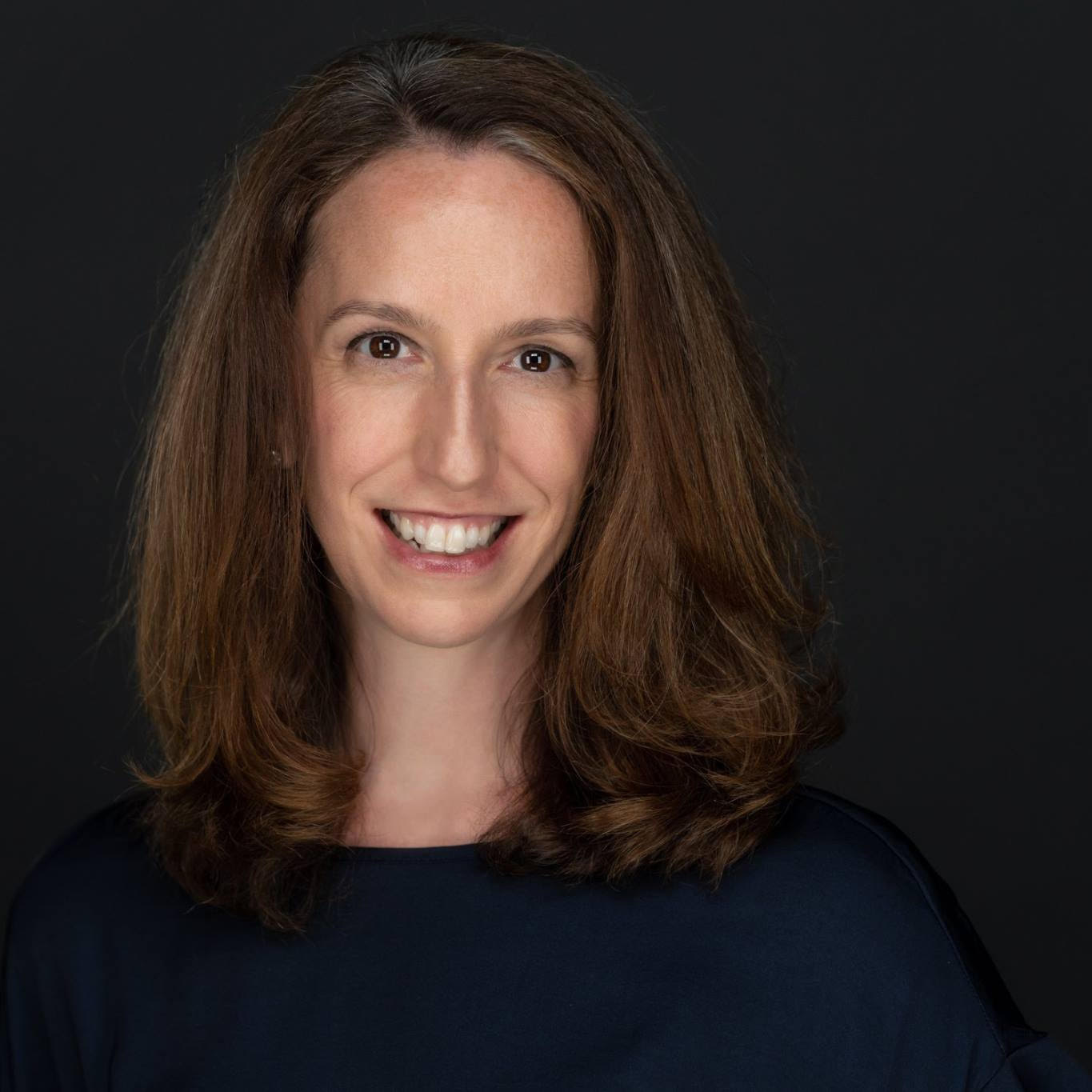
Dr. Jessica Drummond
Founder & CEO
The Integrative Women’s Health Institute
At the Integrative Women’s Health Institute, we’ve dedicated 17 years to crafting evidence-driven, cutting-edge programs that empower practitioners like you to address the complexities of women’s health.
Dr. Jessica Drummond’s unique approach focuses on functional nutrition, lifestyle medicine, movement therapies, nervous system dysregulation, trauma, and mindset – essential elements often overlooked in traditional health education.
In addition, your training will be fully evidence based, personalized, and nuanced (this is not a cookie cutter approach) in functional nutrition, exercise, recovery, cellular health, and all other lifestyle medicine tools.
You’ll learn to support your clients with cutting edge tools safely and effectively.