Follow Us for Free:


About the episode
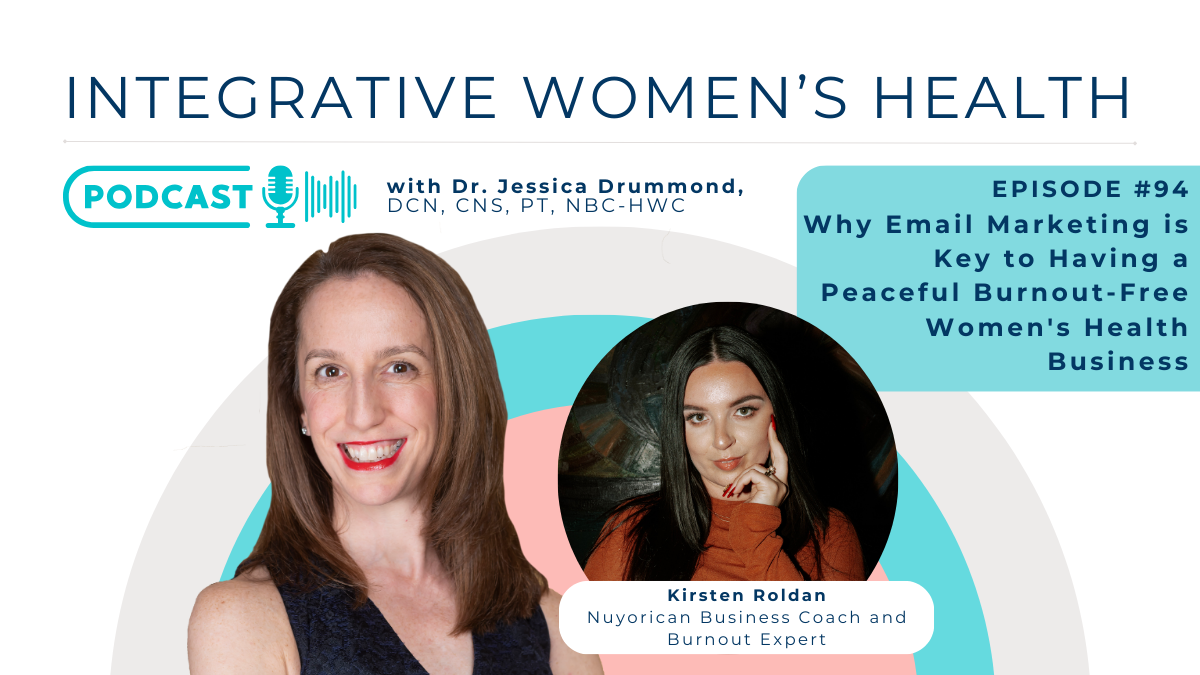
“A business needs to sell. If someone is annoyed by that, that’s on them.” – Kirsten Roldan
In a time where AI can generate endless words in seconds, it’s tempting to believe that writing no longer matters. But for those of us trying to build sustainable, ethical, burnout-resistant businesses, the opposite is proving true. The ability to clearly articulate what you do, who you help, and why it matters has never been more critical. Algorithms change, platforms rise and fall, but trust is still built through authentic human communication.
For many clinicians, marketing doesn’t feel aligned with the way we work with clients. Social media moves fast and rewards flashiness, but the care most practitioners value is built slowly, through consistency and trust. Long-form writing, like email, offers a different path that allows you to slow down, connect directly with your community, and build a business that doesn’t depend on constant visibility or output at the expense of your nervous system.
Today, I’m joined by Kirsten Roldan, Nuyorican Business Coach and Burnout Expert, to talk about why email marketing remains one of the most effective and practitioner-friendly business foundations available. We talk about the difference between permission-based and performance-based marketing, how small lists can generate meaningful revenue, why selling clearly is an act of service, common mistakes practitioners make when building email lists, how to write emails that actually get read, why developing your writing voice is essential, and more.
Enjoy the episode, and let’s innovate and integrate together!
Highlights
- Why writing skills still matter for health professionals in the age of AI
- Kirsten’s path from healthcare burnout to building a sustainable business with email
- Why email marketing is still one of the most effective tools for connection and sales
- The difference between permission-based email marketing and algorithm-driven social media
- How a small, high quality email list can outperform a large audience
- Why email became Kirsten’s core strategy for avoiding burnout
- How to write emails that get opened and read
- Ways to grow an email list without relying on social media
- Letting go of fear around unsubscribes and email frequency
- Segmenting and micro-niching your list for stronger engagement
- Building a list of engaged readers, not freebie collectors
- Using email as the foundation for all other marketing content
- Where AI can support writing and where it falls short
- How consistent email writing helps you find your voice over time
Connect with Kirsten Roldan
- Join Kirsten Roldan’s Email Series
- Website: KirstenRoldan.com
- Podcast: Business without Burnout
- Instagram: @kirstenroldan
- YouTube: @kirstenroldann
About Kirsten Roldan
Kirsten Roldan is a Nuyorican Business Coach and Burnout Expert who helps entrepreneurs make a lot of money peacefully. From her experience going from severe burnout to building a 7 figure a year business with a list below 1,000 subscribers and just a lean team of part-time contractors, she believes the 4 skills you need to build a peaceful business are email marketing, team, systems and mindset, and you can listen to her dive deep on these strategies on her podcast, Business without Burnout.
Ready to revolutionize your career and grow your practice?
- The Integrative Women’s Health Membership
- What is the next step in your career in women’s health and wellness? Start here: https://integrativewomenshealthinstitute.com/start-here/
- Integrative Women’s Health Institute on Instagram | @integrativewomenshealth
- Integrative Women’s Health Institute on YouTube
Learn more about The Integrative Women’s Health Institute’s Programs.
Click here for a full transcript of the episode.
Dr. Jessica Drummond 00:00:03 Hi and welcome to the Integrative Women’s Health Podcast. I’m your host, Doctor Jessica Drummond, and I am so thrilled to have you here. As we dive into today’s episode, as always innovating and integrating in the world of women’s health. And just as a reminder, the content in this podcast episode is no substitute for medical advice, diagnosis, or treatment from your medical or licensed health care team. While myself and many of my guests are licensed healthcare professionals, we are not your licensed healthcare professionals, so you want to get advice on your unique circumstances. Diagnostic recommendations treatment recommendations from your home medical team. Enjoy the episode. Let’s innovate and integrate together. Hi there. Welcome back to the Integrative Women’s Health Podcast. I’m your host, doctor Jessica Drummond. Today I’m going to introduce you to someone who I’ve recently taken some deep dive training with to strengthen my writing skills, which you might think is counterintuitive in the age of AI, when AI can write anything for us. But the reality is that basic AI tools and even custom AI tools, because you’re going to learn in our membership courses and our business training courses and our perimenopause and menopause certificate, exactly how to build your own custom AI tools.
Dr. Jessica Drummond 00:01:41 We teach that we help you build it in a way that has these really skillful marketing frameworks in the back end, and your own voice in the back end. You have to still write with it. Even if you use AI, and before you use AI, you’re going to get far better results, which we talk a lot about in this episode. If you develop and deepen your own writing skills, your frameworks, writing for business, for selling, for conversions, for marketing and messaging. These are very specific writing skills and you need to develop those. This is not something we learn in healthcare education and science education. So I want to introduce you to Kirsten Roldan. She’s a freakin business coach and burnout expert who helps entrepreneurs make a lot of money peacefully. From her experience going from severe burnout, coming from healthcare to building a seven figure per year business with a list of less than 1000 subscribers and just a very lean team of part time contractor, she has no employees. She believes the four skills you need to build a peaceful business are email marketing team, systems and mindset, and you can listen to her deep dive on her podcast about her strategies and her frameworks.
Dr. Jessica Drummond 00:03:07 And her podcast is called Business Without Burnout. And I did share a lot of my experience in my business on her podcast, and how my work with her helped to really develop our email marketing skills even more strongly. So one of the things to think about as you listen to this interview is despite the fact that I’ve been doing email marketing, writing content, writing programs, I mean, I probably write thousands of words a day and have been doing so for 19 years. It’s still an area where you want to develop your craft and you want to keep refining your skill set. So just because you’re already doing it, there’s probably a little nugget that you can learn here. And if you’re not doing email marketing at all, you don’t know where to start or anywhere in between. Dive in and listen to this episode and I’ll see you on the other side. Hi there. Welcome back to the Integrative Women’s Health Podcast. I’m your host, Doctor Jessica Drummond, and I’m here with Kirsten Roldan, who is, in my opinion, the best teacher of email marketing out there.
Dr. Jessica Drummond 00:04:24 I’ve been doing email marketing for 19 years, and I actually took her course very recently to learn from her because I think her approach is so dialed in. I think we all have to get better at the skill. Interestingly enough, I think health and wellness professionals need to become better and better at this skill, even if we’re already using it because of AI, not in spite of AI, because we have to be really, truly connecting To our communities and our audiences. So welcome, Kirsten.
Kirsten Roldan 00:04:59 Thank you so much for having me. I’m so excited and honestly, hearing that I didn’t even know how long I was. 19 years of using email just shows you what all the people that are like. Is email still working? Is email dead? It’s not. I always say I’m like, it’s been going on for decades. There’s a reason for that. And so I just I love that you put that out there.
Dr. Jessica Drummond 00:05:19 Yeah. I mean there are so many strategies now for lead generation, more social media strategies.
Dr. Jessica Drummond 00:05:28 But my business really started with live speaking to very small groups at first. And as you you know, when you talk about this a lot, I’d love to ask you this. My list, like everybody else’s list, is large now after 19 years. But it started with literally 20 people at a time. So talk about I want to. Before we dive into the specifics of email you’re also well known for kind of building a burnout prevention practice, which is a really important value here at our company as we transition to the new year. What are you thinking about in terms of how to build a business model around a practice with a burnout prevention focus?
Kirsten Roldan 00:06:12 Yeah. So just to give some context into me and my story, I actually come from a health care background. I was in cardiac ultrasound. That’s what I did. And then I was super burned out in healthcare, and I ended up starting a business so that I can work from home and heal from some injuries that I had acquired from working in healthcare, working on the floor.
Kirsten Roldan 00:06:33 And so when I started my business, I was like, great. Burnout doesn’t happen when you work for yourself and you work from home. Burnout only happens at the hospital. That is not true. That is not true at all, as I’m sure you all know. Right? So I thought it was the hospital that burned me out. Turns out it was the way in which I was working and thinking about work and productivity, etc. so when I started my business, I was like, okay, why am I still feeling like I’m gonna burn out again? Even though I thought I had the perfect situation now? And I learned that I was working just so much harder than I needed to. When you start a business, and even even if you’re not new to business, we get so much information inundated with information on how to scale, how to grow, how to make more money. And there’s 100 ways to do things. What I learned very early on, and I’m very thankful that I learned this in my first year of business.
Kirsten Roldan 00:07:28 Is that the number one way? The people around me were scaling peacefully, were the ones that were using email marketing. It was the people that were like, you know what? Everything else is a happy bonus. I’ll do the social media, I’ll do the YouTube, I’ll do the SEO of it all. But at the end of the day, the core of my strategy will be email marketing. And when I learned that, I was like, what am I doing? I need to build my business with email marketing at the forefront. And so to answer your question about what I think about when it comes to going into the new year, I always tell entrepreneurs, if you do not have email marketing as the number one way that you can make money right now, if you don’t think that you could go off social media right now because a lot of people are using email marketing, but they’re like, okay, but I still need social or I still need my, you know, whatever they’re using, whatever channels they’re using.
Kirsten Roldan 00:08:21 If you think that your business would not survive right now, then you need to be focusing on email marketing as you go into the new year. Because there’s so many. I’m sure you’ll ask me more about this because I can go on and on. There’s so many reasons why email marketing not only is the highest converting lowest return platform, but also it’s just making sure that you’re not building a business where it relies on something so ever changing. I mean, you will burn out with just trying to keep up with all of the changing platforms and things like that. So definitely, I knew I wanted to build my business with that at the forefront, and I recommend anyone that hasn’t yet to put that in their priority list.
Dr. Jessica Drummond 00:09:03 Absolutely. And I, I think the most important thing about email marketing is it’s a little bit long form. It can be long or short form. So you don’t have to write like books every time you send an email. But I think the way that as particularly the frameworks that you use in email marketing are very relationship focused and connection and storytelling focused.
Dr. Jessica Drummond 00:09:29 When we’re doing that on social media, it’s absolutely possible. But you haven’t sort of brought these people onto your real estate and then connected with them over time. So let’s talk about really some of the differences between email marketing and social media marketing, and thus why email marketing is is a better cornerstone.
Kirsten Roldan 00:09:54 Yeah, absolutely. So the main difference is that the way I like to describe it to my clients is social media is an entertainment based algorithm. Email is a permission based algorithm. When you’re dealing with an entertainment based algorithm, you’re dealing with short form content, which means that that content needs to be engaging and it needs to be entertaining to actually be pushed out to other people. Well, with email marketing, as long as you have permission to email them, that person is going to get your email whether they archive it, mark it on, read and put it in their in their trash box or not is a totally different story, but they will absolutely get that email no matter what. And so when you are dealing with a short form platform, you’re dealing with having to try to be entertaining and not necessarily trying to sell the service that you’re trying to sell.
Kirsten Roldan 00:10:46 Right. And so you’re really just trying to capture attention and that then you get caught in the hamster wheel of capturing attention. As opposed to email, there’s a balance of both. There’s capturing attention with the subject line. Yes. But you also have that opportunity to provide a thorough piece of content that helps them to convert as well, where it’s going to be a lot harder to convert someone from a short form reel and 150 word caption, right? Or even from a carousel. Because let’s say your carousel has all the information that they need in it, but they’re not reading a thick carousel because that’s not how people interact with short form, entertainment based platforms. And so when you are putting your entire and I’m not against social media, I think it could be a great way to build your list. I think it’s a great way to connect and share. I always say like, I’m a classic, like millennial baby, where I was raised by like YouTube and social media, I love it. However, when your entire business relies on it, you’re just working so much harder when instead you can use social media to capture attention.
Kirsten Roldan 00:11:54 Get them on your email list and then now you at least don’t have to rely on social media for finding leads. You have leads on your email list. Now you actually have an opportunity to convert them rather than just be saved for later in there in their save folder.
Dr. Jessica Drummond 00:12:10 Yeah. Which no one ever looks at. No.
Kirsten Roldan 00:12:13 Exactly.
Dr. Jessica Drummond 00:12:14 You save it and then do nothing with it. Exactly. One of the things I love about your business is that you got really clear on kind of understanding a very high value skill, and you created a business that I believe hit seven figures in revenue with an email list of only 1000 people. Is that true?
Kirsten Roldan 00:12:36 Yes, it was actually under a thousand, so I hit a million in a year. My first million dollar year was around the 900 subscriber mark. So it was under 1000 subscribers. Yeah. And I want to name this as well because people ask me, I had under 3000 social media followers as well. I had no YouTube channel that had any subscribers, at least I think I had one.
Kirsten Roldan 00:12:58 But it was like no subscribers and I had no other like audience channels. Often I didn’t realize this, but oftentimes I get the question, okay, what? You must have had a big social media following. I didn’t, I had to this day, I actually still have less than 10,000 total audience members.
Dr. Jessica Drummond 00:13:15 That’s great. And that’s I think that’s a really important metric because people think they need a lot of volume. But I think what both of us have done and we we have a much more substantial email list at this point, but our social media is actually only 20,000 of 20 years, because it’s not where we’ve given a lot of attention, because of how we create content. It’s much more combination of relationships plus value, plus actually teaching people things along the way that are related to our content. So we’re you know, I think the core benefit of your frameworks is how you position the ability to have people convert how people take action from an email. So if you’re thinking about writing an email and you’ve got a community of people who are following along, one big mistake I see a lot of our community make is that they keep connecting with their audience, but they never ask them to do anything.
Kirsten Roldan 00:14:15 Yes, yes, you have to start with that. It’s so funny. Like the lowest hanging fruit is always are you selling? Do you have an actual call to action at the end of every email? I think the newsletter is a very popular strategy that people apply, and a newsletter is not enough to sell people consistently. You can have a newsletter, right? And for those that don’t know, like a traditional newsletter is, you know, it’s a roundup of content, essentially where you’re sending them. This is everything you need to know about what’s going on in my community, or maybe favorite books that I like or podcasts that I’ve recently released that I want you to listen to. It’s a roundup of content, right? But that is not enough to consistently sell to people. People need to see you in their inbox consistently, multiple times a week, just like they need to see you in any other marketing channel multiple times a week in order to actually buy from you and remember to engage with you.
Kirsten Roldan 00:15:12 But then also they need to know what you’re selling. They need to know, like, what do you actually want from me? Why am I reading this email? And you would be surprised that I have so many people that are so scared to sell, especially practitioners, especially practitioners. They’re so scared to sell and be annoying to their audience. And you would be amazed at how many of my clients end up telling me they’re like, oh, my clients have been obsessed with my emails, even though I’m actually more salesy than I’ve ever been.
Dr. Jessica Drummond 00:15:40 Yeah. What are some of those keys to being obsessed? To actually have them being open and read?
Kirsten Roldan 00:15:46 Yeah, I think it all starts with the subject line. Number one, you your subject lines. You have to imagine what the person on the other side, what they’re seeing in their inbox. So when they open their inbox, what are they seeing if they’re just seeing another subject line that says last call name, where are you at name? Or like we’re just like, you know, like the clickbait, like, I almost died this week that all the clickbait, like those subject lines mean nothing to people.
Kirsten Roldan 00:16:15 They archive them, right? Or they get sent to spam. Instead, you want to have subject lines where when someone opens their inbox, they’re like, wait, this is me. This is something I have said. This is something that I want. This is a question that I have. So it’s going to be completely different if I send a where are you at name subject line or a click bait just to get opened subject line as opposed to something that would be relevant for me is like how to get more opens on your email list without being sleazy, right? That is something where when my client sees that in their inbox, they’re like, oh wait, that’s so valuable to me. That’s a question I’ve been asking myself. I really need that. So it starts at how are you serving your clients at the subject line? That’s the first value point. But so many people are just upset. It’s a selfish. People are selfish with their subject lines. They’re like, I just want them to get the open no, no, no, that’s your first value point.
Kirsten Roldan 00:17:10 So how are you serving value just in the subject line. Then from there, when you’re getting into the copy, the way you deliver value is not by creating how to one, two, three content that is not valuable to clients. And the reason being is because they know they won’t implement it. It’s okay, that’s not valuable. I’m not going to implement this. Why would that be valuable to them? Instead, what’s valuable to them is here is your problem. I have a framework or a solution for it, or a service that solves that problem. Here’s everything in your life that’s going to happen when I finally solve this problem for you. Here’s how to work with me. That is, nothing is more valuable than someone coming up to you. And for those that don’t see me, I’m like playing with my hair, right? Then someone coming up to you and is like, hey, you have a problem? I’m gonna solve it completely. Talk to me. Like what? That’s valuable.
Kirsten Roldan 00:18:04 Right? That’s why you don’t see it that way. They see it as like. Is that too salesy? No. Just imagine if someone came up to you, tapped you on the shoulder and said, listen, all your problems. I can handle it in a week. I can handle it in the next 90 days. That is so much more valuable, especially in the world of convenience. And so that’s how you need to be thinking about delivering value.
Dr. Jessica Drummond 00:18:24 Yeah, I think that’s so clear because we often get stuck in like our professional health care professionals especially. There’s a lot of stickiness around. I have to write this really evidence based content? I have to put this research citations in my email.
Kirsten Roldan 00:18:42 No please.
Dr. Jessica Drummond 00:18:42 Don’t. Yeah. You know, they’re talking at a really high level that their clients don’t really understand. But I also think that the bigger problems, even if they’re talking directly to their clients, they’re basically saying what they’re saying is open this. Here’s how you solve your problem. You’re on your own.
Dr. Jessica Drummond 00:19:03 Yeah. And then no one’s gonna do. And we know there’s clear data that between 1 and 4% will ever do anything. They’re just told.
Kirsten Roldan 00:19:16 Yeah, no one wants the research. No offense. Right. And you know, I say this with love because my actually, my mom owns a medical clinic herself, and she owns a a women’s health clinic. And I’ve had to give her similar, similar code. And I’m like, the research is fun and exciting to us as healthcare nerds, right? As medical nerds. But at the end of the day, people are like, okay, but why does this matter to me right now? Why is this something that I should care about in the era of, like I said, in the era of convenience and everything, it’s like you have to. What’s valuable to me is telling me why I need to care about this right now, as opposed to flooding me with research that it’s like, okay, but we we have research everywhere and I still don’t care.
Kirsten Roldan 00:19:59 So what are you going to write? I’m sad, but it’s true. Right. Yeah. Like, how can I how can I really think about my client and what they really need to hear, as opposed to what I just necessarily think is cool to share with them?
Dr. Jessica Drummond 00:20:13 Yeah. And I think sometimes those are a little bit of like a hook. Like, have you heard about this? You might be curious about this because.
Kirsten Roldan 00:20:21 It pays for it. Totally.
Dr. Jessica Drummond 00:20:24 And then it’s like, here’s the framework of how we help you with this. And then here’s the next step to take so we can help you with this. It’s a very a very easy flow when I think there’s a block there sometimes of people just being afraid to make sales in any way. So if we think about coming back to this idea of burnout, do you have any people in your community who don’t use anything but email marketing?
Kirsten Roldan 00:20:56 Yes, I do, I do. I have people who. So I always say, wherever you can build an email list, you can be you can build an email list off social media.
Kirsten Roldan 00:21:07 You just need to have a place where you can build it. So what I have clients. I have clients that some of them are solely blogging. They do blogging, they do SEO. That’s all I all they do. Some of them solely YouTube, some of them solely their podcasts and in person speaking referrals. My highest, even though I use social media because I like being able to use it as a happy bonus. My highest converting list builders are actually speaking engagements, referrals, and now most recently ads. Right. So I can use ads now as well. And I didn’t start using those consistently, by the way, until after a million. I think it’s very important no matter what. To make sure you know how to build your list organically and without paid traffic. So for me, it was speaking in referrals for a long time, and as long as you know how to do that, then going from there. But to this point, there’s also paid options. I have clients that will pay for sponsorships every year, whether it’s on sponsored.
Kirsten Roldan 00:21:58 They’re sponsoring other people’s podcasts, sponsoring other people’s email newsletters, sponsoring their events, whatever it is, there’s so many ways to build your list. What you have to do is you have to decide how much what side of the social media spectrum do I want to be on? Do I want to be on it? Not at all. Or do I want to be on it just sometimes. And then from there, choosing what is my strength if I’m not going to be on social media, what I do really well, creating consistent videos for YouTube, or would I do much better if I were doing speaking engagements? Right? And that’s how I grow my list. So it’s really deciding based on your strengths. But absolutely, I have people that are complete. They tell me all the time, they’re like, I never I always think about this one person. He was a he’s a playground designer. So random playground designer. And he’s like, I don’t even have a social media. And I’ve made like so much money and I’ve never had social media.
Kirsten Roldan 00:22:51 So I really resonate with you because I talk a lot about not relying on social media. He’s like, I’ve never had it. I just need to learn how to make more money with what I’m doing. So 100% it totally. It’s a spectrum. It’s whatever side you want to be on. But I definitely have people that are totally offline.
Dr. Jessica Drummond 00:23:04 I think that’s a really interesting example too, because that’s such a visual business that you would think it would actually do really well on social media.
Kirsten Roldan 00:23:14 And in-person workshops. That’s all he did his website and in-person workshops, and he would get referrals from that same.
Dr. Jessica Drummond 00:23:21 Honestly, probably for the first, gosh, ten, five, ten years, ten years, probably of my business. Same thing. Small speaking engagements, large speaking engagements, digital speaking engagements, and referrals.
Kirsten Roldan 00:23:34 And think about all the ways that every your everyday life, you probably give your email up at least at least once a week if you’re leaving your house.
Dr. Jessica Drummond 00:23:42 Right?
Kirsten Roldan 00:23:43 At least I’m not following Macy’s on Instagram.
Kirsten Roldan 00:23:47 I’m giving my email because I went to Macy’s and they collected my email upon upon purchasing something, right. So like you have to think about there’s so many businesses that thrive not using social media as their primary channel. You don’t have to be on TikTok. Like Macy’s is not on TikTok, I bet.
Dr. Jessica Drummond 00:24:04 I bet, yeah, absolutely. I’m not on TikTok. No. Absolutely not. So if we’re thinking about, okay, we’re a practitioner and we’re like your mom, we’ve run a women’s health clinic and 2026 next year, we want to be like, okay, I’m going to simplify and streamline so I’m not burned out. My core foundation is going to be consistent email marketing. And I think one of the fears which you touched on a minute ago that I want to just circle back to. Is that. Will I email them too much? What happens if they unsubscribe? Like, there’s a lot of panic around that.
Kirsten Roldan 00:24:37 Yeah, absolutely. So there’s a few things. Emailing too much you want to sell to the people that are most likely to buy right now if someone unsubscribed as they were not going to buy from you right now at least.
Kirsten Roldan 00:24:53 Right. And what will likely happen, which happens to nearly all of my clients, is that person. Unsubscribe. And next thing I know, that person re subscribed to their list later on. I don’t believe in losing leads. If you kind of white knuckle and like tightly grip your subscribers, it’s because it’s coming from the mindset that you could lose a lead. But if you’re consistently generating, you have a consistent lead generation strategy, right? You never lose a lead. A lead is never lost. You just replenish it. Your goal for your email list is to convert as many people right now as is possible all the time. Right. And so with that, when you’re looking at an unsubscribe, I tell my clients I’m like, why would you. That person wasn’t going to buy from you right now. And they’ll come back. Then it becomes, well, I don’t want to be annoying. And that’s where you have to shift your mindset around value. again, is it annoying to have someone come up to you and be like, I could solve all your problem, your problems? Right now? That’s not annoying to the right person.
Kirsten Roldan 00:25:53 And so as a business owner, it’s not our job to focus on the people that are annoyed by the fact that we’re doing basic business operations. A business needs to sell, right? If someone is annoyed by that, that’s on them. And and it’s about shifting your mindset. Something else that I say, and this is where I paused myself and wanted to give that, you know, that initial because my spicy answer is write better emails, right? If somebody is if you’re getting mass unsubscribe, you probably need to be writing better emails, right? It’s very rare that someone will get a massive amount of unsubscribed, unless you built your list the wrong way in the first place. They were not ideal leads or you’re not writing that good of emails. Those are the two reasons you’ll get mass unsubscribed. So whenever I have some, you know they lose a subscriber here and there, I’m like, that’s normal. That’s just list cleaning. But if someone is losing like 100 plus subscribers at a time, I’m usually like, how did you build your list? You didn’t build it right? Because if you’re losing that many people and you’re writing good emails, you just your list was not built in a way to actually have ideal clients.
Kirsten Roldan 00:27:02 So don’t look at that as you being annoying. Look at that as you need to change your lead generation strategy.
Dr. Jessica Drummond 00:27:07 Yeah, I think that’s really important. And I think, you know, I’m thinking about a business in our community of a nurse practitioner who does health coaching for perimenopause and has a wing of her practice that can do the prescribing of hormones and other medical therapies. And so if you think about it, if she’s writing an email that is annoying her community, it’s only because she’s not talking to them about the problem that they’ve come to her to solve. You know, if she’s sending a bunch of emails about the latest detailed research on, I don’t know, hair loss and hormones, that’s fine. But it doesn’t really take the it doesn’t connect why they’re there and or and I think this sometimes happens to people get a little frozen and they like forget what the email is for. They’re starting to write like personal emails about their dog and their own story and like, yeah, that also it just, you know, it just doesn’t make that connection between why someone has bothered to sign.
Dr. Jessica Drummond 00:28:14 Like if Macy’s starts writing me emails about the the historical family of Macy versus being like, you can get 10% off if you buy a red sweater this week, it’s a really different like. That’s why I’m at Macy’s. I don’t really care so much about the history of Macy’s in 1920. So.
Kirsten Roldan 00:28:33 Exactly, exactly. And that really is a good example of I actually was just coaching someone who also supports the perimenopause. What are your clients? I call them urgency points. What are the parts about perimenopause, for example, that affect your clients the most and make them actually want to work with you right now. So for example, perimenopause so much of it there’s there’s weight gain that’s discussed. There’s stress levels and lack of sleep that’s discussed. Right. There’s several things that deeply affect your clients on a daily basis that they would rather hear about than that. Like you said, the research. So it’s like, how are you going to help me lose all this weight that I just gained? How are you going to help me reduce my stress and actually be able to sleep again? Because my insomnia is like through the roof.
Kirsten Roldan 00:29:22 Now, how are you going to help me to stop snapping at work and to feel like I’m so burned out at work right now? That is what you need to be talking about. It’s not the perimenopause itself that’s important, right? Because that’s a part of your ideal client and what they’re dealing with. But what makes them actually join and get the help that they need is when they see that you’re solving the most important things to them about that thing.
Dr. Jessica Drummond 00:29:48 And I think it’s even more like we talk about almost like micro niching sub niching because perimenopause is it’s literally like 6000 women a day. So that’s a very general topic. So but yet if you think about, you know, the example that I was giving my student this morning, she has a very specific practice group and a relatively small town in a relatively rural area, but a lot of people who live there because they love the outdoor activities. So one of the things that perimenopause is, is causing for these women is they’re either too fatigued or they’re not sleeping well, that they can’t kind of go out and ski with their friends, or they’re having too much like general pain, like hip pain and the shoulder pain and frozen shoulder.
Dr. Jessica Drummond 00:30:32 And that’s all related to menopause. So that’s speaking directly to her audience. If she talks about that, like if you’re losing out on your social life this winter because you can’t ski versus someone else in perimenopause space, you might have built their list by giving talks once a week to a large international law firm. Those women are also in perimenopause, but they care a lot about like brain focus and being able to do presentations and not losing it, you know, not not sweating through their blouses like it’s a there’s a focus on exactly what the problem is that I think is so important when we’re writing for our audience.
Kirsten Roldan 00:31:13 Yeah. And I like how you said knowing how you built your list and who is on your list is an important part of it, because yes, you may maybe right now you’re targeting a certain demographic. But how did you build your list? If you want to convert from your list, then speak to those people as well. And it’s always a both and and that’s why, you know, I say I’m like, the more emails you send, the better, because you can address all the different corners of your audience rather than just.
Kirsten Roldan 00:31:37 And you and people may say, well, why would someone join on my list or stay on my list if I’m talking? Sometimes I don’t talk about brain fog. Sometimes I talk about something that’s not relevant to them. And I always say I’m like, first of all, people are not paying attention that much. They they’ll they’re just waiting there. I always say they’re waiting for their email. So what’s happening is they’re waiting for the subject line that’s relevant to them. That’s it. That’s all that’s going to happen.
Dr. Jessica Drummond 00:32:01 Yeah. Macy’s shows shoes and sweaters. You don’t always want to buy shoes. Yeah I love this. So any other insights kind of what is your what’s your recommendation for our students and graduates as they go into the next year. What’s the next first step for them to do?
Kirsten Roldan 00:32:22 Next first step is going to be really to start building your email list. We’ve talked a lot about, you know, lead quality and things like that. And I think that you need to really think about how you’re building your email list, especially health related clinics and things like that.
Kirsten Roldan 00:32:36 Because and practitioners, because oftentimes I see a lot of narrow topic freebies. So for example, here’s a freebie on insulin resistance. Here’s a freebie on cortisol. Here’s a freebie on perimenopause. Like very specific specific freebies. And that’s how they grow their list. And what I say is that what you end up doing is you end up building a list with people who want the freebie, which is fine. We all want free content. That’s not a problem. But you also build a very segmented list. So now you’re building a list of like some people want insulin resistance, some people want cortisol, some people want this, some people like that. And then you never know what to write to these people.
Dr. Jessica Drummond 00:33:13 Yeah. Yeah. Because you don’t know who’s on your list. Yeah.
Kirsten Roldan 00:33:15 You don’t know who’s on your list. And so what I tell people is Build your list with people that just want emails from you every week. Whatever you send, right? They want to read whatever you want to give them because they know that you can solve their problems, right.
Kirsten Roldan 00:33:33 And so I would rather you say I’m going to be instead of building a brand new freebie, I would rather you say, I’m going to be sending exclusive email content every single week on perimenopause and how to reduce brain fog, lose weight, XYZ, whatever it is, right? Send emails every single week on it. I would rather you build your list with people that are like great a I’m opting in to receive consistent emails, which means I’m less likely to unsubscribe when after I get free content, you start sending emails. That’s why so many freebies they get mass unsubscribed because they didn’t subscribe to consistent content. They subscribed to the freebie. The one time freebie. Yeah. So you’ll reduce your describes. Right. But then also you’ll actually have an engagement and a nurture strategy as well. Now you’re going to be like, okay, I built this list with people who want exclusive content from me. Now I’m going to start sending that exclusive content. And so now you’re consistently engaging old people, old subscribers and new subscribers, and now you’re going to be able to convert them better.
Kirsten Roldan 00:34:38 So I would just say, please don’t make a freebie in 2026 if you don’t need to. Not that I’m against them. I’m just like, start with kind of playing with building your lists with exclusive content and just a simple opt in as opposed to another one time, one off freebie that will help you to build a list of readers that actually want all of your emails.
Dr. Jessica Drummond 00:35:01 Yeah, you’re essentially opting them into the experience of getting your emails versus opting them into download some checklists that we all know they’re not going to do.
Kirsten Roldan 00:35:13 Exactly. They’re not going to do again, it’s not valuable to them. If it’s not, if it’s a how to. Don’t make me do well.
Dr. Jessica Drummond 00:35:21 And I think the problem is when you actually build your list based on that, you also they don’t think your stuff works because they don’t do it. They’re not going to do it.
Kirsten Roldan 00:35:31 Exactly.
Dr. Jessica Drummond 00:35:31 So I really love that strategy. I think that’s an awesome first step. So anything else you want to share with us before we wrap up today?
Kirsten Roldan 00:35:40 I think just email marketing.
Kirsten Roldan 00:35:43 What I want to say is there might be some people that are like, well, now I’m going to double my to do list. Now I got to learn how to write emails, and it’s going to be a lot of work. And I’m already, you know, I’m trying to not burn out. Here’s what I will say. When you are sending exclusive email content, it will it should half your marketing. What that means is that your first piece of content is your email, and then you can repurpose that everywhere else. I have clients that will use, you know, ChatGPT if they don’t have a team member to turn it into carousel posts or, you know, feed, feed posts or whatever. I have clients that literally will read their emails on a live video. They will read their emails on live. Right? So I don’t want you all to think of this as double the work. I actually want you to see it as if you’re if it’s double the work, you’re doing it wrong.
Kirsten Roldan 00:36:30 It needs to cut your workload in half. And so right now, you’re likely writing emails and creating content and doing speaking engagements and doing this and doing that. I always say every piece of content I create on my podcast, on my YouTube channel, on my social media, even my speaking engagements are fully pulled from my email marketing. I never do extra work, and I always tell people, give me one year of writing emails. You’ll never have to write another piece of content again in your career. One year of writing emails, it’ll take you all the way.
Dr. Jessica Drummond 00:37:01 I completely agree with that. And the other thing I think is really important about that is you also really should commit that year, because what we’re about to start seeing is a lot of absolutely terrible content because AI really it can write well if you feed it your perspective, your voice, your real stories, your connections, your experience, which you can choose to do or not do. There’s some real good reasons not to do that, but if you do so, it can.
Dr. Jessica Drummond 00:37:38 It has that skill. It does not have that skill. Without your human ingenuity. It’s otherwise you get a lot of absolutely terrible plagiarist stuff that everyone knows is AI.
Kirsten Roldan 00:37:55 Yes. And actually, let me touch on AI briefly. I have a copywriting agency right now, and we use AI in our in our agency. And we have built myself, I built from scratch a custom most people are just using. They’re just going on clod or going on ChatGPT and using the general chat. I have a custom coded bot with all of my philosophies, all of my frameworks, everything I believe I have. Rules don’t sound like AI here. Don’t do this, don’t do that. I mean, it is custom coded. Most people aren’t even using that, right? Custom coded. We still have to budget for hours every client because there still needs to be human strategy. Human, human. Yes, it can help certain things go faster, but I have a custom coded bot with my email marketing expertise, and I still have to add a lot of human touch now will that lightly.
Kirsten Roldan 00:38:50 You know, I’m always looking at ways we can improve it, etc. but I think about how so many people are writing emails with AI and I’m like, you don’t even. You’re just using the general AI bot. You don’t even have a custom code bot. So imagine, imagine like I can’t, I can’t. And so I think that it’s so important to know that even the. The top experts who use AI still need that human touch in order to go in and sweep through and make sure that it has that that human magic. Of course.
Dr. Jessica Drummond 00:39:23 100%. And I think it’s so good for the person who’s actually running this business and building those relationships with their community to develop their own voice. So, like you said, commit to one year to really figuring what that is 3 or 4 times a week. Like, it doesn’t have to be 20 hours, but four hours a week, I think is very reasonable in the first year to just really develop your own voice. And then, like you said, you I’m sure you can hop on a podcast once a week and you barely have to prep.
Kirsten Roldan 00:39:56 Yeah. And at the end of the day, you you need to. I love that you said that. I always say writing emails is the best messaging strategy because it helped nobody write. When you have to write about your offer over and over and over again. I mean, call me old school, but I’m just like, Thank God I went through college, you know, without ChatGPT because I’m just like, the skill set of knowing how to write about your own offer is so important. It’s so important. And so I completely agree. I’m like, even like I said, even with extensive use of AI, I’m still like, no, but I could not use it if I didn’t have this right. The writing skills that I have. And so it’s important 100%.
Dr. Jessica Drummond 00:40:39 So how can people find you if they want to go deeper and actually use your trainings to make their emails better, or start their email list if they don’t know where to start?
Kirsten Roldan 00:40:48 Yes, you can join my email list at.
Kirsten Roldan 00:40:51 I send exclusive content every single week on email marketing. I also talk about team systems and mindset because my whole thing is I want to help you make a lot of money peacefully, and I believe those are the four key skills to doing so. You can also listen to my podcast business without burnout. I go in-depth all the time on email marketing strategies and just scaling strategies in general to make sure you’re building a business peacefully. And those are the top places. And then if you want, you can follow me on Instagram as well and on my YouTube channel here.
Dr. Jessica Drummond 00:41:18 Scroll down. Thank you so much for being with us, Kirsten. This is really inspiring and I hope energizing for our community.
Kirsten Roldan 00:41:25 Yes. Thank you for having me.
Dr. Jessica Drummond 00:41:31 All right, friends, so you heard it here. One year of writing. Just a few hours a week. Get clear on your messaging. Get clear on your offer, build your writing muscle, and then you may never again have to build content. If you’re like me, if you’re a constantly curious bird, you can always keep learning things and keep writing about them and keep sharing them and build more products and expand your services and support different audiences.
Dr. Jessica Drummond 00:42:01 But also, if you care a lot about taking the time and space to heal from your own burnout, you can very successfully like literally multiple six figures to seven figures successfully with very low overhead. Probably not anywhere near more than 40 hours a week, sometimes more like 20, 25, 30 hours a week, maybe even less. If you commit this one year ahead to strengthening your skill set of writing a few emails every single week, and then continuing to work with us through the business coaching to learn how to build your custom AI tools and utilize them to help optimize your writing. And also take that that writing content and make it into a YouTube video, or make it into a social media post. There’s so much opportunity now for repurposing content, either hiring people in your business to do that, or using custom AI tools. We’re here to support you with that, but the skill you need to practice and develop this year? Learn to write. Practice writing. Communicate with your community. Follow the frameworks we talked about here and let’s keep learning this together.
Dr. Jessica Drummond 00:43:15 This is a really important skill for every women’s health and wellness professional to learn and practice. This coming year, if you want a calmer, higher converting business. I’ll see you next week. Thank you so much for joining.
Dr. Jessica Drummond 00:43:35 Me today for this episode of the Integrative Women’s Health Podcast. Please share this episode with a colleague and if you loved it, hit that subscribe or follow button on your favorite podcast streaming service so that we can do even more to make this podcast better for you and your clients. Let’s innovate and integrate in the world of women’s health.
Join Dr. Jessica Drummond to learn the three key steps to becoming a successful, board-certified Women’s Health Coach who leaves a lasting positive impact on their clients.
Learn how utilizing health coaching skills in your practice is crucial to your success, leaving a lasting impact on your clients, and shifting the paradigm of women’s healthcare.
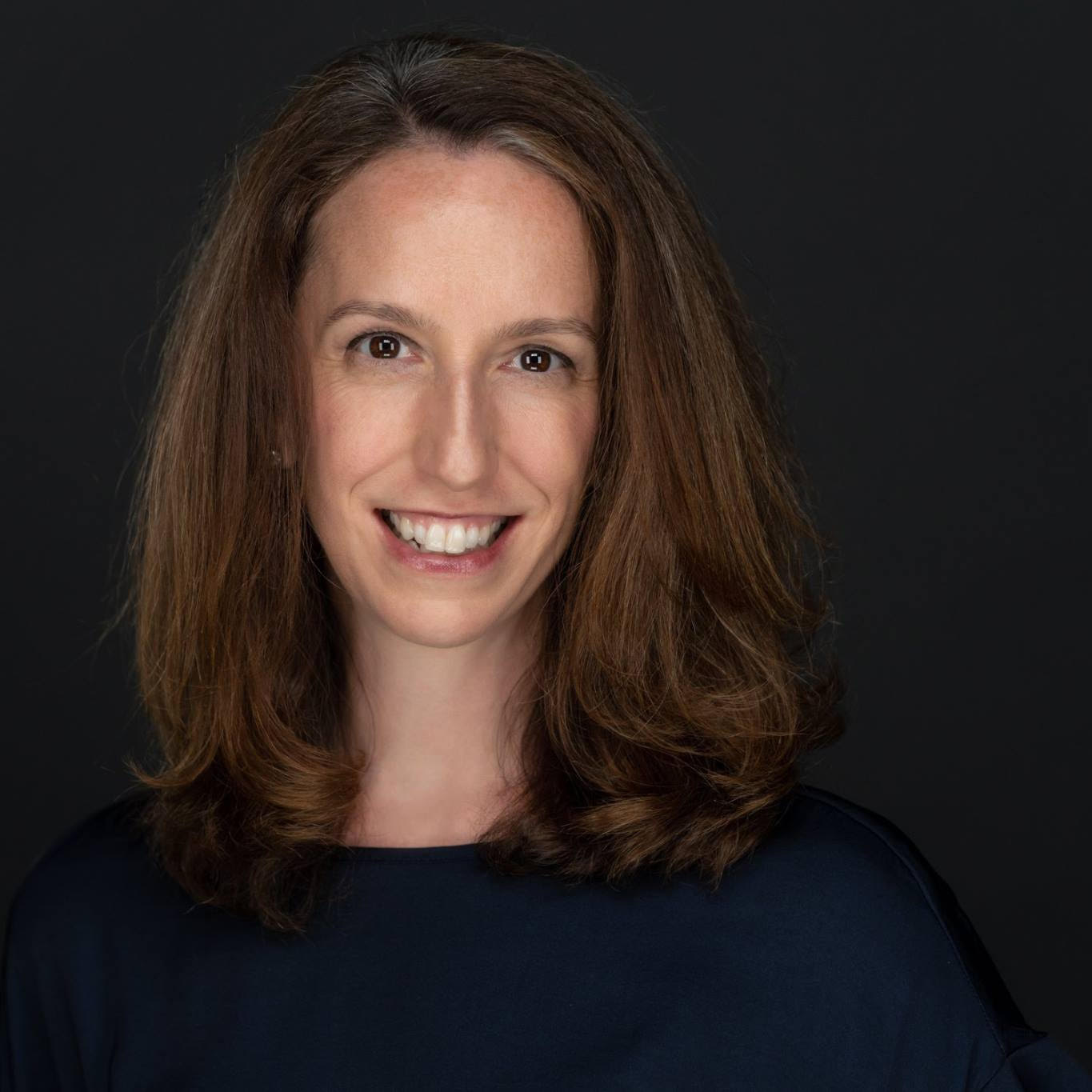
Dr. Jessica Drummond
Founder & CEO
The Integrative Women’s Health Institute
At the Integrative Women’s Health Institute, we’ve dedicated 17 years to crafting evidence-driven, cutting-edge programs that empower practitioners like you to address the complexities of women’s health.
Dr. Jessica Drummond’s unique approach focuses on functional nutrition, lifestyle medicine, movement therapies, nervous system dysregulation, trauma, and mindset – essential elements often overlooked in traditional health education.
In addition, your training will be fully evidence based, personalized, and nuanced (this is not a cookie cutter approach) in functional nutrition, exercise, recovery, cellular health, and all other lifestyle medicine tools.
You’ll learn to support your clients with cutting edge tools safely and effectively.