Follow Us for Free:


About the episode
“Every woman’s cycle is different, and it can change from one cycle to the next.” – Sabrina Nowicki
For many women, tracking their cycle is synonymous with app predictions. An app tells you when you’re ovulating, when your period is coming, and what to expect next. But that model assumes that our bodies all follow the same pattern month after month, which is rarely the case in reality. Our cycles are influenced by stress, travel, illness, sleep, underlying health conditions, and many other factors in our daily lives. When we learn how to listen, we make room to hear what our bodies are telling us in real time.
While digital tools can make tracking more convenient, they don’t replace the need to understand your own physiology. Learning to recognize patterns in cervical fluid, basal body temperature, and cycle variability isn’t just about fertility. It’s about developing a deeper relationship with your body and empowering yourself in a way that can support you and even make earlier identification of health issues more likely.
Today, I’m joined by Sabrina Nowicki, co-founder and CEO of Cyclisity, an app inspired by the work of Toni Weschler and her book, Taking Charge of Your Fertility. Sabrina shares the story behind building the app and how it was designed as a companion to the fertility awareness method rather than a predictive tool. In this conversation, we talk about the limitations of algorithm-based cycle tracking, why awareness is more accurate than prediction, how charting can support both fertility and diagnosis, how clinicians can integrate this approach into their practices, and more.
Enjoy the episode, and let’s innovate and integrate together!
Highlights
- How Sabrina’s journey led to the creation of Cyclisity
- What it takes to build a women’s health app from idea to launch
- What makes Cyclisity different from other cycle tracking apps
- Why manual charting is still essential and what algorithms cannot replace
- The learning curve of fertility awareness
- How passive tracking tools compare to active charting
- How practitioners can integrate fertility awareness tools into their practices
- How charting can act as a diagnostic aid
- What the research says about the effectiveness of fertility awareness for birth control
- Why understanding cervical fluid is foundational to both fertility and overall health
- How Cyclisity approaches data privacy and keeps users in control of their information
- The broader role of fertility awareness education in closing gaps in women’s health knowledge
Learn more about Sabrina Nowicki & Cyclisity
- Cyclisity App
- Cyclisity on Instagram @cyclisity
- Toni Weschler’s Book | Taking Charge of Your Fertility: The Definitive Guide to Natural Birth Control, Pregnancy Achievement, and Reproductive Health
- Sabrina Nowicki on Instagram @wanderingsabrina
About Sabrina Nowicki
Sabrina Nowicki leads Cyclisity with an engineering and product design background, bringing the technical expertise and user-centered thinking critical to making Cyclisity a successful Fertility Awareness Method cycle charting app, and the official charting app of Taking Charge of Your Fertility (TCOYF). Importantly, Cyclisity was also co-founded by Toni Weschler, MPH, the author of Taking Charge of Your Fertility, and was built from the ground up to mesh perfectly with the TCOYF knowledge base and approach to FAM.
Learn more about The Integrative Women’s Health Institute’s Programs
- Perimenopause and Menopause Certificate Program
- The Integrative Women’s Health Membership
- Endometriosis Certificate Program
Ready to revolutionize your career and grow your practice?
- Integrative Women’s Health Institute on Instagram | @integrativewomenshealth
- Integrative Women’s Health Institute on YouTube
Click here for a full transcript of the episode.
Dr. Jessica Drummond 00:00:03 Hi and welcome to the Integrative Women’s Health Podcast. I’m your host, Doctor Jessica Drummond, and I am so thrilled to have you here. As we dive into today’s episode, as always innovating and integrating in the world of women’s health. And just as a reminder, the content in this podcast episode is no substitute for medical advice, diagnosis, or treatment from your medical or licensed health care team. While myself and many of my guests are licensed healthcare professionals, we are not your licensed healthcare professionals, so you want to get advice on your unique circumstances. Diagnostic recommendations treatment recommendations from your home medical team. Enjoy the episode. Let’s innovate and integrate together.
Dr. Jessica Drummond 00:01:02 Hi there. Welcome back to the Integrative Women’s Health Podcast. I’m your host, doctor Jessica Drummond. Today we have an awesome episode with Sabrina Nowicki. If you have heard of the book Take Charge of Your Fertility by Toni Weschler. And if you’ve been in integrative women’s health or women’s health in general at all in the last 30 years, you’ve probably heard of this book.
Dr. Jessica Drummond 00:01:24 So Sabrina is Toni Wexler’s niece, and she’s going to give us her background in software engineering, tech product management. And she happened to marry a biotech venture capitalist physician, and the two of them collaborated with Toni to bring her classic educational work on the fertility awareness method. And we’re going to talk about specifically which one in this episode into the digital age. And we’re going to talk a lot about the risks and benefits of cycle tracking. Why you have to be so careful with your data. You absolutely do. We’re in a very fragile time around women’s health data. Why? They built this app company the way they did, and how this app really integrates true physiologic wisdom of women’s health for women, really understanding their cycles, their cycle signs, how their cycle interacts with the whole rest of their physiology. Which is why we need to track temperature and not just cervical mucus and a few of the other tools that are tracked, or a few of the other signs that are tracked. So if you are in an allied health or acupuncture, wellness, health coaching, gynecology, if you work with women at any age or stage who want to understand more about their gynecological health, birth control options and fertility options.
Dr. Jessica Drummond 00:03:00 This is an episode for you, and I really respect Tony’s work. It’s been absolutely classic. It really helps women take empowered ownership of understanding their own health. And then Sabrina and her husband bring to this work that digital lens, so that Tony’s classic educational work can really be brought into this modern time and reach women all over the world that it may not have been able to reach before. So enjoy this episode and listen for how you might integrate the fertility awareness method into your practice, what questions you have about it, why someone might want to track this digitally, why that is actually empowering for women. And while I am a strong supporter of absolutely all forms of birth control, I think women really understanding their choices is one of the most important things we can do in the birth control conversation. So I’ll see you on the other side.
Dr. Jessica Drummond 00:04:11 Welcome, Sabrina.
Dr. Jessica Drummond 00:04:13 So share with us your story of how you got involved in this project and how it was inspired by your aunt’s worked.
Sabrina Nowicki 00:04:22 Absolutely. Yeah, I would love to.
Sabrina Nowicki 00:04:24 So yeah, as you mentioned, Toni Weschler is my aunt and we’re very close. We’ve been closed since I was a little girl. I moved to the Seattle area where she lives when I was around 12 years old. And so what’s really funny? I’m going to just give you a little bit of a personal story and how this was all built. But what was funny is I feel like a lot of aunts and uncles, they either celebrate holidays big with you or your birthdays big with my aunt, who, as you all probably know, is taking charge of your fertility and is really all about women’s health. She decided to celebrate the day I got my period really big. And so what happened was every year since I got my first period, we have had a tradition where she takes me out to lunch and we go to a different restaurant with different ethnic foods every time, and it’s became this yearly tradition. And it was really fun because we talk about just what’s going on in our life that year, or womanhood in general.
Sabrina Nowicki 00:05:19 And after about, I would say, maybe 18 years of doing that. There was one year where Tony and I were at one of those lunches, and she was talking about how she has gotten so many requests to build a app for the book, and she knows that the market is really saturated, but she felt as though there wasn’t one that she really felt like really comprehensively followed the fertility awareness method as she teaches it in her book. And she had this vision of a perfect companion with more of an educational tool for women. So that’s a lot of women who learned the fertility awareness method at the self-paced, self-taught method learned from Tony’s book. But she wanted like an extra way to be able to help those women to feel more confident in charting. And so as she’s talking about this, she’s talking about her vision that she wish she had done this and all that. And I was like, wait a minute, I have a background in software engineering and product design. And my husband actually went to medical school and has a background and biotech venture capital.
Sabrina Nowicki 00:06:22 And I was sitting there being like, Tony, I actually feel like we might have the perfect team to bring your vision to life. And so we got really giddy during that lunch and started thinking about what that could look like. And the moment I got home that day, I talked to my husband about it, and he saw the potential right away. And he understood the medical side of how the fertility awareness method actually works and how it’s scientifically based. And she’s actually never learned about this in medical school, which is actually quite common, but could understand the why this would be effective and what an impact it could have having all women throughout the world, and thought that this would be a wonderful, like family project to work on together. And so that’s how I was born, really. This was about maybe 3 to 4 years ago now of us just talking about it, to getting it down, drawing it on paper and then getting it into like design tools and then hiring an engineering team. And yeah, so we’re really excited to announce that it is on the Apple App Store now.
Sabrina Nowicki 00:07:18 It’s called Cycle City and it’s the perfect companion app to the book Taking Charge of your fertility. And we’re currently working on the Android version.
Dr. Jessica Drummond 00:07:26 I love that, I love the inspiration. I love that I always say to our students, so often, everything you need is already available to you. This idea that you already have this clinical and tech background in your immediate family, and then your aunt had has this knowledge base that is educated, probably over 100,000 women at this point, maybe more. So if you think about the design of the app, what were the kinds of things you were looking to differentiate this app and what is the real goal if someone’s going to pick it up? Why are they using this app?
Sabrina Nowicki 00:08:04 Yeah, I love this question so much. So, you know, as you’re saying, what was the goal of the app? We did look at what was out there in the market. We didn’t want to bring something that it’s already out there. People have access to it. We really want it to be like, this is going to help women really feel confident in charting.
Sabrina Nowicki 00:08:20 And so there’s actually four very unique things I would say about our app that really differentiates us from what’s out there. And the first thing is that, as Tony mentioned, there wasn’t any app that was really the perfect companion to the way she teaches the fertility awareness method. And the one that she teaches in her book is called The Simple Thermal Method. And it has a very scientifically back, like I would say, comprehensive method. There’s a lot of fertility awareness based methods, and they use certain biomarkers or fertility signs, but maybe not all of them. The fertility awareness method. The simple thermal method uses all three, meaning it uses basal body temperature, cervical fluid and optionally cervical position, which I’m happy to go over in a bit if that’s something that your listeners might be interested in, but basically it uses all three. And even within the thermal method, there’s different languages that different people use to describe specific elements, such as. Toni describes cervical fluid as going from like dry to sticky to creamy to egg white.
Sabrina Nowicki 00:09:23 But not all apps describe it that way. So we wanted to make sure that someone learning the method from the book had a really easy time implementing that method. And so the app uses the exact same terminology and language that the book uses. And so there’s no confusion when you’re learning from it, from the book and applying it in the app. The second thing is that there is no app out there that actually has a knowledge base, like taking charge of your fertility. And so you could think of taking charge, I’ll just say taking charge for short because it’s a long title. As like a manual to the book, as in, there’s all there’s references in the book. In the app that takes you back to the book. So for those of you that might have seen the book or have the book at home, I know that you know that it’s a very thick book and some people are intimidated by that. But I really don’t want people to be intimidated because you can use it like a reference book.
Sabrina Nowicki 00:10:14 Tony talks about how the book is written for for different audiences. And so it’s really if you use it as a reference book, it’s actually not that thick, and you can just read the chapters that are relevant to you. But with the app, it makes it really easy, because let’s say you were charting your cycles and you were charting the two required signs, which is basal body temperature and cervical fluid. But one day you feel really confident charting that and you’re like, okay, I want to try charting cervical position, but I don’t actually remember how to measure that. The app will tell you exactly where to go in the book, to be able to learn how to measure that and incorporate it into your practice. And that’s something that’s very unique about our app. The third thing is that the biggest thing about Cycling City that we want to focus on is that we really want it to be an educational tool to help women feel really confident in their practice. And so what I mean by that is it’s not an FDA approved medical device.
Sabrina Nowicki 00:11:08 We don’t give medical advice, but we do give the information needed to increase your education at a much faster rate. And so how we do that is we run the four FAM rules apps taught in the book, in the app, and so it’s running in the background. It’s not a predictive app. So one thing that Tony was really concerned about with all the apps that are out there, and it’s also a concern that I share, is that there’s so many apps that are predictive, which means it takes an algorithmic, rhythmic, mathematical approach from past cycles and then applies it to future cycles, meaning it predicts your future ovulation, which is very concerning and inherently flawed because every woman’s cycle is different. Not only is mine different from yours, but also within each within their cycles from one to. Another could be different because ovulation could be delayed based on numerous factors, such as stress or traveling between time zones and so forth. And so we really shouldn’t be predicting any type of ovulation in the future. Our app is really about the fertility awareness method, and it is running the rules day by day, as taught in the book, to see whether you are in or not fertile that day.
Sabrina Nowicki 00:12:20 And it’s all based on the rules as taught in the book. And so by having it in the app, it helps you just double check your work. It’s really important that you understand the method by learning it from the book, but it helps you learn faster because you could be like, oh, why was this cover line drawn this way? And the fourth thing that’s unique is actually we just launched this feature in the chart. When you click on a specific day, we’ll tell you exactly what rules it was running the classify that day a certain way. And so this again is helping with learning. So when you read the book there’s only really if it comes to trying to not get pregnant using a fertility awareness method. There’s four rules that you have to follow from the book, and the rules are written in a very conservative way so that you’re practicing it safely. But within those four rules, there’s a lot of sub rules, like what happens if your temperature is shifting up and down, what happens if you know you’re having like a slow rise and it gets complicated once you get into those like complex rules, the app is running those rules, all of those rules.
Sabrina Nowicki 00:13:19 So it’s helping you double check your work. And now, if you’re like, confused on why your certain day is fertile or why certain day has like a cover line in a certain way. You could click on that day and we’ll tell you the exact rules it was running to get to that day. So a lot of apps out there, it’s like black box algorithm where you don’t know why a certain day is telling you why you are and are not fertile, but ours is a completely different approach. We’re actually exposing exactly the rules it’s running because again, it’s not a secret. It’s the rules you’re learning in the book Taking Charge. And we’re really just here to make the method easier to learn. And our goal with cycling is to make the fertility awareness method as accessible as possible to anyone who wants to learn it.
Dr. Jessica Drummond 00:14:03 Yeah, I think that’s really valuable, because one of the challenges we have with app and AI based tools is that, as you said, we often we almost never know what the model is in the back and what data that model is using.
Dr. Jessica Drummond 00:14:21 And then sometimes and we’re getting to this point where whether you want to call it AGI or not, but sometimes we’re getting to this point where the model itself is actually iterating itself in a direction that is not really controllable if you’re building it off of a larger LM, for example. And so I think that how you’re doing this is really valuable. Now, I think the challenge is that essentially it’s still probably a bit more manual. Are people having to put in their data? Does that make sense?
Sabrina Nowicki 00:14:55 Yes, that totally makes sense. Absolutely. So yeah. You still have to put in your basal body temperature in the morning, which is your waking temperature first thing in the morning. Before you talk, before you get out of bed, because you’re trying to get your resting temperature throughout the night, and then you still have to put in your cervical fluid readings. And then cervical position is optional, but that’s an option you could put in there as well. And yeah, it is more manual of course.
Sabrina Nowicki 00:15:20 But one thing I just I guess I want to ingrain in people is that an algorithm cannot know your lifestyle and what you’re going through. Like it’s just not possible. Each of us is so unique, and each day is so unique that to rely on an algorithm, maybe if you’re trying to get pregnant, it’s better. But if you’re avoiding pregnancy, it’s very risky. But even if you’re trying to get pregnant, if you’re not timing intercourse around ovulation, then you know the chances of it working is much smaller. And so I just want women to be able to trust their own bodies, because your bodies are telling you exactly what you need to know to determine that they as fertile or not, or how close you are to ovulation. And I just don’t think any algorithm out there is able to do that. If you have very regular cycles and stress doesn’t affect your cycles, traveling doesn’t affect your cycles, then sure. Like then an algorithmic app should work, but then at that point a calendar method or like the rhythm method works too if your clockwork.
Sabrina Nowicki 00:16:22 But most women are not. And I feel like people don’t even know that a healthy cycle can range from 21 to 35 days. Like this whole myth that we’re in a 28 day cycle and you ovulate on day 14 is really a myth, and it makes this seem like every woman is like a robot. And we’re just not. We’re so unique. And your body tells you exactly what you need to know and what the goal of cycles is really to trust your own body and hope that knowledge base helps you trust that body. Your body better. And yeah. It’s definitely more manual. Absolutely. Than trusting a random algorithmic app out there. But I will say you will feel much more in tune with your body and once you learn it. Tony likes to say it’s like tying your shoelaces or riding a bike. Like, it’s really hard at first, but once you’re learning, it’s like second nature. It takes maybe like it doesn’t take any brain cells to do it. You just know how to do it.
Dr. Jessica Drummond 00:17:13 Yes. And so I think this is really valuable because I think our goal when we’re looking at tools like wearables and tracking apps and things like that, there’s a level of kind of offloading that work to the tool that, you know, in my experience, of course, people are going to be a little more consistent with something that they are just doing more passively. But I completely agree with you, and specifically in the fertility awareness method, that because individual women’s cycles are so variable because they might get sick. They might have underlying endometriosis. They might have, like you said, they might just have a job that requires transatlantic travel or cross time zone travel, or they just might. They might be postpartum and they have a not very well sleeping baby, which is one thing I had. And so I do think that like day by day, essentially this app is a support to help women learn a real skill set that I think is always going to be more accurate than offloading that guidance to an algorithm, which, even if it becomes a little bit more accurate, it’s not giving women that insight of body awareness.
Dr. Jessica Drummond 00:18:32 And I given everything I know about AI and LMS and the large models, I just really don’t think we’re at the point where they can be that accurate for an individual woman. Sure, for an average, but not for an individual.
Sabrina Nowicki 00:18:48 Yeah, I totally agree with that. And even when you mentioned things like underlying issues like maybe endometriosis and things, what’s really cool about tracking your cycles or charting is that it actually helps you. Maybe not that I don’t want to say that women should be diagnosing themselves, but at least helps you get the information to be able to talk to your doctors and help them speed up their diagnoses for you, and help you get treatment much faster. Because things like endometriosis, PCOS, or cyst, they all show up in your charts and you buy certain patterns that it follows, and these are things that you would never be able to know if you weren’t charting. And charting just helps you bring such a wealth of knowledge to your doctor’s visit, so that it can help them speed up any diagnoses that they may have for you.
Dr. Jessica Drummond 00:19:38 Yes, I think that’s a really unsung value of the fertility awareness method, and particularly Tony’s deep Education in it. Her work with so many ten tens, hundreds of thousands of women. She and I consulted with her about a year ago. You and I were talking about. She’s still writing her next book. And in the process, as we as any of us have written a book, we know this is a long process. It’s a it is an arduous process. So I commend her for continuing to give us more work. But I consulted with her about endometriosis, because I do think that it is really important that women who don’t have this perfect 28 day cycle who have underlying health conditions. And we know that’s accelerating because of environmental stress and just day to day stress, all those stressors, which there are many at this point that impact our physiology. This idea that you can at year 12, 13, 14, learn a skill set that’s really valuable to your own body awareness. So I think it’s very interesting.
Dr. Jessica Drummond 00:20:46 I think the field of women’s health is really diverging in some ways, in that a lot of people are looking at how can we scale, how can we do everything digitally, how can we build algorithms around this? How can we do everything by telehealth? And I again, I think there’s a role for parts of that. And I also think the benefit of an app is, look, young kids and young women and even older women are always on their phone, so having their phone is a place to track it is really valuable. But I also think there’s a divergence in this movement that we also want to stay physically connected to our bodies, to our natural cycles of all different kinds, from circadian rhythms to menstrual cycles to seasonal cycles. And so what I really like about what you’re saying here is that essentially, this is an app that conveniently keeps track of the data, but that the skill set and the tracking of the data is actually something that the woman still holds, even if she at some point throws away her phone.
Sabrina Nowicki 00:21:53 Absolutely. Exactly, yeah. The goal is really just to have every woman feel confident within their body and know what’s going on, and so that the app is there to help you chart and help you learn. But it’s not the takeaway that agency from them.
Dr. Jessica Drummond 00:22:06 Yeah. So if you’re a women’s health and wellness professional who’s working with clients, what are some ways that this app could benefit them? Their practice? How are some ways they could integrate it?
Sabrina Nowicki 00:22:19 Yeah, I love this question. So I think, you know, what’s interesting about the fertility awareness method is it’s been around as for a long time, but it’s still not very mainstream. Like I only know about it because I had Tony as my aunt. All my friends know about it because of me, like they hadn’t. And like my husband who went to medical school, didn’t even know until he was with me and met Tony. And it’s still part of the reasons I think why it’s not mainstream yet is doctors visits. You go in, you have 15 minutes or 30 minutes depending on the session, maybe longer if you have other diagnoses that you have that you want to work through with them.
Sabrina Nowicki 00:22:54 But it’s very short and it’s very targeted to what you need. And so they usually don’t recommend fertility awareness, or at least it’s not talked about because they don’t have time to be able to go over the ins and outs of what it takes to learn the method, because it does take work once. Did you do the work like, again, it’s second nature. It takes like maybe five more minutes out of your day, but it’s not like it’s not as easy as popping a pill. So it makes sense to me why it’s not like a prescribed or it’s not recommended, but my goal or our goal with taking charge of fertility and cycles is that healthcare professionals, for people who come in and as I really don’t want to go on hormonal birth control, they give them an option to be like, hey, you could read this book and use this app together and learn it at a self-paced, self-taught method and then you could bring those charts in to the office visits next time, and we can go over what’s going on in your cycles.
Sabrina Nowicki 00:23:49 So there’s like two folds to how I feel like I could help healthcare professionals. One is to help them be able to feel confident that with the book and the app, someone could actually learn the method and practice the method. And that’s not that takes away the need for a doctor to be able to go over all of this in a 15 minute visit, which is really just is not possible, but helps them be like, okay, there is this other method that you could use if you don’t want to be on hormonal birth control. And we’re not against I think the invention of hormonal birth control is amazing. Like it gave a lot of women agency with their life and body, but we want it to just be an option for people who maybe get really bad side effects from hormonal birth control, or just doesn’t want that in their system. We want this to be an option for them. So that’s one way. And the second way is by charting. Like I mentioned, there’s so many things about your gynecological health that you can learn from charting that you can now bring back to your doctor’s visits, which in a 15 minute visit or 30 minute, whatever that is.
Sabrina Nowicki 00:24:47 There’s only so much a doctor can go over with you if they don’t have the wealth of knowledge that you can bring with you. So if you have few cycles, let’s say you potentially you’re having really short cycles, but you’re having like the less than 27 days, but your periods are really long and they’re really painful and you’re not having very much cervical fluid. And you’re like temperature post ovulation is like pretty low. So you might be having low progesterone. Like these are information you could bring to your doctor and be like, hey, I’m noticing this about my cycles. And they could show the chart from the app to their doctor. And then potentially the doctor could be like, and this is interesting, this actually looks like patterns that we see with Dimitrios. Let’s run some tests and help you get to that diagnosis faster. If you just come in and you’re like, hey, I’m just having really painful periods and I don’t know what’s going on, it’s much harder for a doctor to get to that diagnosis.
Sabrina Nowicki 00:25:35 So really, I can’t emphasize how much you learn about yourself and your body by charting. And we just hope that this is a tool that makes it easier for every woman out there.
Dr. Jessica Drummond 00:25:45 I love that, and I could see how it could very easily be integrated in with a pelvic PT or OT visit, because they have a little bit more time. Acupuncture for fertility. Health coaching around fertility or just menstrual cycle. Health. Pelvic pain. Sexual pain. So I think not just gynecology, but I think every kind of allied health related to women’s health, where if you as a practitioner start doing using this tool and learning the method. So when we look at the science behind this method, and obviously Tony’s been teaching this for decades, do we have any update around the effectiveness for birth control and or fertility?
Sabrina Nowicki 00:26:33 Yeah, that’s a great question. So the study that a lot of practitioners or a lot of people look at. It was done actually back in 2007, and it was done by in Germany by a man, I believe, named Frank Herman.
Sabrina Nowicki 00:26:49 And he actually ran a study that was 20 years long, from 85 to 2005. And the study had 900 participants that had to participate for at least one year. So anywhere from one year and longer. And they were actually all people who weren’t familiar with the fertility awareness method. So part of the study was training them in the fertility awareness method. And with that training and the study, what the results that came out were typical use. So people, you know, during the fertile phase did have either protective intercourse or sometimes unprotected intercourse that came out to a failure rate of 1.8% and then a perfect use, which is basically abstaining from intercourse entirely during your fertile window. That came to about 0.4% failure rate, so less than 0.5%, which is crazy and amazing. One thing I will note is that study is the thermal method with the calendar check. So there’s an extra method to open the fertile window. But that is like the main study that people reference when they talk about the fertility awareness method. I think it would be great if we could do more recent studies.
Sabrina Nowicki 00:28:01 We would love to be like part of that. That would be amazing. But that’s down the road. Yeah, that’s like the main one that people reference. There’s also in the past, what’s interesting about the fertility awareness method is it actually came out of the Catholic Church because in the Catholic Church it’s called this was a while ago, but it’s called Natural Family Planning, and it’s basically the same thing as a fertility awareness method. I would say the main difference is when natural family planning to tell you to abstain from intercourse during deferral window if you’re trying to prevent pregnancy, but with fertility awareness, it’s more of a choice. It’s like you could abstain for the perfect use That failure rate. Or you can use a barrier method. And Tony always recommends using at least two barrier methods to be able to be extra sure that you’re not going to have an unplanned pregnancy, but you know the risk of using any kind of barrier method during your fertile window. Now, the efficacy rate actually falls on that barrier method you’re using and not the fertility awareness method, because as you imagine you’re using.
Sabrina Nowicki 00:29:02 So if you’re using a condom, it would be the condoms failure rate that you would now be using.
Dr. Jessica Drummond 00:29:07 It’s funny, my older daughter goes to college in Tennessee, and she’s been talking to a lot of her friends there who actually had zero sex education at school. And so one of the things I think that’s coming out of that, obviously there are many problems with that for many reasons, but one is that they actually don’t know much about the positive side of fertility. Things like very simple things like you have to actually have intercourse during ovulation, which could be variable, which has to be a little bit before and the length of time that sperm can live in the female reproductive system, things like that. They really haven’t been taught. So I think I think that’s the other real advantage of the fertility awareness method is really it’s just excellent sex education, gynecologic education, menstrual cycle education that a lot of people just aren’t getting anymore.
Sabrina Nowicki 00:30:03 Yeah, absolutely. I feel like when you’re a teenager, you’re ingrained in you that you can get pregnant every single day of every.
Sabrina Nowicki 00:30:11 So that’s so I think we scare teenagers into maybe on purpose to think that way. But it’s really interesting because if you actually think of a woman’s cycle outside of any man just thinking about the eggs life cycle, a woman’s only fertile for 24 hours, and potentially you might release two eggs, which is how you end up with fraternal twins. So like we say, like 48 hours at most. The reason you see a lot of people talk about, well, you’re actually fertile. Five, six, seven days about a week is because of the cervical fluid and how long a sperm can live in cervical fluid. So that’s why it’s really important to learn how to measure your cervical fluid, which is also what’s funny is like, it’s such a healthy and natural part of you that you have cervical fluid and it becomes increasing in fertile quality as you get closer to ovulation. But I know so many of my friends, or even Tony, talks about this before she learned a method, she thought she was having a yeast infection monthly, that she would go to the doctor and be like, what is going on? And it’s like such a natural.
Sabrina Nowicki 00:31:11 Not only is it natural, it’s such a healthy sign about your body that it’s crazy to me that we don’t teach young girls this, that it’s really amazing that your body is doing this and it’s really healthy. And yeah, I just think all of this information, whether you’re trying to get pregnant or not, it’s really like you said, about gynecological health and being able to have that wealth of knowledge to I think one thing to feel really confident within your body, but also learn if there’s something wrong, you can actually understand. Okay, I need to go see a doctor. I need to see a specialist in something. So, yeah, I just I really hope this becomes more widely known, just in terms of being able to be more in touch with your own body.
Dr. Jessica Drummond 00:31:52 Yeah. And that’s a really valuable point, too. I think women who aren’t aware of their normal cervical fluid, then when something is off, like amount, smell, color, timing, all of that kind of thing, one of the things we do have now, the positive of this digital era is we do have direct consumer like vaginal microbiota swabbing, testing.
Dr. Jessica Drummond 00:32:18 We have more education on the vaginal microbiome and keeping that healthy tools when to go get treatment for whether it’s yeast or BV or things like that. And when the vaginal microbiome is off, a woman wouldn’t even know when to test if she just thinks her normal cervical fluid is abnormal. So I think this is where we have all of these more and more of these tools via available digital, digitally direct consumer. But the women using them don’t have this foundational education and skill set. So I really do think your tool fills an important hole in the market because quite frankly, most girls in Gen Z, girls who are teens and 20s and even women in their 30s just simply have not been given. And I would even say that while of course my generation Gen X, we had basic sex education in schools, we didn’t have anything to this level of just really understanding your women’s gynecologic health at the baseline. So this really should be as a an educational tool everywhere high school, college, middle school. If we get into middle school, that would be ideal.
Dr. Jessica Drummond 00:33:37 But if you missed it, then however old you are now. Or for our practitioners thinking about even offering an educational program as a part of your practice.
Sabrina Nowicki 00:33:47 Yeah, totally. I couldn’t agree more. Absolutely.
Dr. Jessica Drummond 00:33:51 Excellent. Is there anything else you’d like to share with us before we wrap up today?
Sabrina Nowicki 00:33:57 Yeah, I’ll just say one more thing. There’s two things about the app that I would love for your audience to know is that one thing is with we’re talking about technology and your personal data. I just want everyone to know that your data is very safe with us. As in, we actually don’t have access to your data at all. So if you sign up for simplicity from the Apple App Store during setup, you’ll notice that a screen that says, where do you want to store your personal data? And you could either store it just on your device, which does make me a little nervous because if you lose your phone, you lose your data. But that’s an option if you don’t want it in the cloud.
Sabrina Nowicki 00:34:32 But if you do want it in the cloud, it actually stores it in your own personal iCloud account. So we actually have no access to your data at all. And that was an active disposition we made as a company, because we wanted everyone to feel that they had full control over their data, and we’re just here to provide a service to be able to learn the method much easier. And but part of that is to make that decision. We also chose to self-fund the app because we felt that to be able to always advocate for our customers, we wanted to have full control over the company. And so that does mean that development is a little slower than if we were to be backed by a company or investors. And so that’s why it’s only on the Apple App Store today. We are going to have it on the Android App Store soon. It’s in the works right now, but it’s taking a bit longer. And right now it’s just in the US and Canada, and we hope to have it to the rest of the world soon.
Sabrina Nowicki 00:35:24 And then another thing is that we also have a community section. One thing about the app is if you join our app, there’s a community forums where you can post your charts and we will respond, the community respond. And that also helps with that learning of okay. You’re maybe in the app and you follow the rules that the app is telling you, but you’re still a little confused. You can just ask us in the community forums and we can help answer that. And we’re really just here to make the fertility awareness method as accessible as possible for anyone that wants to learn it. That is our mission and that is our goal. And so we always want to hear from you. If you have feedback about the app, please email us as support simplicity. And we’re just so happy to hear from you.
Dr. Jessica Drummond 00:36:03 Thanks so much for that. I do think that’s really important. And as a person who’s run a startup for a long time, I really understand kind of the value of maintaining ownership of your startup so that particularly in this age where our data safety is significantly at risk, specifically around things like cycle tracking and pregnancy, having that deep commitment to people literally keeping their own data is something that I think women and girls should look out for in general, anytime they’re using a tracking app around their circle.
Dr. Jessica Drummond 00:36:41 I just think we’re in a fragile time around that. So thank you for that commitment, and thanks so much for sharing the story with us. And best wishes with growing this app and this company and sharing this education. I think that all forms of birth control are really valuable, but this one in particular, it goes beyond just birth control or even fertility support. I think that deep knowledge of a woman’s own physical health and signs is really why it’s such a valuable educational tool, and has been for decades now.
Sabrina Nowicki 00:37:15 Absolutely. Thank you so much for having me on the show. It’s been so great chatting with you and I really appreciate it.
Dr. Jessica Drummond 00:37:21 Thanks so much. I loved this conversation, and my suggestion to you this week is to think about starting to ask your clients and patients, are they using cycle tracking apps? What kinds of apps? What are they actually measuring? Are they relying on blackbox LM algorithms, which might be giving them actually AI slop versus their own day by day variability in cycle tracking based on their actual education and awareness of their own cycle markers and signs? Are they aware of whether or not their data is protected? Do they care about that, or are they considering using cycle tracking options for birth control or fertility? What are the risks? What are the benefits? And I think women really need to have someone sitting with them as they make this decision.
Dr. Jessica Drummond 00:38:23 I think the decision should be in the hands of each individual woman, but she has to understand the risks and the benefits. Cycle tracking is not super simple. It’s a tool that has to be learned. There are some things that impact it, not just cycle tracking, but fertility awareness method in particular. It has to be done really well. I had my daughters learn this method as an option for them. Are they 100% relying on it? Well, we shall see. I don’t necessarily recommend that depending on what your clients are also exposed to. Are they traveling internationally all the time? Are they very consistent with their data collection? What are their goals around pregnancy and fertility? It’s such an individual conversation, but I think such an empowering one. This is a tool that simply exists. If you’re a woman and you learn to read the signs of your body. And I also think everything she talked about around signs that there is something off that your client may be struggling with endometriosis or PCOS, as we mentioned in the episode, I did consult with Toni several months ago.
Dr. Jessica Drummond 00:39:35 She’s been working on this book for a while. As we as we all know, anyone who’s written a book knows it’s a really intense process, and I did some consulting with her to talk about endometriosis because she’s going to expand her education for professionals and for women alike around how cycle tracking can show some signs around health issues. And we talked even more in the episode about tracking things like vulva, vaginal microbiome, when things might be off, when to initiate more testing, or to see a medical professional. So I think this is a valuable tool that’s dramatically underused in so many different ways. And to have a way to just sort of keep track of this on your client’s phone or in their cloud, having this data over time. While it’s not 100% passive, it’s Valuable to collect so that they have this baseline understanding of their own health, so that when they either want to get pregnant or when birth control is really important to them, but using maybe hormonal forms isn’t working for them, or they don’t want to make that choice.
Dr. Jessica Drummond 00:40:44 This is a choice. Is it perfect? No. Are any of the solutions perfect? No. Might this be a little more difficult than just taking a pill? Yes. But once you learn the skill, you have the skill. It’s really not that hard. As a person who’s gone through this training. Trained my daughters on it. I think it’s just valuable as a part of health awareness for women and men for that matter, should be understanding all of this too, especially if this couple is trying to get pregnant or avoid pregnancy. So let me know what you think about this app. Let me know if you have any questions and want me to ask more about anyone who comes on the show talking about digital products, how they decided to build them, the process, why they decided to stay self-funded or take investment. I think all of these are really interesting as you’re thinking about potentially a more innovative career in digital women’s health. It’s a really booming area of growth. So think about that. Think about how you might implement this kind of tool into your practice and use it as an educational program or for something else.
Dr. Jessica Drummond 00:41:52 And I’ll see you next week.
Dr. Jessica Drummond 00:41:57 Thank you so much for joining me today for this episode of the Integrative Women’s Health Podcast. Please share this episode with a colleague and if you loved it, hit that subscribe or follow button on your favorite podcast streaming service so that we can do even more to make this podcast better for you and your clients. Let’s innovate and integrate in the world of women’s health.
Join Dr. Jessica Drummond to learn proven strategies to confidently address perimenopause, menopause, and chronic conditions while growing a profitable and impactful practice.
Discover proven strategies to attract high-value clients, deliver transformational results, and position yourself as a sought-after expert in this rapidly growing field.
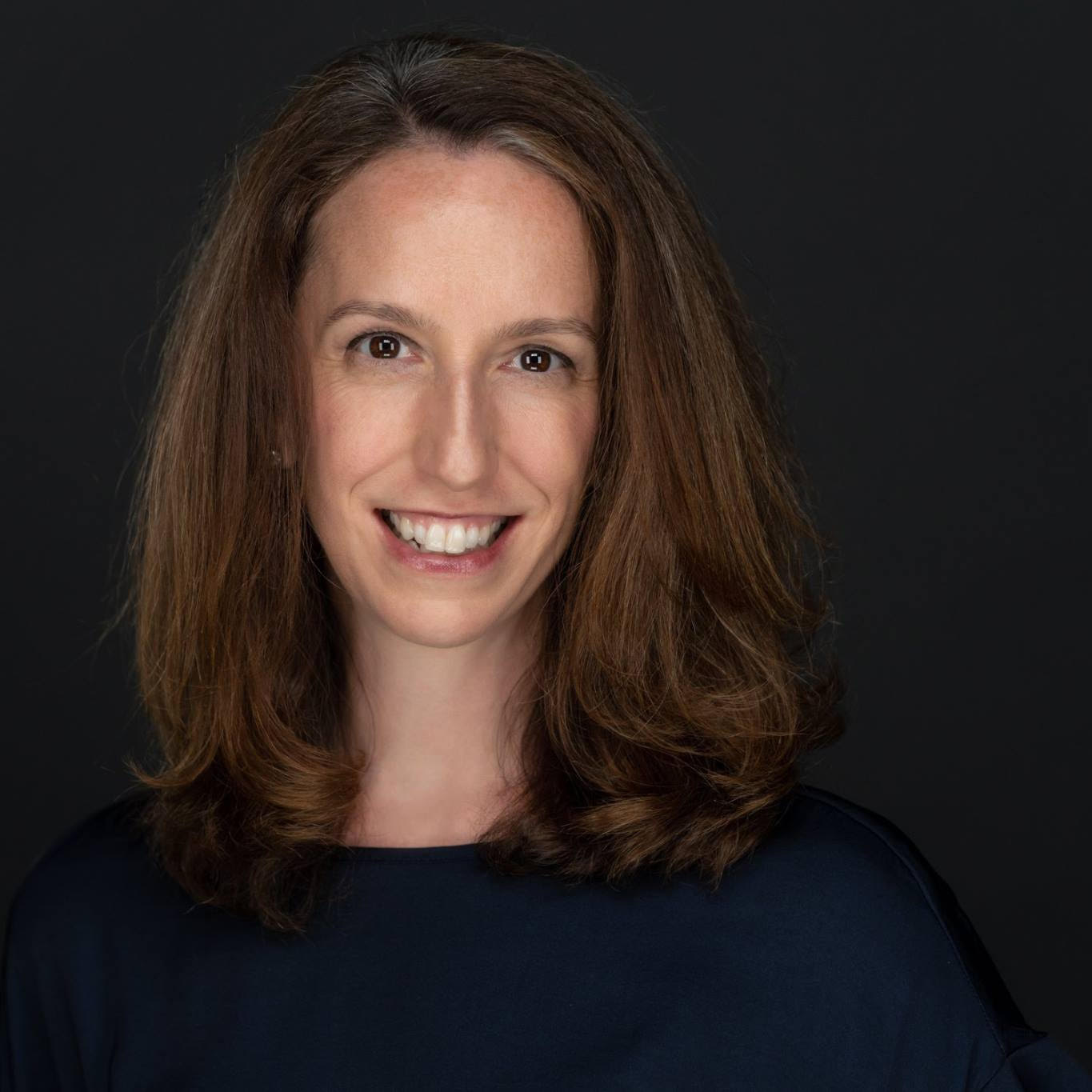
Dr. Jessica Drummond
Founder & CEO
The Integrative Women’s Health Institute
At the Integrative Women’s Health Institute, we’ve dedicated 17 years to crafting evidence-driven, cutting-edge programs that empower practitioners like you to address the complexities of women’s health.
Dr. Jessica Drummond’s unique approach focuses on functional nutrition, lifestyle medicine, movement therapies, nervous system dysregulation, trauma, and mindset – essential elements often overlooked in traditional health education.
In addition, your training will be fully evidence based, personalized, and nuanced (this is not a cookie cutter approach) in functional nutrition, exercise, recovery, cellular health, and all other lifestyle medicine tools.
You’ll learn to support your clients with cutting edge tools safely and effectively.